


Artificial Intelligence (AI) is rapidly changing how we live, work, and learn. In education, AI is helping both students and teachers improve learning and teaching experiences.
In this article, we explore the best AI tools for students and educators in 2026. These tools are selected based on their usefulness, ease of use, popularity, and how effectively they support modern education.
- ChatGPT by OpenAI
- Grammarly
- Quizizz
- Khanmigo by Khan Academy
- Notion AI
- Tome
- Canva Magic Write
- Socratic by Google
- Eduaide.AI
- Otter.ai
1. ChatGPT by OpenAI
ChatGPT is one of the most popular AI-powered learning assistant available today. It helps students with explanations, summaries, essay writing, coding assistance, and problem-solving. Teachers can use it to create lesson plans, quizzes, worksheets, and simplified explanations for difficult subjects.
It supports multiple subjects including science, mathematics, history, computer programming, and languages.
Students can use ChatGPT to brainstorm essay ideas or understand complex topics step-by-step where as teachers can use it to prepare classroom activities and teaching materials faster.

2. Grammarly
Grammarly is an AI writing assistant that helps students improve grammar, spelling, punctuation, clarity, and tone. It is useful for essays, reports, emails, and research papers. Educators can also use Grammarly to edit presentations, assignments, and classroom documents.
3. Quizizz
Quizizz is an AI-powered platform that allows teachers to create interactive quizzes, assignments, and classroom games. Students can participate during live sessions or complete quizzes at home. The platform provides instant feedback and performance tracking.
Teachers can use ready-made quizzes from the Quizizz library or customize their own for revision sessions and assessments.
4. Khanmigo by Khan Academy
Khanmigo is an another AI-powered educational assistant developed by Khan Academy. It acts like a digital tutor by helping students understand concepts in subjects such as math, science, and coding. Instead of simply giving answers, it encourages critical thinking and guides students toward solving problems independently.
5. Notion AI
Notion AI helps students organize class notes, assignments, study schedules, and project work in one place. Teachers can use it for lesson planning, curriculum organization, and classroom collaboration.

6. Tome
Tome helps students and educators create professional presentations quickly using AI. Users simply enter a topic, and Tome generates slides with text, visuals, layouts, and storytelling elements.
Students can use Tome for school projects, while teachers can create engaging visual lessons in minutes.

7. Canva Magic Write
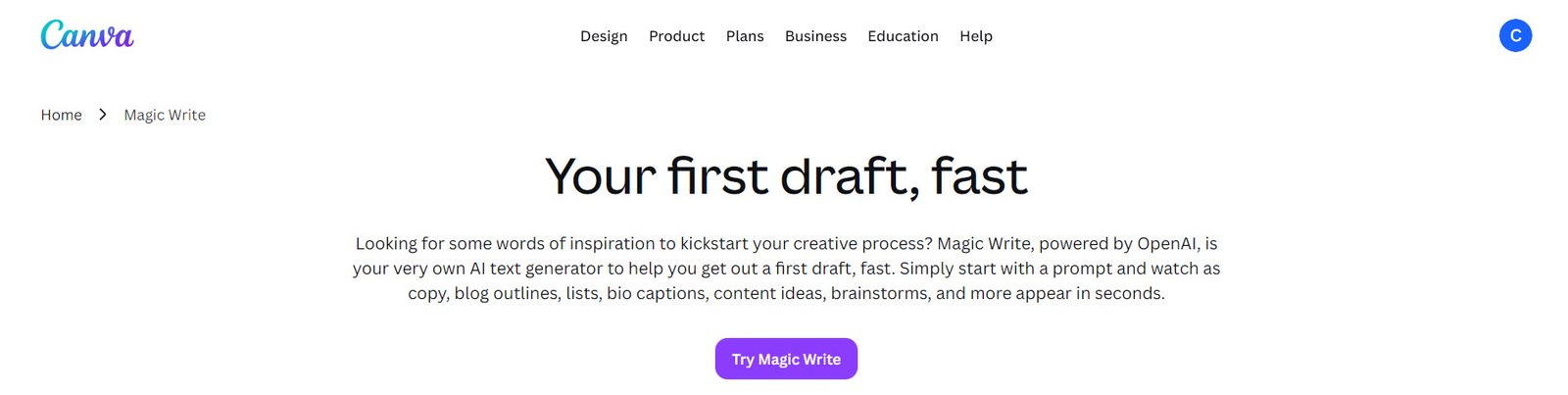
Canva’s Magic Write feature combines AI writing assistance with creative design tools. Students can design posters, presentations, and projects, while teachers can create worksheets, infographics, and classroom visuals.
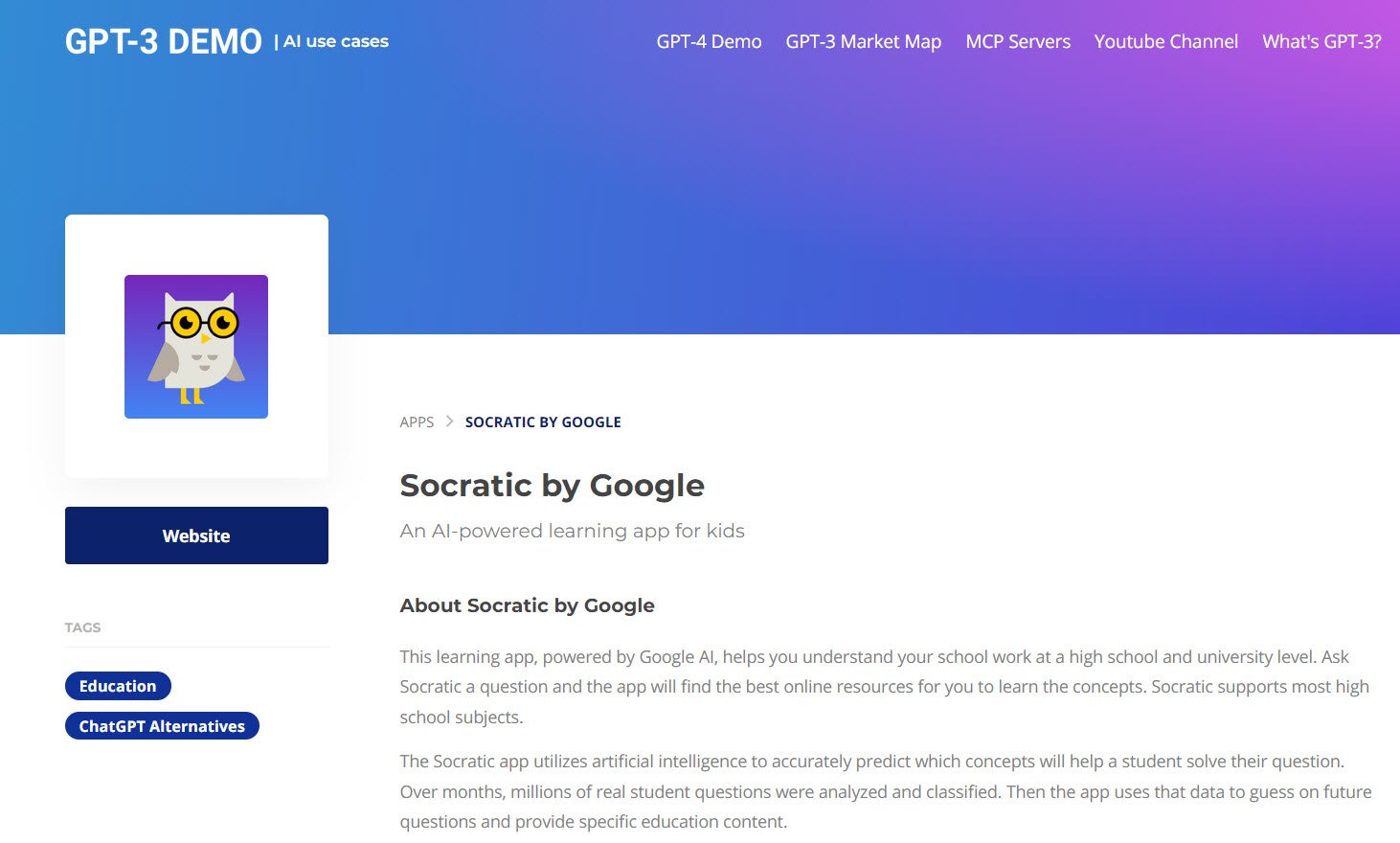
8. Socratic by Google
Socratic allows students to take photos of homework questions and receive explanations instantly. It supports subjects like math, biology, chemistry, literature, and history.
9. Eduaide.AI
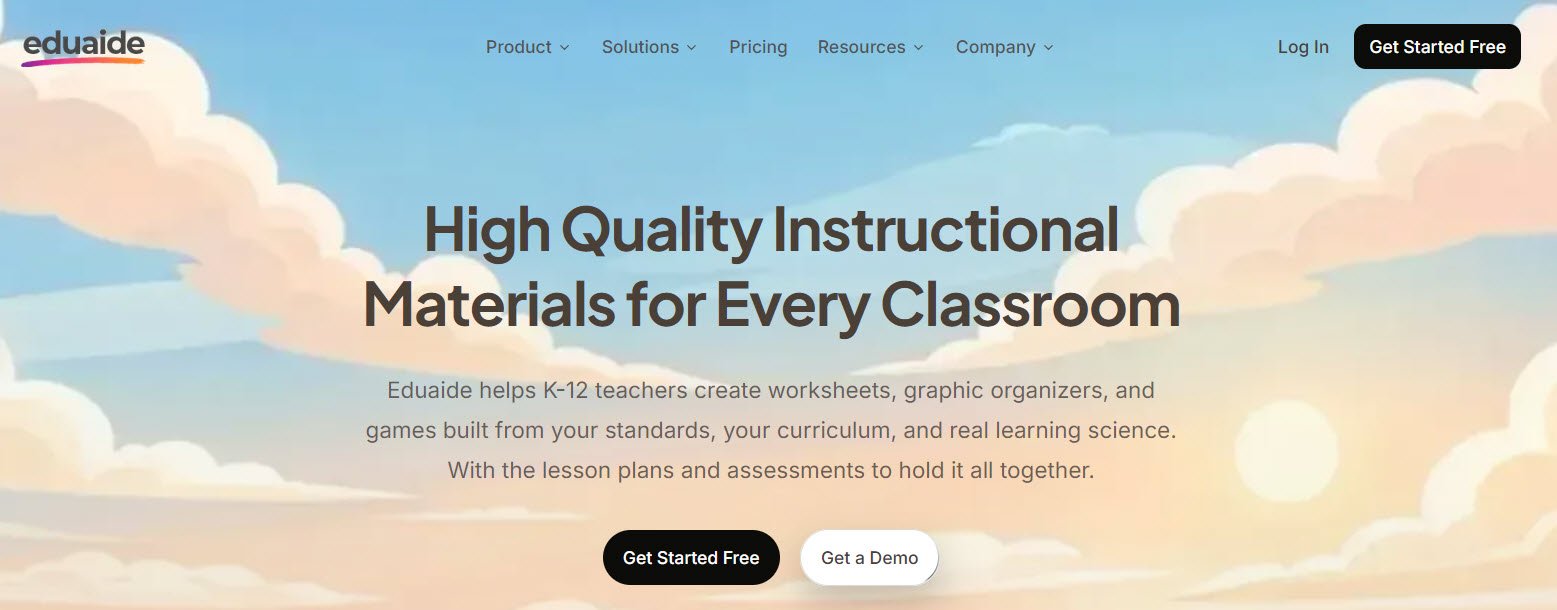
Eduaide.AI is built specifically for educators. It helps teachers generate lesson plans, worksheets, classroom activities, rubrics, and assessments quickly and efficiently.
10. Otter.ai
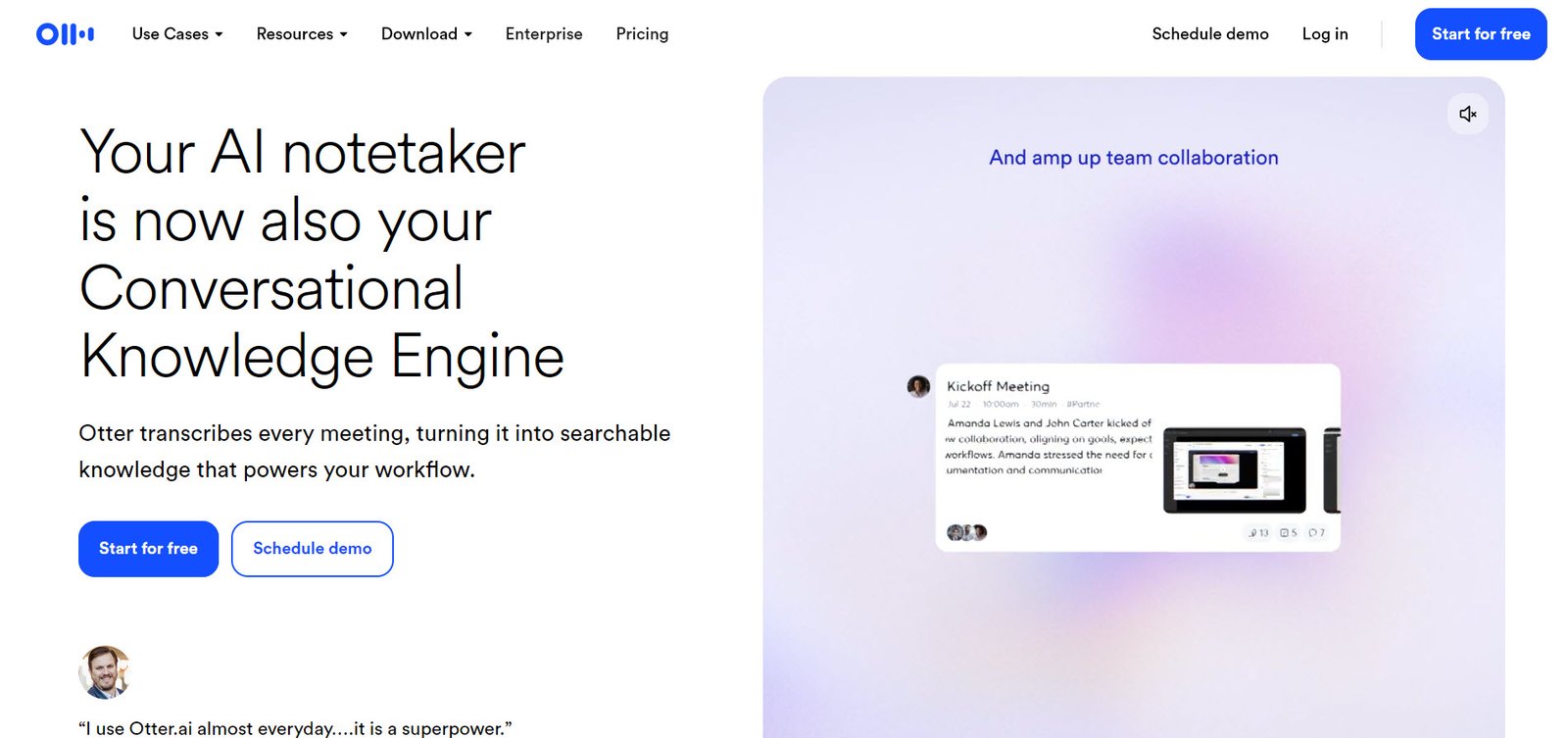
Otter.ai converts spoken lectures and meetings into written text in real time. Students can focus on listening during lectures while Otter automatically creates notes. Educators can record meetings or share lecture transcripts with students afterward.
Otter.ai is especially useful for students who prefer reviewing notes later instead of writing continuously during lectures.
The future of AI in education looks promising. In the coming years, AI tools are expected to become even more personalized, interactive, and accessible. From virtual tutors to smart classrooms, AI will continue helping educators improve teaching quality and helping students learn more effectively.
Educational institutions around the world are increasingly adopting AI technologies to improve productivity, student engagement, and academic performance.
Conclusion
AI is no longer just a technology trend, it has become a powerful companion for students and educators. The tools listed above are helping make education more efficient and engaging.