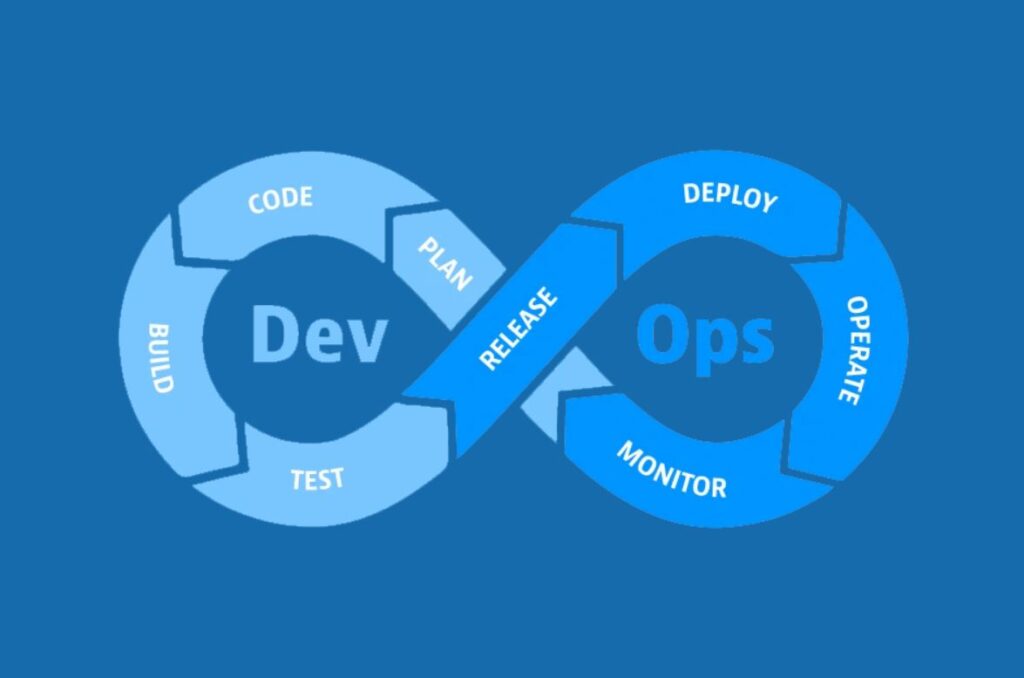

Modern software teams are expected to release updates faster than ever while maintaining quality and stability. That’s where CI/CD (Continuous Integration and Continuous Deployment) tools play a critical role.
These platforms automate code building, testing, and deployment, helping development teams reduce manual work, catch issues early, and deliver software with confidence.
Here’s a look at the top CI/CD tools shaping software delivery in 2026.
- Octopus Deploy
- GitLab CI/CD
- Argo CD
- Jenkins
- GitHub Actions
- CircleCI
- Travis CI
- Azure DevOps
- Bitbucket Pipelines
- Spinnaker
1. Octopus Deploy
Advanced Deployment Automation
Octopus Deploy is a deployment automation platform designed to simplify software releases across complex environments. It helps teams manage deployments, configuration settings, and release orchestration from a central location. One of its biggest strengths is its ability to support deployments across multi-cloud, on-premises, and hybrid infrastructures, making it a popular choice for enterprise environments.
The platform also integrates smoothly with popular CI tools such as Jenkins, GitHub Actions, and Azure DevOps, allowing teams to extend their existing workflows. Features like role-based access control and detailed audit logging add an extra layer of governance and security, especially for organizations operating in regulated industries.

2. GitLab CI/CD
All-in-One DevOps Platform
GitLab CI/CD is built directly into the GitLab platform, enabling teams to manage source code, continuous integration, and deployment workflows from a single interface. Using the .gitlab-ci.yml configuration file, developers can define entire pipelines as code and maintain them alongside their projects.
GitLab also includes Auto DevOps capabilities that simplify deployment processes for teams that are new to CI/CD.
Because source control, automation, and security features are integrated into one ecosystem, GitLab helps reduce tool sprawl and streamline collaboration across development and operations teams.
3. Argo CD
Kubernetes-Native GitOps Deployment
Argo CD is a GitOps-based continuous delivery tool created specifically for Kubernetes environments. It continuously compares the live state of applications running in a cluster with the desired state stored in Git repositories, helping teams maintain consistency across deployments.
The platform includes visual dashboards that provide insights into application status and synchronization health, making it easier to monitor deployments. Argo CD also works seamlessly with Kubernetes tools such as Helm and Kustomize, making it a strong choice for organizations building and managing cloud-native applications.
4. Jenkins
Highly Customizable Open-Source CI Server
Jenkins is one of the most established CI/CD tools in the DevOps ecosystem. As an open-source automation server, it helps development teams automate building, testing, and deploying applications across a wide range of environments. Its flexibility has made it a popular choice for organizations that want complete control over their automation pipelines.
What sets Jenkins apart is its extensive plugin ecosystem, which allows teams to integrate with thousands of development, testing, and deployment tools. Because it is open source, organizations can customize workflows to match specific requirements without being tied to a vendor ecosystem.
Combined with strong community support and years of industry adoption, Jenkins remains a reliable option for teams that value flexibility and customization.
5. GitHub Actions
CI/CD Built Directly into GitHub
GitHub Actions is GitHub’s native automation platform that enables developers to build, test, and deploy applications without leaving their repositories. Workflows are defined using simple YAML files, making it easy to automate repetitive development tasks and create efficient CI/CD pipelines.
One of the biggest advantages of GitHub Actions is its seamless integration with the GitHub ecosystem. Developers can access a large marketplace of reusable actions and workflows to accelerate automation setup.
This close integration simplifies collaboration, reduces context switching, and helps teams automate software delivery directly from their source code repositories.

6. CircleCI
Fast and Scalable CI/CD in the Cloud
CircleCI is a cloud-based CI/CD platform designed to help development teams automate their build, test, and deployment processes. It supports a variety of environments, including Docker, Linux, macOS, and Windows, making it suitable for teams working across different technology stacks. Its focus on speed and efficiency has made it a popular choice for organizations looking to accelerate software delivery without sacrificing reliability.
A key advantage of CircleCI is its ability to improve pipeline performance through parallel execution and intelligent caching. These capabilities help reduce build times and enable teams to receive feedback faster during development.
The platform also provides built-in insights and test optimization features that help identify bottlenecks and improve workflow efficiency. With its cloud-native approach and scalability, CircleCI is well suited for teams that need fast, dependable automation as their projects grow.
7. Travis CI
Simple CI/CD for Open-Source Projects and Small Teams
Travis CI is a cloud-based continuous integration platform that helps developers automate testing and deployment directly from their code repositories. Known for its straightforward setup and ease of use, it became one of the earliest CI/CD tools to make cloud-based automation accessible to developers and open-source communities.
The platform supports integration with GitHub and Bitbucket repositories and works with a wide variety of programming languages and runtimes. Its simple configuration structure allows teams to get CI/CD pipelines running quickly without extensive setup or maintenance.
This ease of adoption makes Travis CI an attractive option for smaller development teams, startups, and open-source maintainers who need reliable automation without the complexity of larger enterprise platforms.
8. Azure DevOps
Microsoft’s End-to-End DevOps Platform
Azure DevOps is Microsoft’s comprehensive DevOps solution that combines source control, CI/CD pipelines, project management, and testing tools within a single platform. Designed to support teams of all sizes, it helps organizations manage the entire software development lifecycle while maintaining visibility and control over projects.
One of the platform’s biggest strengths is its seamless integration with Microsoft technologies and Azure cloud services. Teams can create and manage pipelines using either YAML configurations or visual editors, depending on their preferred workflow.
Azure DevOps also includes governance, compliance, and security capabilities that are particularly valuable for larger organizations operating in regulated environments. By bringing development, deployment, and collaboration tools together, it provides a streamlined experience for enterprise software delivery.
9. Bitbucket Pipelines
Native CI/CD for Bitbucket Repositories
Bitbucket Pipelines is Atlassian’s built-in CI/CD solution that enables teams to automate builds, tests, and deployments directly from Bitbucket repositories. Because it is integrated into the Bitbucket platform, teams can manage source control and automation workflows from a single location without relying on separate tools.
The platform offers built-in Docker support and uses YAML-based configuration files to define and manage pipelines. It also integrates closely with Jira, providing better visibility between development activity and project tracking.
For teams already invested in the Atlassian ecosystem, Bitbucket Pipelines offers a convenient way to automate software delivery while maintaining traceability across development and project management workflows.
10. Spinnaker
Multi-Cloud Continuous Delivery Platform
Spinnaker is a continuous delivery platform focused on deployment automation and release management across complex infrastructure environments. It is designed to help organizations manage application releases at scale while supporting advanced deployment strategies and multi-cloud operations.
What makes Spinnaker stand out is its support for deployments across platforms such as AWS, Google Cloud, Azure, and Kubernetes. It also integrates with widely used tools such as Jenkins, Git, and Docker, allowing teams to fit it into existing DevOps workflows.
The platform includes a visual interface for managing deployment pipelines and supports sophisticated release approaches such as canary, blue-green, and rolling deployments. These capabilities make it particularly useful for organizations that need greater control over how applications are released across multiple environments.