
Cybersecurity continues to be one of the biggest priorities for IT teams as organizations face increasingly sophisticated cyber threats, ransomware attacks, and data breaches. To stay protected, security professionals rely on a combination of tools that help detect vulnerabilities, monitor networks, secure endpoints, and respond quickly to incidents.
Here are 10 cybersecurity tools that remain valuable for IT professionals in 2026.
- CrowdStrike Falcon
- Bitdefender GravityZone
- Snort
- Wireshark
- Nessus
- Metasploit
- SolarWinds Security Event Manager
- Splunk Enterprise Security
- LastPass and 1Password
- OpenVAS
1. CrowdStrike Falcon
- Category: Endpoint Protection & Threat Intelligence
- Best For: Enterprises and large organizations
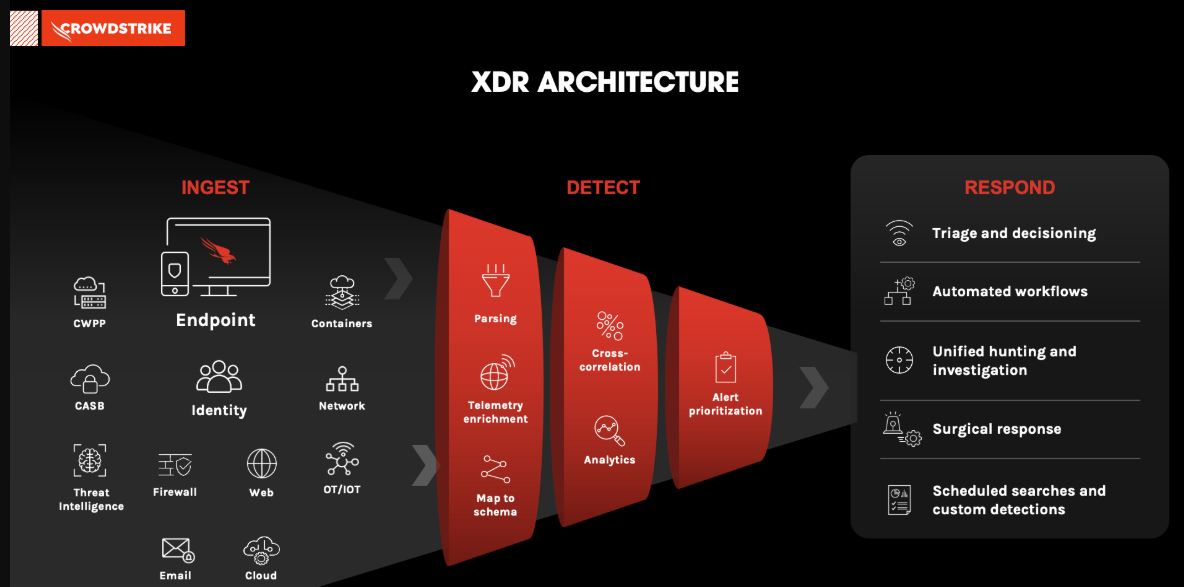
CrowdStrike Falcon is a cloud-native cybersecurity platform designed to protect endpoints from malware, ransomware, and advanced cyber threats. It combines threat intelligence with real-time monitoring to help security teams quickly identify and respond to suspicious activity.
CrowdStrike Falcon is known for its fast deployment process, strong threat visibility, and minimal impact on device performance. Its AI-driven approach helps security teams detect both known and emerging threats more effectively.
2. Bitdefender GravityZone
- Category: Antivirus & Endpoint Security
- Best For: Small and medium-sized businesses
Bitdefender GravityZone is an endpoint security platform that helps protect systems against malware, ransomware, and phishing attacks. It also includes management and security controls that make it easier for IT administrators to secure devices across an organization.
The platform provides strong security without placing heavy demands on system resources. Its behavior-based threat detection makes it a practical choice for organizations looking for reliable endpoint protection.

3. Snort
- Category: Intrusion Detection System (IDS)
- Best For: Network security analysts
Snort is a widely used open-source intrusion detection tool developed by Cisco. It monitors network traffic in real time and alerts administrators when suspicious or malicious behavior is detected.
Snort offers powerful intrusion detection capabilities without licensing costs. Its customization options allow security teams to create rules tailored to their specific environments.

4. Wireshark
- Category: Network Protocol Analyzer
- Best For: Network engineers and security analysts
Wireshark is an open-source packet analysis tool that helps professionals examine network traffic in detail. It is commonly used for troubleshooting, network monitoring, and security investigations.
Wireshark provides unmatched visibility into network communications, making it an essential tool for diagnosing issues and understanding how data moves through a network.

5. Nessus
- Category: Vulnerability Scanner
- Best For: Security teams and auditors
Nessus is a well-known vulnerability assessment tool that helps identify security weaknesses across systems, applications, and network devices. It is widely used for security audits and ongoing risk management.
Nessus is valued for its accuracy, speed, and frequent updates. It helps organizations proactively identify vulnerabilities before they can be exploited.

6. Metasploit
- Category: Penetration Testing Tool
- Best For: Ethical hackers and security testers
Metasploit is one of the most popular penetration testing frameworks available. It enables security professionals to simulate real-world attacks and evaluate how effectively their defenses can withstand them.
Metasploit helps teams uncover weaknesses before attackers do. Its flexible testing capabilities make it a valuable part of many security assessment processes.

7. SolarWinds Security Event Manager
- Category: Security Information and Event Management (SIEM)
- Best For: IT security monitoring
SolarWinds Security Event Manager centralizes security logs and helps teams monitor events across their infrastructure. It is designed to improve threat visibility and streamline incident response.
The platform offers SIEM capabilities in a package that is generally easier to deploy and manage than many traditional enterprise solutions.

8. Splunk Enterprise Security
- Category: Advanced SIEM Platform
- Best For: Large enterprises and SOC teams
Splunk Enterprise Security helps organizations collect, analyze, and correlate security data from across their IT environments. Its analytics capabilities make it a powerful tool for threat detection and investigation.
Splunk provides deep visibility into complex infrastructures and helps security teams identify patterns that may indicate security threats.
9. LastPass and 1Password
- Category: Password Management
- Best For: Individuals and teams
Password managers such as LastPass and 1Password help users securely store, organize, and manage login credentials. Strong password hygiene remains a critical part of cybersecurity, and these tools simplify that process.
These tools reduce the risks associated with weak or reused passwords while making credential management more convenient for users and organizations.

10. OpenVAS
- Category: Vulnerability Assessment
- Best For: Open-source security teams
OpenVAS is a free and open-source vulnerability scanning tool that helps identify known security weaknesses across systems and networks. It is often used as an alternative to commercial vulnerability scanners.
OpenVAS provides robust vulnerability assessment capabilities without licensing costs, making it especially attractive for smaller organizations and independent security professionals.

Conclusion
As cyber threats continue to evolve, IT professionals need a layered security strategy supported by the right tools.
No single tool can provide complete protection on its own. The most effective cybersecurity approach combines multiple technologies, regular updates, continuous monitoring, and ongoing security awareness. By choosing the right mix of tools, organizations can better detect threats, reduce risks, and respond more effectively in 2026 and beyond.