

Organizations adopting DevOps need reliable tools to automate development, testing, deployment, monitoring, and infrastructure management. Manual processes can slow down software delivery, increase operational costs, and create unnecessary complexity as applications scale.
Open-source DevOps tools provide a cost-effective way to streamline workflows while improving collaboration, automation, and operational efficiency. From continuous integration and container management to infrastructure provisioning and monitoring, these tools help teams deliver software faster and more reliably.
This guide covers seven widely used open-source DevOps tools that can help organizations reduce costs while supporting modern software development practices.
Why Open-Source DevOps Tools Matter
A well-designed DevOps toolchain enables teams to automate repetitive tasks and improve consistency throughout the software development lifecycle.
Key benefits include:
- Faster software delivery
- Reduced operational overhead
- Improved application quality and stability
- Better collaboration between development and operations teams
- Earlier detection of issues and defects
- Increased scalability and infrastructure efficiency
By leveraging open-source technologies, organizations can build powerful DevOps environments without the licensing costs often associated with proprietary solutions.
1. Jenkins
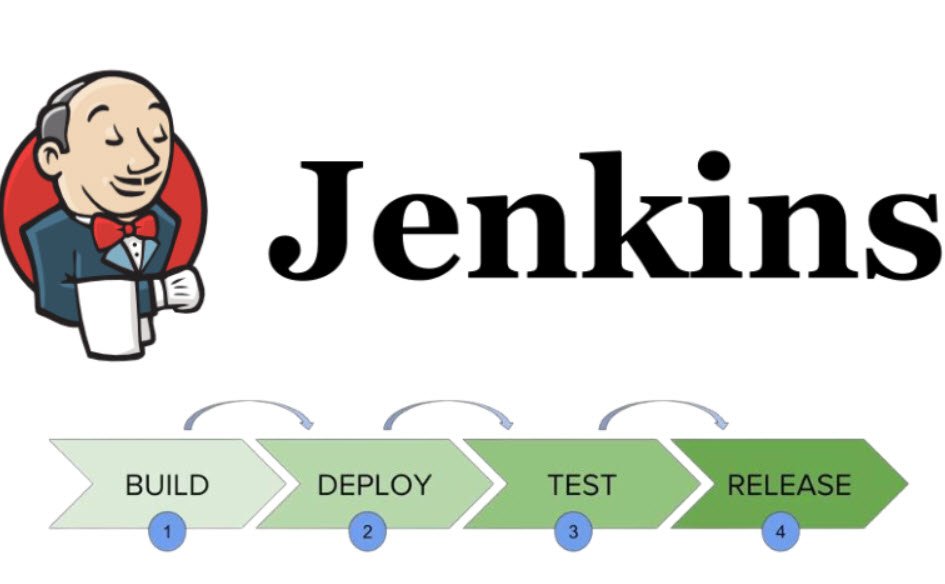
Jenkins is one of the most recognized open-source continuous integration (CI) servers. It helps automate critical stages of the software delivery pipeline, including building applications, generating documentation, running automated tests, packaging software, and performing static code analysis.
Development teams frequently use Jenkins to automate workflows triggered by code changes in repositories such as GitHub, GitLab, and Bitbucket.
2. Docker
Docker is an open platform designed for building, delivering, and running applications in containers. Containers package applications and their dependencies together, allowing software to run consistently across different environments.
By separating applications from the underlying infrastructure, Docker simplifies deployment processes and helps organizations accelerate software delivery.
3. Kubernetes
Kubernetes has become the industry standard for managing large-scale containerized applications. Originally developed by Google engineers in 2014 and later released as an open-source project, it is now supported by a broad ecosystem that includes major cloud providers.
The platform helps organizations automate the deployment, scaling, and management of containerized workloads across both cloud and on-premises environments.
4. Ansible
Ansible is an open-source configuration management and automation tool that helps organizations define infrastructure through code. It simplifies infrastructure provisioning and reduces the complexity of managing growing environments.
Whether managing a small configuration change or coordinating complex infrastructure deployments, Ansible provides a flexible approach to automation.

5. Terraform
Terraform is an Infrastructure as Code (IaC) tool developed by HashiCorp and written in Go. It allows DevOps teams to define, provision, and manage infrastructure using code rather than manual processes.
One of Terraform’s major strengths is its cloud-agnostic design. Organizations can manage resources across multiple cloud providers, including AWS and Azure, using a single workflow.

6. Prometheus
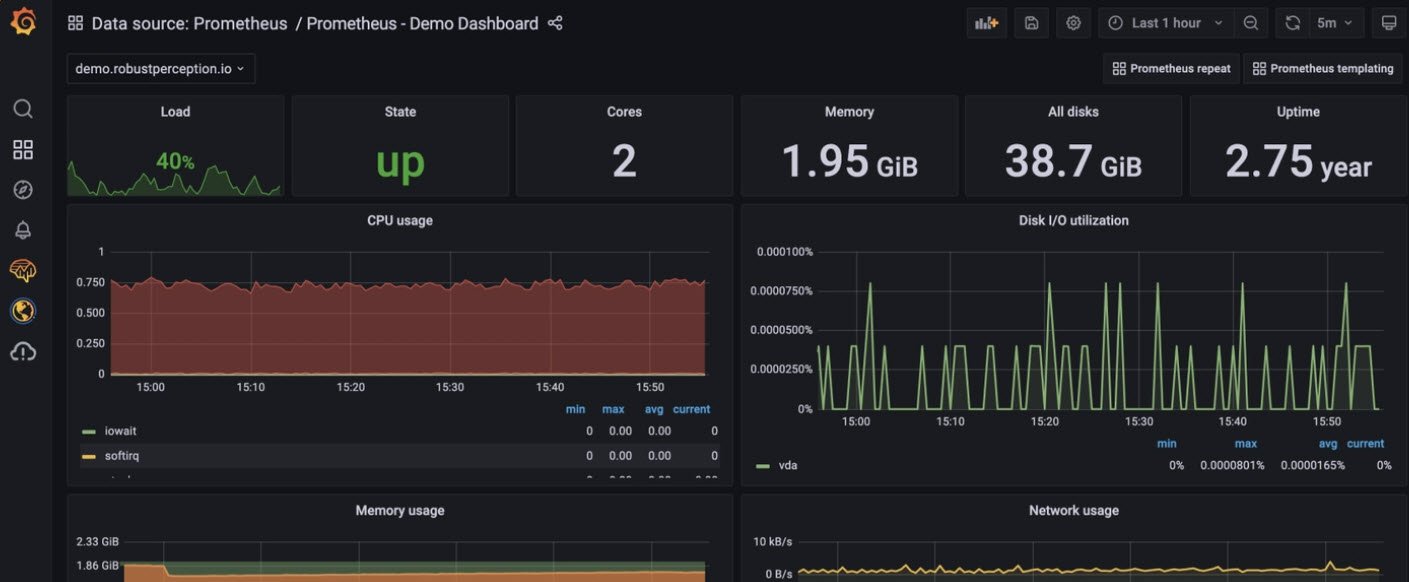
Prometheus is a monitoring and alerting platform commonly used in cloud-native environments and Kubernetes deployments. It collects metrics and stores them as time-series data, enabling teams to monitor system health and application performance.
Originally created by SoundCloud in 2012, Prometheus has grown into one of the most widely adopted monitoring solutions in the cloud-native ecosystem. It joined the Cloud Native Computing Foundation (CNCF) in 2016 and later became a graduated CNCF project.
7. Git
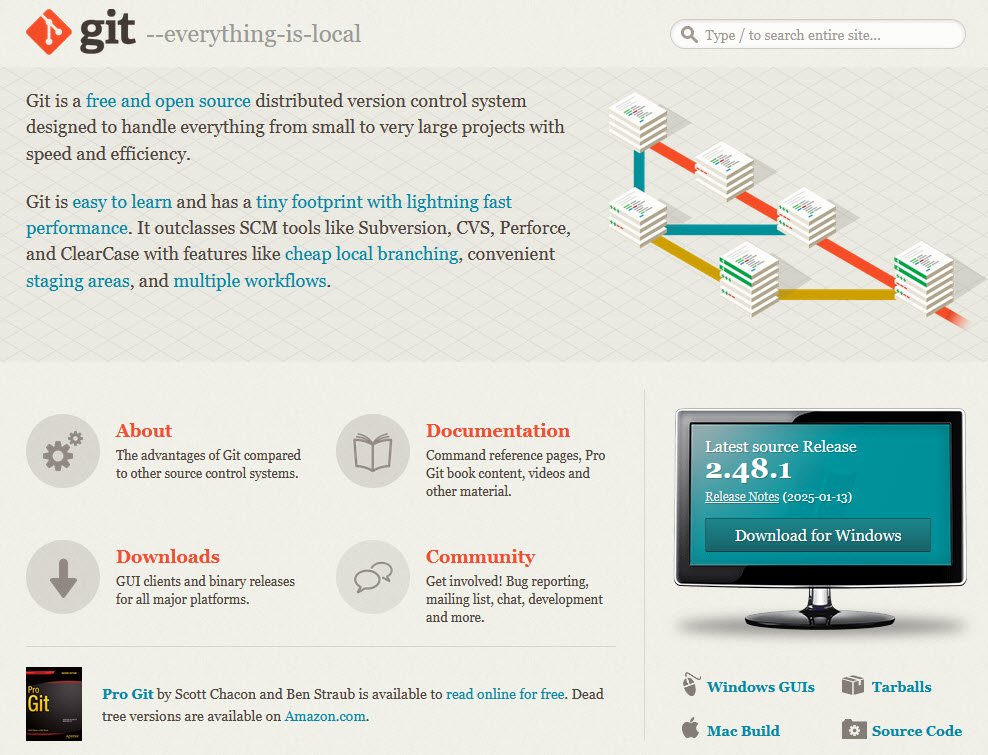
Git is a distributed version control system created by Linus Torvalds in 2005 for Linux kernel development. Today, it is one of the most widely used tools in software development and an essential component of modern DevOps practices.
Git allows developers to track code changes, maintain multiple development branches, and merge updates efficiently while preserving project history.
Conclusion
Successful DevOps initiatives depend on the right combination of tools, processes, and collaboration. Open-source DevOps tools make it possible for organizations to automate software delivery, manage infrastructure efficiently, monitor application performance, and maintain code quality without significant licensing costs.
By integrating above mentioned tools into a unified workflow, organizations can reduce operational expenses, improve reliability, and deliver software faster while maintaining control over increasingly complex infrastructure.