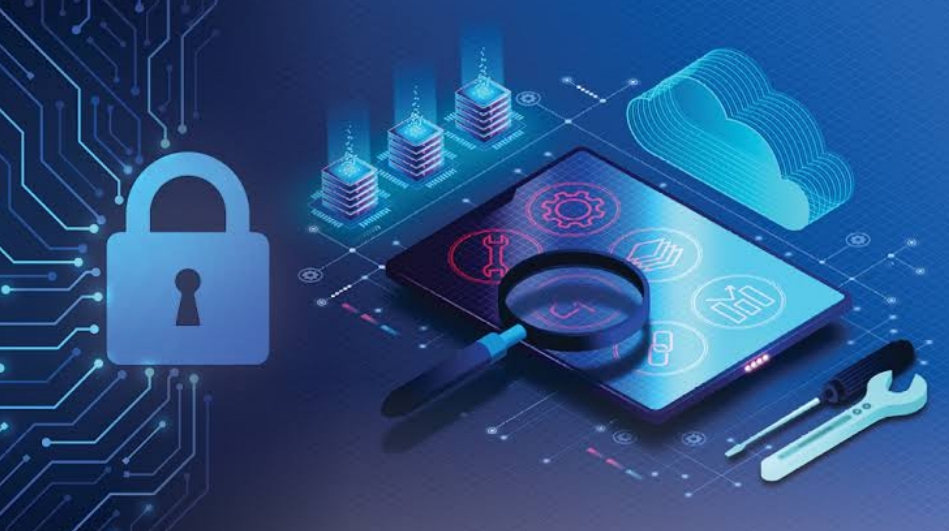

As technology grows and changes, so do the threats that come with it. Cybercrime is becoming smarter and more advanced, making it necessary for organizations, governments, and individuals to stay one step ahead. To protect sensitive data and systems, cybersecurity tools are constantly evolving.
In this article, we will explore some of the most promising cybersecurity tools that are expected to become even more important in the coming years.
- Extended Detection and Response (XDR) Platforms
- Zero Trust Security Platforms
- Cloud-Native Application Protection Platforms (CNAPP)
- AI-Powered Threat Detection Tools
- Passwordless Authentication Tools
- Security Information and Event Management (SIEM) Solutions
- Data Loss Prevention (DLP) Tools
- Security Orchestration, Automation, and Response (SOAR)
1. Extended Detection and Response (XDR) Platforms
XDR is an upgraded version of traditional detection tools like antivirus and endpoint protection. It combines data from various security layers — such as email, servers, networks, and endpoints — to provide a clearer view of security threats.
Instead of checking for problems in each system separately, XDR connects the dots to detect threats faster and more accurately. It can reduce false alarms and help security teams respond to real issues more efficiently.
Popular examples:
- Trend Micro XDR
- Palo Alto Cortex XDR
- Microsoft Defender XDR
2. Zero Trust Security Platforms
Zero Trust is a security model based on the idea that no one — inside or outside the organization — should be trusted automatically. Every user and device must be verified before gaining access to systems or data. With remote work and cloud services becoming more common, the traditional “trust but verify” approach no longer works. Zero Trust helps prevent unauthorized access, even if hackers get past initial defenses.
Popular examples:
- Zscaler Zero Trust Exchange
- Google BeyondCorp
- Cisco Zero Trust
3. Cloud-Native Application Protection Platforms (CNAPP)
CNAPPs are tools that help protect applications that run in the cloud. They combine various functions like workload protection, vulnerability scanning, and compliance monitoring in one place. As more companies move their operations to the cloud, the need for tools that can protect cloud-based apps becomes critical. CNAPPs offer a full view of security risks in cloud environments.
Popular examples:
- Wiz
- Prisma Cloud by Palo Alto Networks
- Orca Security
4. AI-Powered Threat Detection Tools
Artificial Intelligence (AI) is being used to create smarter cybersecurity systems that can analyze data, detect patterns, and find threats faster than humans can. Cyberattacks happen quickly, and AI tools can react in real-time. These tools can also learn over time, making them better at predicting and preventing future attacks.
Popular examples:
- Darktrace
- Vectra AI
- IBM QRadar
5. Passwordless Authentication Tools
These tools allow users to log into systems without using traditional passwords. Instead, they use methods like biometrics (fingerprints, face scans), hardware tokens, or one-time codes sent to a device. Passwords are often the weakest link in security. People tend to reuse them or create easy-to-guess ones. Passwordless tools reduce this risk and make access both safer and more convenient.
Popular examples:
- Microsoft Authenticator
- Okta FastPass
- YubiKey by Yubico
6. Security Information and Event Management (SIEM) Solutions
SIEM tools collect and analyze security data from across an organization’s IT systems. They help in monitoring, detecting, and responding to security incidents. With so many devices and systems in use, tracking them all manually is almost impossible. SIEM solutions bring everything together and provide alerts in case of suspicious activity.
Popular examples:
- Splunk
- IBM QRadar
- LogRhythm
7. Data Loss Prevention (DLP) Tools
DLP tools monitor and control data movement to prevent accidental or intentional leaks of sensitive information. They can block unauthorized sharing of files, emails, or even printed documents.
Data is often an organization’s most valuable asset. DLP tools help protect data from getting into the wrong hands — whether through mistakes or malicious actions.
Popular examples:
- Symantec DLP
- Digital Guardian
- Forcepoint DLP
8. Security Orchestration, Automation, and Response (SOAR)
SOAR platforms help security teams by automating routine tasks like threat investigation, data collection, and response actions. They also help manage alerts more effectively. Security teams often face too many alerts and not enough time. SOAR tools allow them to work faster and focus on serious threats rather than getting overwhelmed.
Popular examples:
- Palo Alto Cortex XSOAR
- IBM Resilient
- Splunk SOAR
Final Thoughts
Cybersecurity is no longer just about installing antivirus software or using strong passwords. As cyber threats become more advanced, we need smarter tools to stay safe. The tools listed above are just some of the innovations shaping the future of cybersecurity.
If you’re a business owner, IT manager, or just someone who values privacy, staying updated with these tools can make a big difference. Cybersecurity is a moving target, but with the right tools and awareness, we can all be better prepared for what lies ahead.