

In today’s digital world, cybersecurity is not just about keeping hackers out. It’s also about meeting legal requirements and managing risks to protect your organization’s data, reputation, and finances. Governments and industry bodies have introduced regulations like GDPR, HIPAA, and ISO/IEC 27001 to make sure companies follow good security practices.
To meet these rules and keep risks under control, organizations use a range of cybersecurity tools. In this article, we’ll look at some of the top tools that help with compliance and risk management.
- Security Information and Event Management (SIEM) Tools
- Governance, Risk, and Compliance (GRC) Platforms
- Vulnerability Management Tools
- Data Loss Prevention (DLP) Tools
- Endpoint Detection and Response (EDR) Tools
- Identity and Access Management (IAM) Solutions
- Cloud Security Posture Management (CSPM) Tools
- Encryption and Key Management Tools
1. Security Information and Event Management (SIEM) Tools
Examples: Splunk, IBM QRadar, LogRhythm, SolarWinds SEM
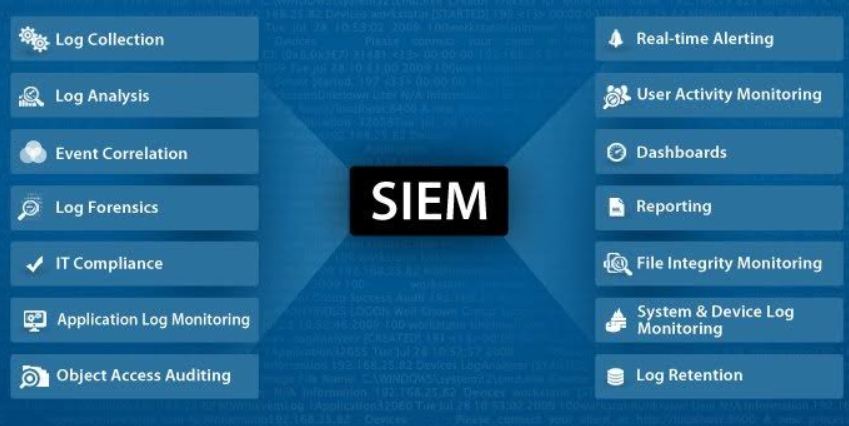
SIEM tools collect and analyze security data from across an organization’s systems. They monitor logs from firewalls, servers, endpoints, and other devices to detect unusual behavior or threats. These tools are essential for both compliance and risk management because they offer:
- Real-time threat detection
- Alerts for suspicious activity
- Reports for audits and compliance
Most compliance standards, including PCI DSS and SOX, require organizations to monitor and record their IT systems. SIEM tools make this easier by automating much of the process and keeping logs secure and organized.
2. Governance, Risk, and Compliance (GRC) Platforms
Examples: RSA Archer, MetricStream, LogicGate, ServiceNow GRC
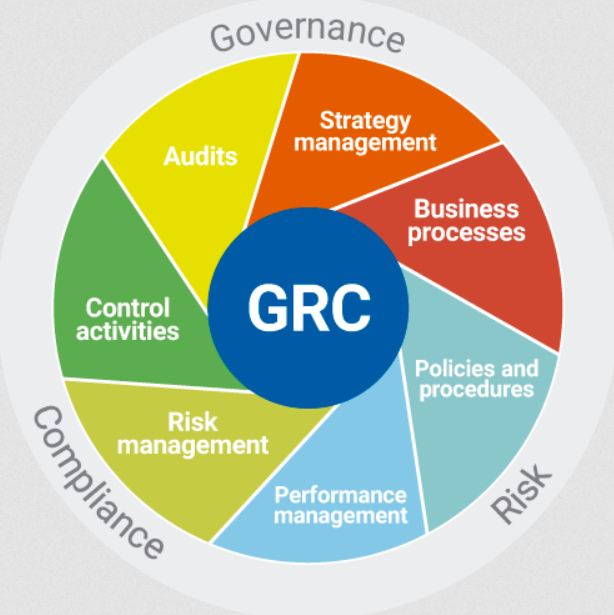
GRC tools are designed to manage risk and ensure that companies follow internal policies and external regulations. They bring together risk assessment, compliance tracking, and policy management in one platform. Key features include:
- Risk registers and scoring
- Compliance checklists
- Workflow automation
- Audit trails
With a GRC platform, companies can see which risks they face, how they’re being handled, and whether they’re meeting regulatory requirements. These platforms are especially helpful for larger organizations with complex operations.
3. Vulnerability Management Tools
Examples: Tenable Nessus, Qualys, Rapid7 InsightVM
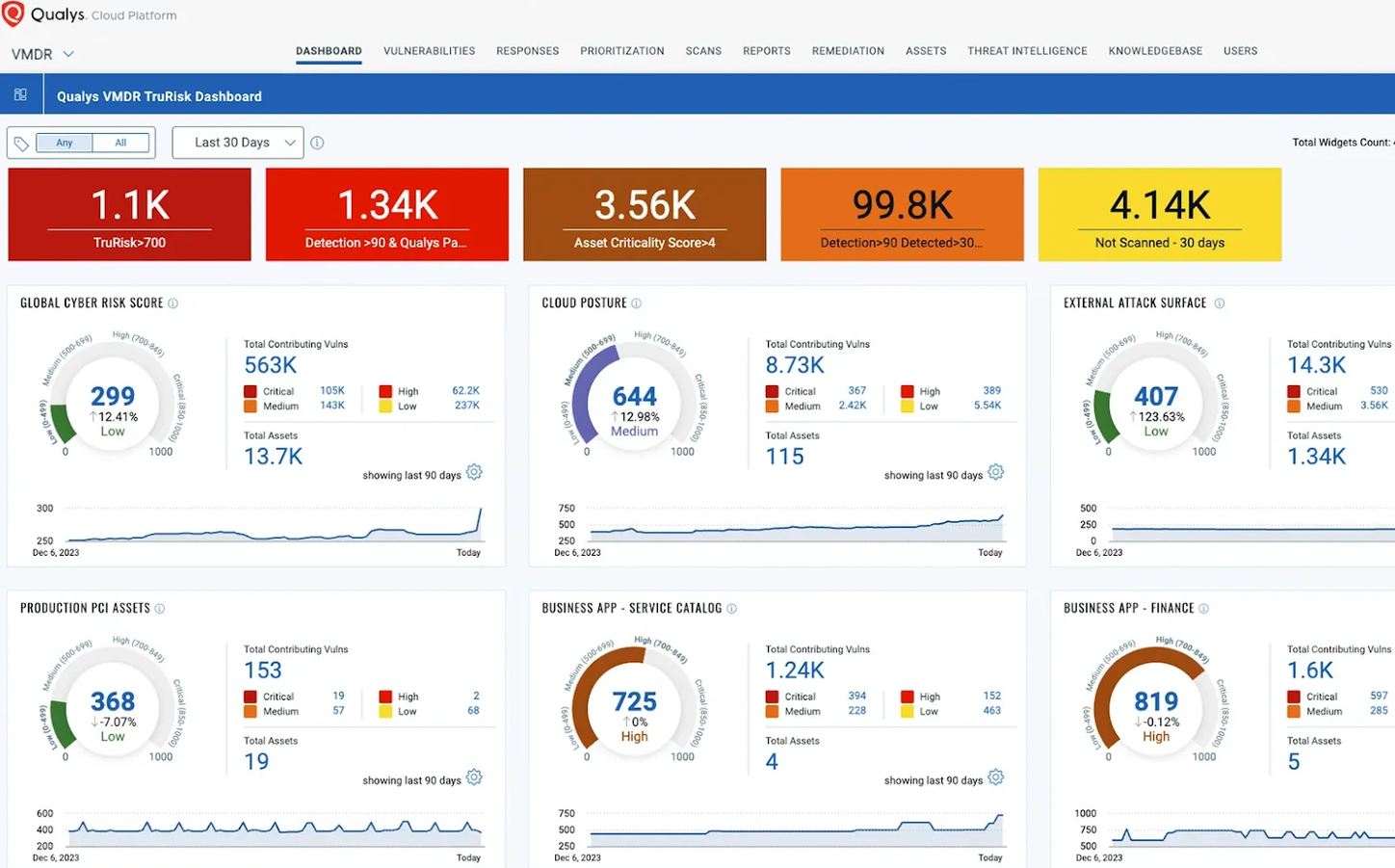
Vulnerability management tools scan your systems for known weaknesses, such as outdated software, misconfigurations, or missing patches. Once a vulnerability is identified, these tools rank the severity and suggest ways to fix it.
This process is critical for managing security risks. Many data breaches happen because of unpatched systems. Tools like Nessus or Qualys help companies stay ahead by keeping their systems secure and compliant with standards that require regular vulnerability assessments.
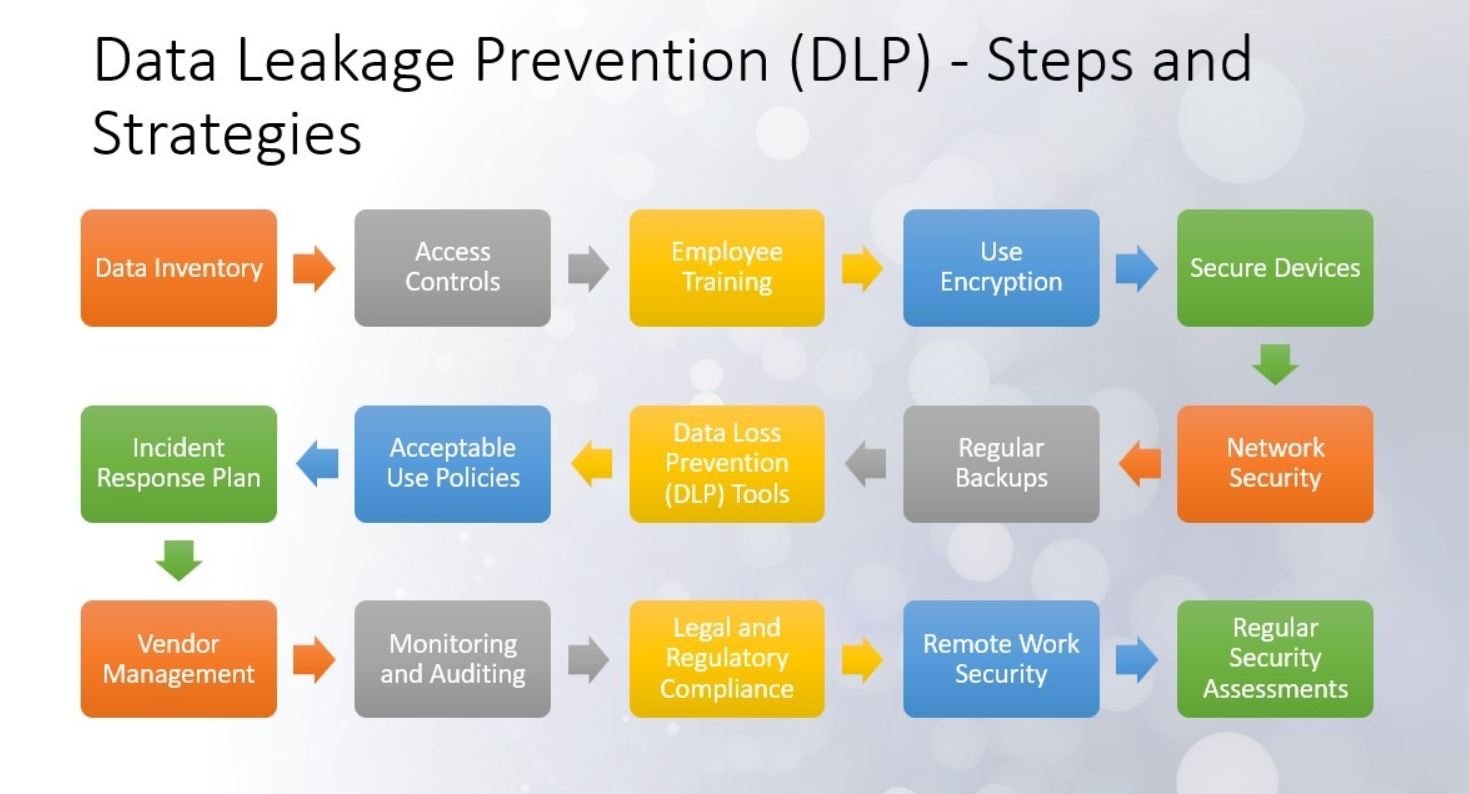
4. Data Loss Prevention (DLP) Tools
Examples: Symantec DLP, Forcepoint, Microsoft Purview
Data Loss Prevention tools help prevent sensitive information from leaving your organization, whether by accident or on purpose. DLP tools monitor emails, file transfers, cloud storage, and even USB drives.
They are especially important for meeting regulations like GDPR and HIPAA, which require the protection of personal and health data. Features typically include:
- Detection of sensitive data (e.g., credit card numbers, SSNs)
- Blocking or warning of unauthorized data transfers
- Encryption and access controls
DLP tools help you enforce data policies and reduce the risk of leaks or compliance failures.
5. Endpoint Detection and Response (EDR) Tools
Examples: CrowdStrike Falcon, SentinelOne, Microsoft Defender for Endpoint
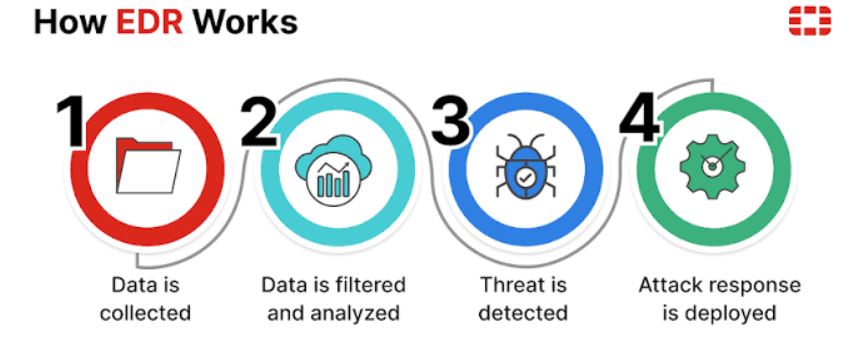
Endpoints such as laptops and smartphones are often targeted in cyberattacks. EDR tools monitor these devices for threats, record activity, and can respond automatically to suspicious behavior.
For compliance, EDR solutions help demonstrate that an organization has controls in place to detect and respond to threats. For risk management, they lower the chance that a breach goes unnoticed. They also offer features such as:
- Behavioral analysis
- Threat intelligence integration
- Real-time alerts and automatic response
Some advanced EDR tools even work with SIEM systems to provide broader threat visibility.
6. Identity and Access Management (IAM) Solutions
Examples: Okta, Microsoft Entra ID (formerly Azure AD), Ping Identity
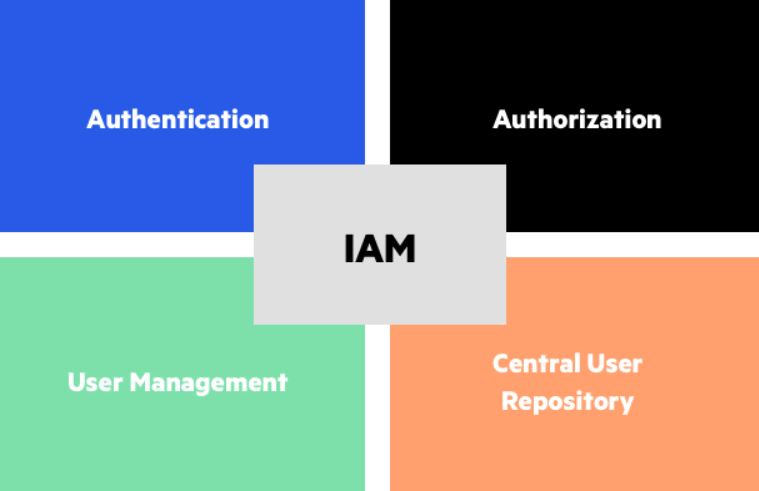
Controlling who can access what within an organization is a key part of both cybersecurity and compliance. IAM tools ensure that only authorized users can access sensitive systems and data.
They offer:
- Single sign-on (SSO)
- Multi-factor authentication (MFA)
- Role-based access control
- User activity logging
Regulations like HIPAA and GDPR require strict access controls. IAM tools help enforce these rules while making it easier for employees to do their jobs securely.
7. Cloud Security Posture Management (CSPM) Tools
Examples: Prisma Cloud, Wiz, Check Point CloudGuard
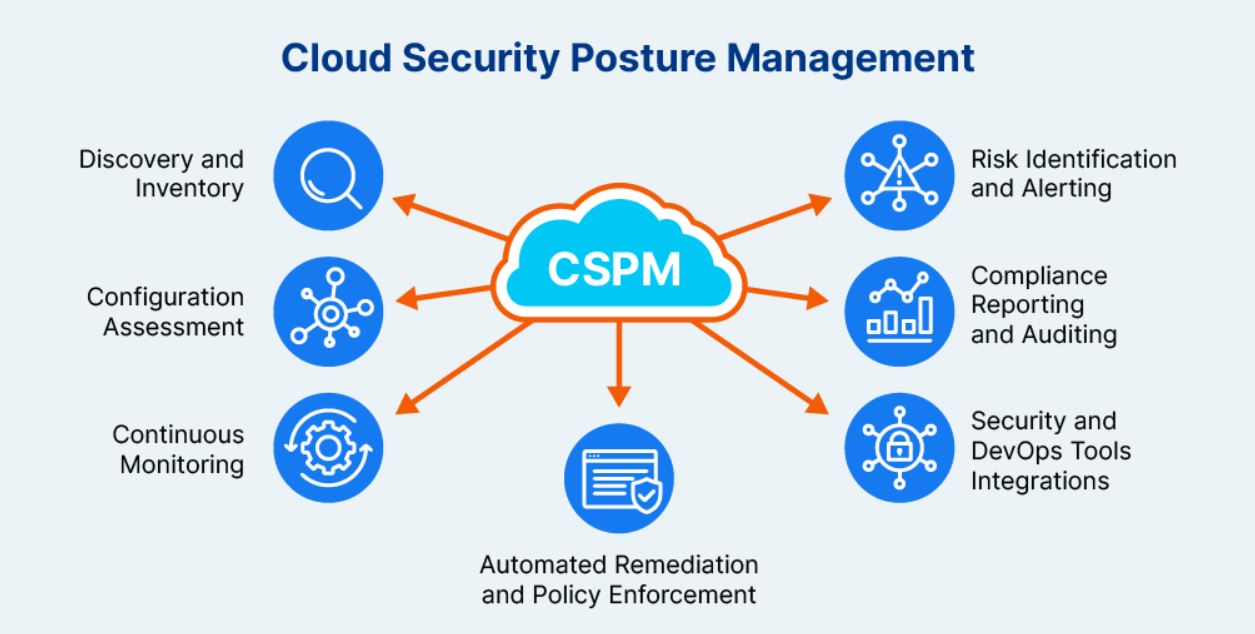
As more companies move to the cloud, ensuring that cloud settings are secure and compliant has become vital. CSPM tools analyze cloud environments like AWS, Azure, and Google Cloud for misconfigurations, unused resources, and compliance risks.
They provide:
- Continuous monitoring
- Compliance templates (e.g., CIS benchmarks)
- Automatic remediation suggestions
CSPM tools help you avoid common mistakes in the cloud that could lead to data exposure or non-compliance.
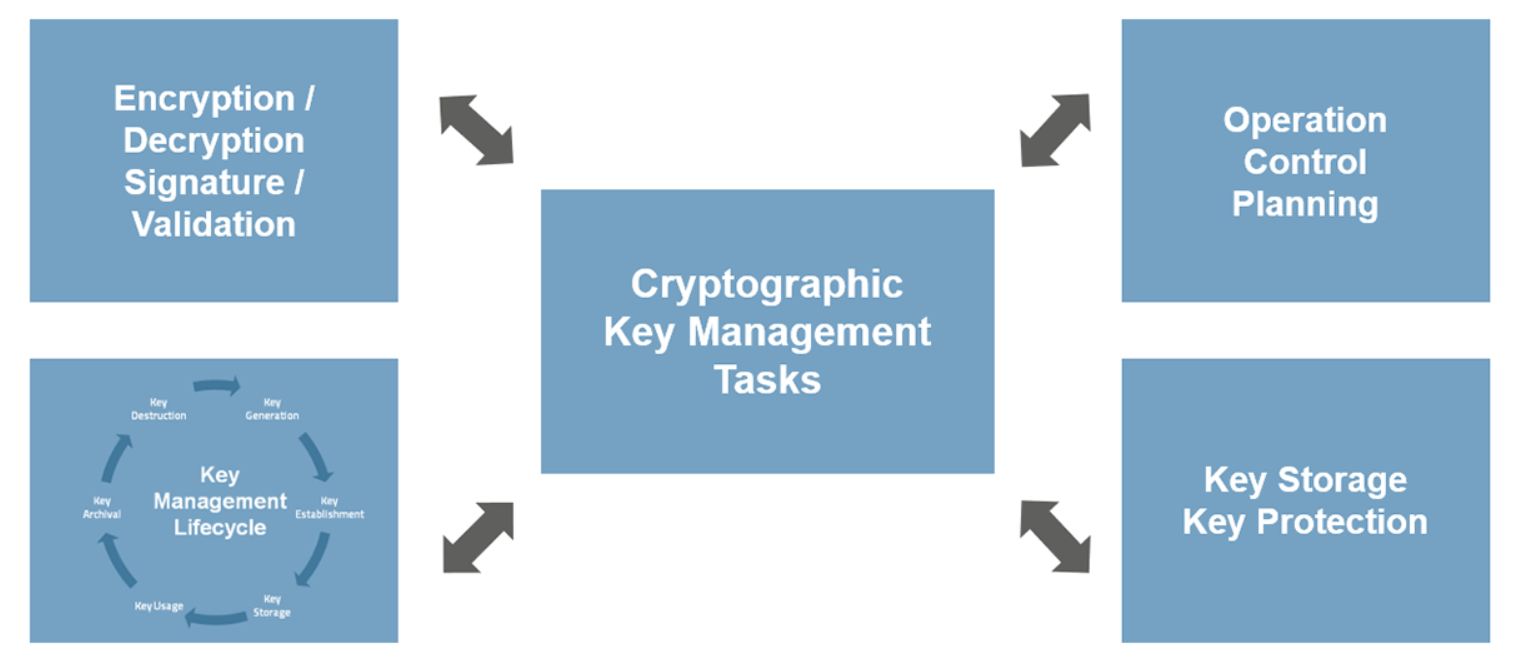
8. Encryption and Key Management Tools
Examples: Thales CipherTrust, HashiCorp Vault, AWS KMS
Encryption is a fundamental requirement for many regulations. It protects data at rest, in transit, and even in use. Key management systems make sure that encryption keys are stored, used, and rotated securely.
These tools offer:
- Centralized key control
- Policy enforcement
- Auditable logs of key access
By encrypting sensitive information and managing keys properly, organizations can reduce the risk of data breaches and meet compliance obligations.
Conclusion
Cybersecurity is no longer just a technical issue. It’s a business and legal priority. As regulations grow stricter and threats more advanced, companies must invest in tools that help them manage both risks and compliance duties.
By using the right cybersecurity tools, you not only protect your systems but also gain the trust of customers, partners, and regulators. In the long run, that trust is one of your most valuable assets.



Pingback: Top 8 Cybersecurity Tools to Watch Out for in the Coming Years - TopatTop.com