

CI/CD platforms are now an integral part of any software development approach. They help project teams to automate critical phases of their workflow, from seamlessly integrating new code to swiftly deploying updates. CI/CD tools not only streamline operations but also promote continuous improvement.
CI/CD (Continuous Integration / Continuous Delivery) is a strategic practice that automates and enhances the software development lifecycle.It goes beyond a simple technical upgrade and helps improve efficiency and teamwork.
Below are top 10 devops tools:
- Jenkins
- GitLab CI/CD
- GitHub Actions
- Azure DevOps
- CircleCI
- Travis CI
- Bamboo
- TeamCity
- Spinnaker
- Argo CD
1. Jenkins
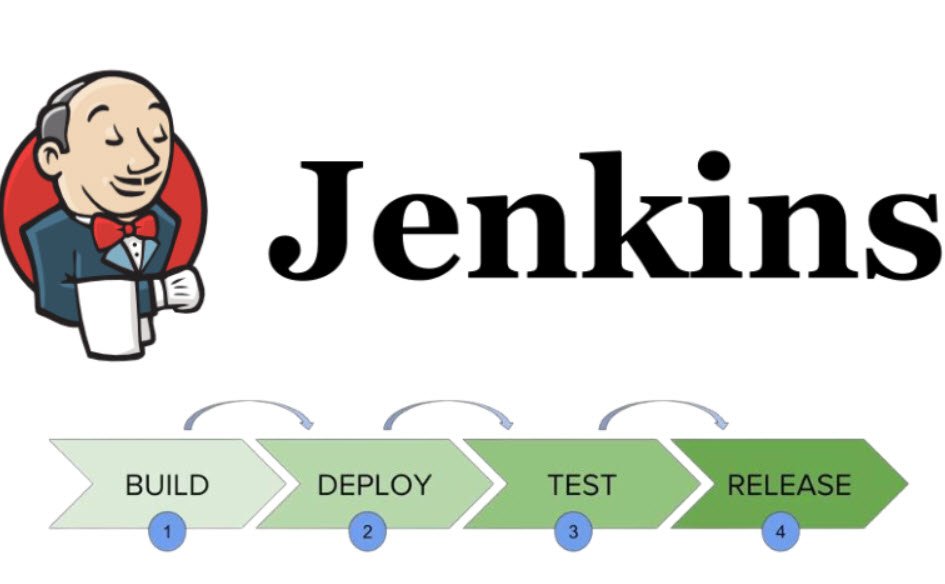
Jenkins is an open source continuous integration (CI) server. It manages and controls several stages of the software delivery process, including build, documentation, automated testing, packaging, and static code analysis. It is a highly popular DevOps tool used by thousands of development teams.
Jenkins automation is commonly triggered by code changes in repositories like GitHub, Bitbucket, and GitLab, and integrates with build tools like Maven and Gradle. It supports the use of container technologies like Docker and Kubernetes for testing and packaging of software releases, but it is neither a Kubernetes native solution nor a container-native CI solution.
2. GitLab CI/CD
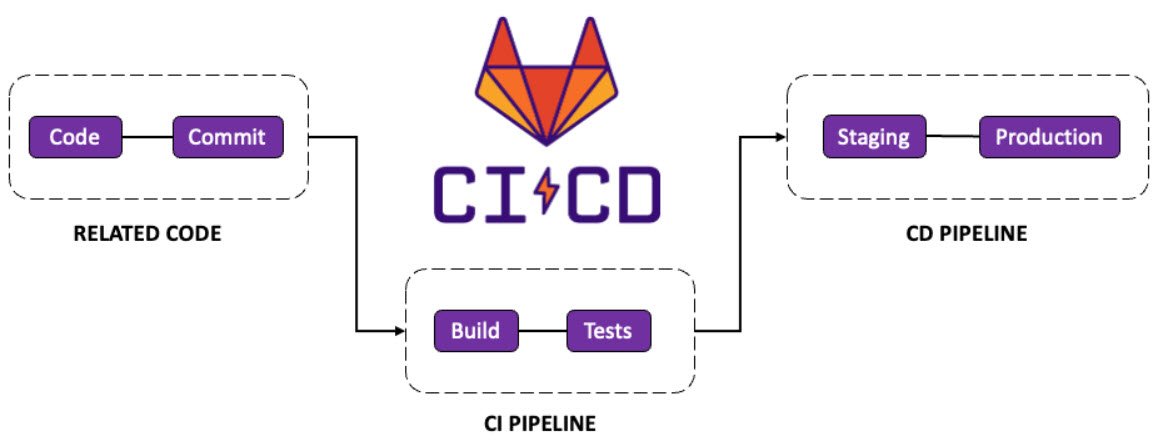
GitLab CI/CD is a software development tool that allows organizations to implement “continuous” methodologies, including continuous integration (CI), continuous delivery (CD), and continuous deployment (also abbreviated to CD).
Using this, you can easily identify code errors and bugs early in the software development life cycle (SDLC). It helps you ensure that any code you deploy to production adheres to the compliance regulation and coding standards relevant to your applications.
3. GitHub Actions
GitHub Actions is a continuous integration and continuous delivery (CI/CD) platform that allows you to automate your build, test, and deployment pipeline.
You can create workflows that build and test every pull request to your repository, or deploy merged pull requests to production.
It goes beyond just DevOps and lets you run workflows when other events happen in your repository. For example, you can run a workflow to automatically add the appropriate labels whenever someone creates a new issue in your repository.

4. Azure DevOps
Azure DevOps (formerly Visual Studio Team Services – VSTS) is a set of tools and services that help DevOps teams provision and manage production environments. It helps teams automate, orchestrate, and manage application and service delivery.
It optimizes source control, build, test, and release processes to enable continuous delivery. It also promotes the use of DevOps practices across cloud and on-premises environments.
It also offers Azure DevOps Server, the evolution of Microsoft Team Foundation Server (TFS). Azure DevOps Server is an on-premises version of Azure DevOps, which you can deploy in your local data center and provides similar services and functionality to the cloud-based Azure DevOps service.
5. CircleCI
CircleCI is the world’s largest shared continuous integration and delivery (CI/CD) platform, and the central hub where code moves from idea to delivery.
CircleCI has unique access to data on how engineering teams work, and how their code runs. Companies like Intuit, Apple, Spotify, Facebook, and Twilio use CircleCI to improve engineering team productivity, release better products, and get to market faster.
CircleCI is served as a SaaS and on prem. It builds, tests and deploys applications. CircleCI targets several different environments and architectures like Linux, macOS, Windows, ARM, and Android to name a few.

6. Travis CI
Travis CI is a hosted, distributed continuous integration service used to build and test software projects hosted at GitHub. It is basically a tool that helps you deploy software with confidence.
It is like a middleman that protects you from breaking your code. TravisCI easily integrates with popular Travis CI cloud repositories such as Bitbucket and GitHub.
Without the need for a dedicated server, they offer many automated CI options that are hosted in the cloud. On different computers with different operating systems, this allows for testing in different environments.
7. Bamboo
Bamboo is a Continuous Integration (CI) server used to automate build, test, integration, and release management for software applications, enabling a continuous delivery pipeline.
It is part of the Atlassian ecosystem and provides a user-friendly graphical interface that helps teams plan and manage workflows efficiently. With built-in integrations for Jira Service Management, deployment projects, Bitbucket Server, and Git branch workflows, Bamboo simplifies and accelerates the development process by reducing the time spent on repetitive scripts and test suites.
Bamboo performs CI/CD tasks using agents, which include:
- Local agents, running on the Bamboo server
- Remote agents, running on separate servers or machines

8. TeamCity
TeamCity is a Continuous Integration and Deployment server that provides out-of-the-box continuous unit testing, code quality analysis, and early reporting on build problems.
A simple installation process lets you deploy TeamCity and start improving your release management practices in a matter of minutes. It supports Java, .NET, and Ruby development and integrates perfectly with major IDEs, version control systems, and issue tracking systems.
9. Spinnaker
Spinnaker is a multi-cloud continuous delivery platform for releasing software changes. It is designed to increase release velocity and reduce the risk associated with updating applications.
Spinnaker is used in production by thousands of organizations around the world to automate their software delivery process, and used by developers, testers, SREs to deploy hundreds of changes a day.
Spinnaker is supported by a large community including AWS, Google, Azure, Oracle, SAP, Cisco, Netflix, etc.
10. Argo CD
Argo CD is a leading GitOps continuous delivery tool that automates Kubernetes deployments by synchronizing declarative configurations with cluster states. It simplifies application rollouts, and when combined with Harness, it delivers better governance, scalability, and enterprise-level features.
It is also limited in its post-deployment verification that the application is healthy in the environment. Teams using Argo will need to implement observability tooling and determine how they will be connect alerts to recent deployments and initiate rollbacks.
This may mean ensuring deployments are only run when two engineers are available to create a rollback PR and approve it.

Conclusion
Continuous integration and delivery tools are critical to ensure that you can keep up a smooth development process and rapidly meet the business’s expectations.
These tools are necessary during complex development projects while working on new features, modifying existing ones, or deploying applications.
To choose the best tool as per your requirements, it is essential to weigh all the benefits and drawbacks of each relevant CI/CD service before making a commercial choice.



Pingback: Top 10 Employee Monitoring Software for IT Teams – TopatTop.com
Pingback: Top 7 Open-Source DevOps Tools to Reduce Infrastructure Costs - TopatTop.com