
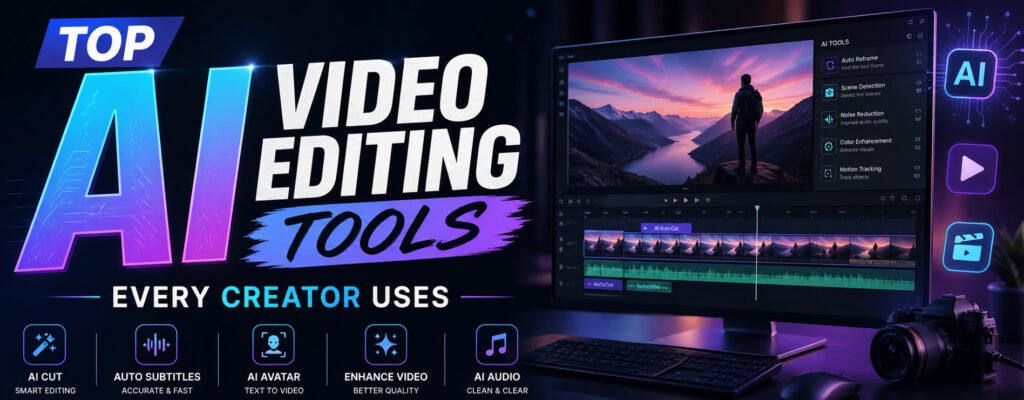

Creators today aren’t just looking for AI editing, they want fast, cloud-based tools that can transform long-form videos into multiple short clips and help maintain consistency across platforms like TikTok, Instagram Reels, and YouTube Shorts.
The challenge?
Most AI video editors look similar at first glance, but their workflows, scalability, and flexibility vary significantly once you start producing content at scale.
Here are the top 6 AI video editing tools every creator uses:
- Adobe Premiere Pro
- Final Cut Pro
- Runway ML
- Descript
- Pictory
- Synthesia
1. Adobe Premiere Pro
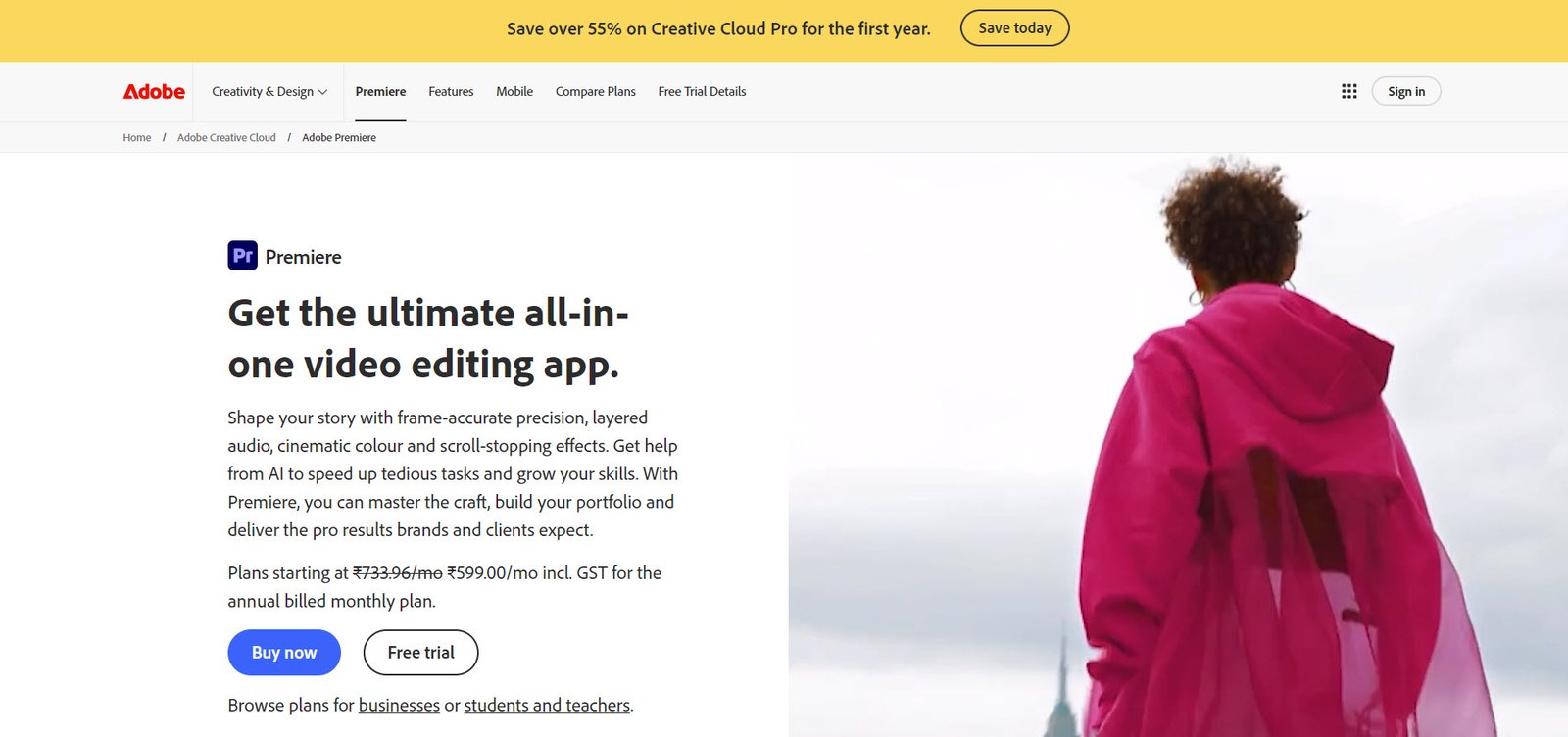
Adobe Premiere Pro is a powerful AI-assisted video editing software that saves time by automating repetitive tasks such as transcription, color correction, audio enhancement, and video reframing for social media.
It’s a comprehensive solution available as part of the Adobe Creative Cloud suite and is often used alongside Adobe After Effects and Adobe Photoshop for advanced creative projects. Compatible with both macOS and Windows, it remains a go-to choice for professionals.
2. Final Cut Pro
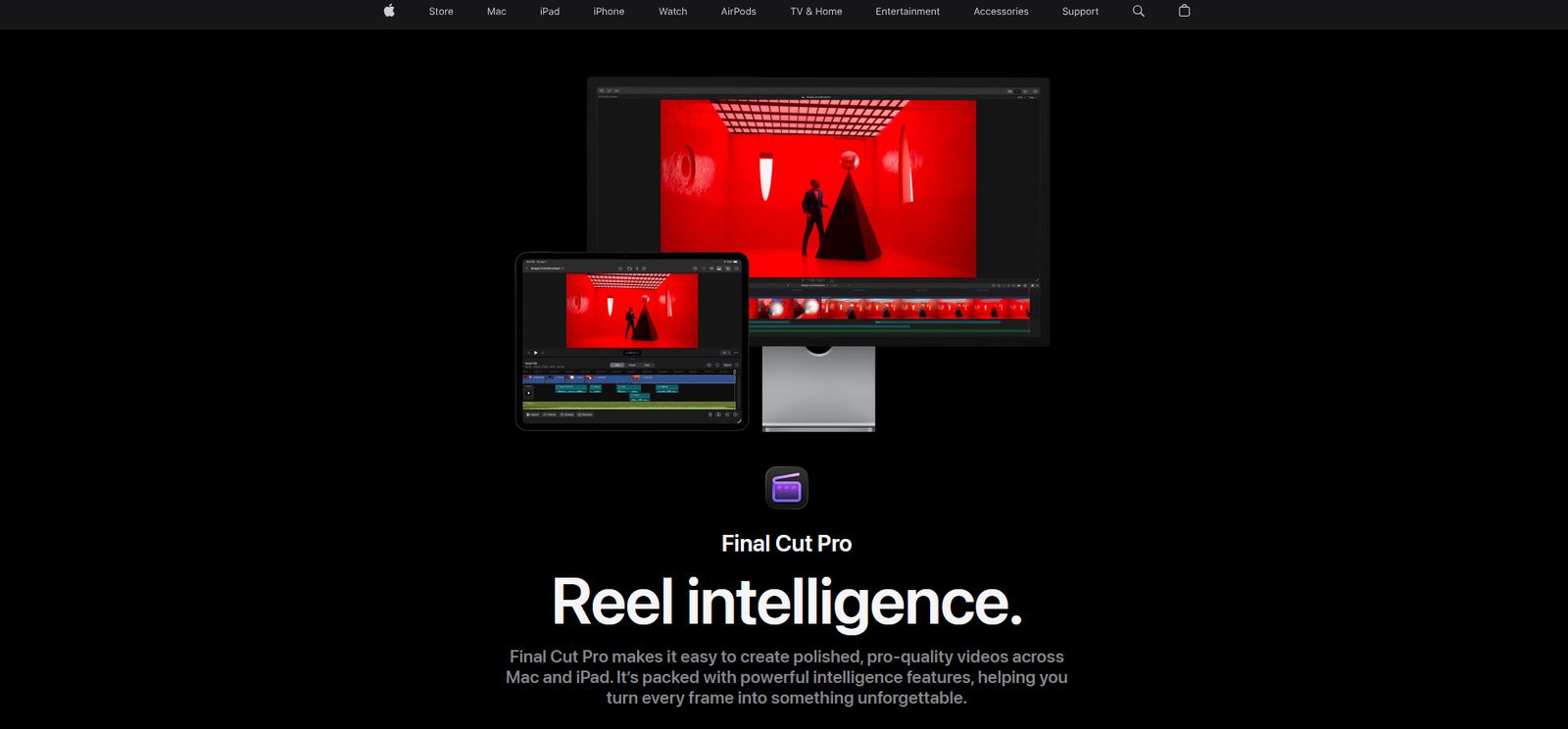
Final Cut Pro is a professional non-linear video editing tool developed by Apple Inc.. Known for its speed and performance, it features an intuitive magnetic timeline that allows creators to edit and organize footage efficiently.
It’s particularly popular among Mac users and supports advanced features like 360-degree video editing, making it ideal for immersive content creation.
3. Runway ML
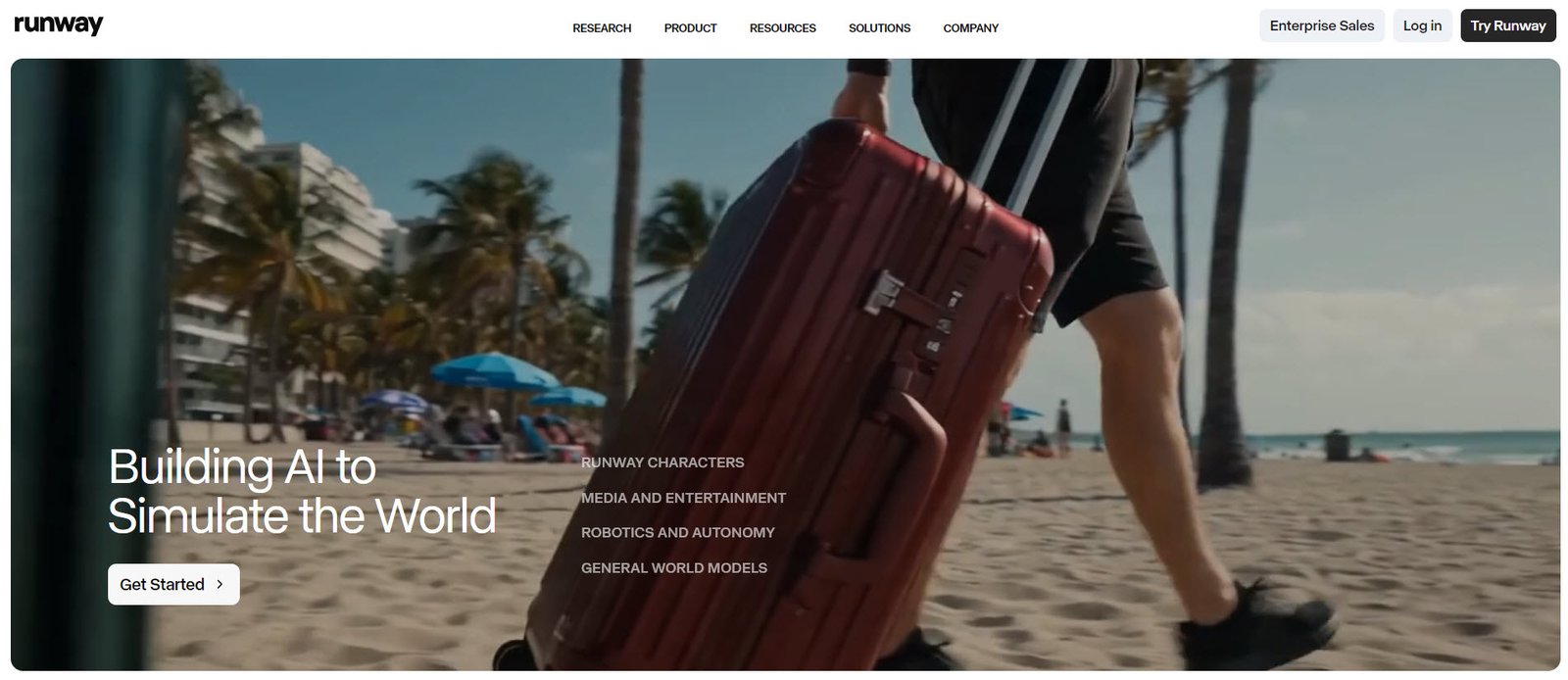
Runway ML is an AI-powered video generation and editing platform widely used by filmmakers, motion designers, and creators. It can turn text prompts and images into video clips, apply generative effects, and enhance existing footage.
While it excels at creative production and generating visually striking content, it’s less focused on complete ad production workflows, which may require additional tools for scripting, voiceovers, and final assembly.
4. Descript
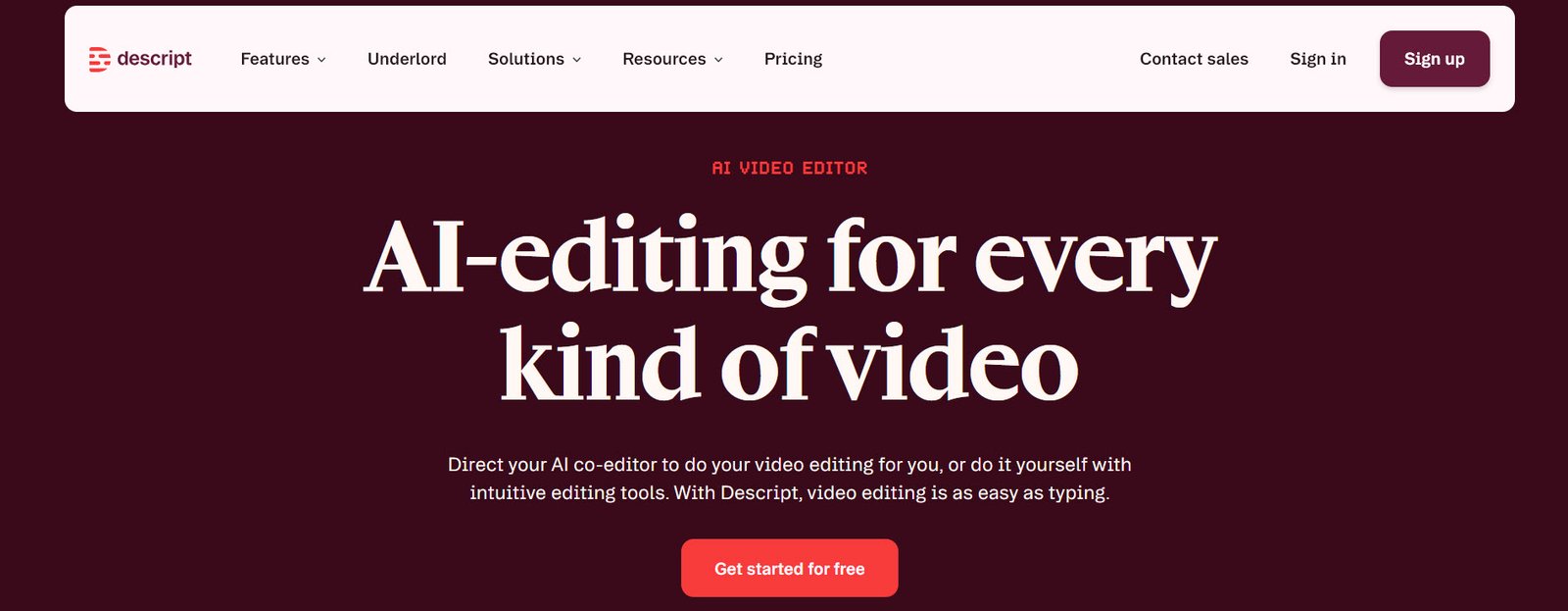
Descript offers a unique approach to video and podcast editing by allowing users to edit media as easily as editing a text document. It transcribes audio and video into text, enabling quick edits, corrections, and content restructuring.
With its AI-powered features, Descript is suitable for both beginners and professionals looking to produce high-quality content quickly and efficiently.
5. Pictory
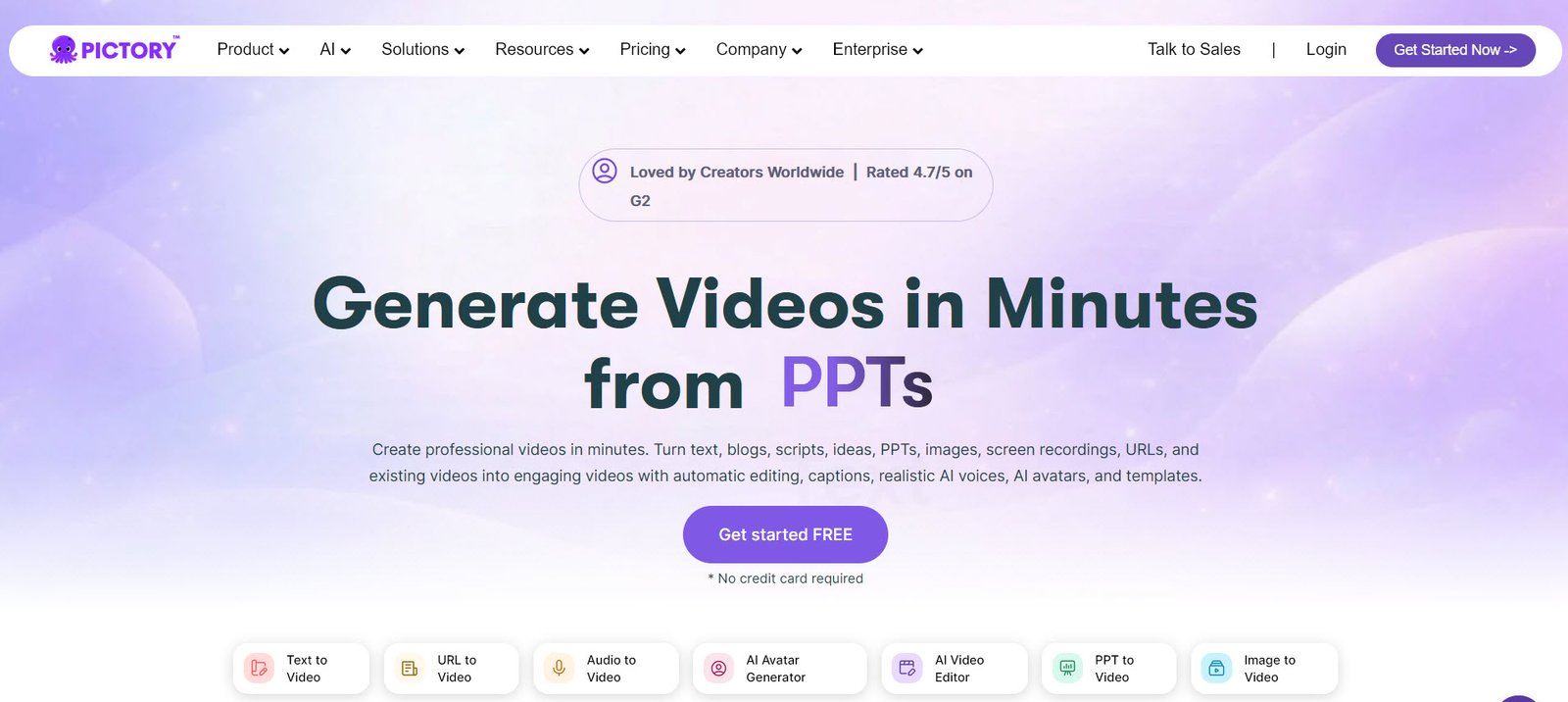
Pictory AI simplifies video creation by turning text into engaging videos. It automatically generates visuals, AI voiceovers, captions, and subtitles, making it ideal for content repurposing.
It also supports resizing videos for platforms like YouTube, TikTok, and Instagram, helping creators maintain a consistent presence across channels.
6. Synthesia
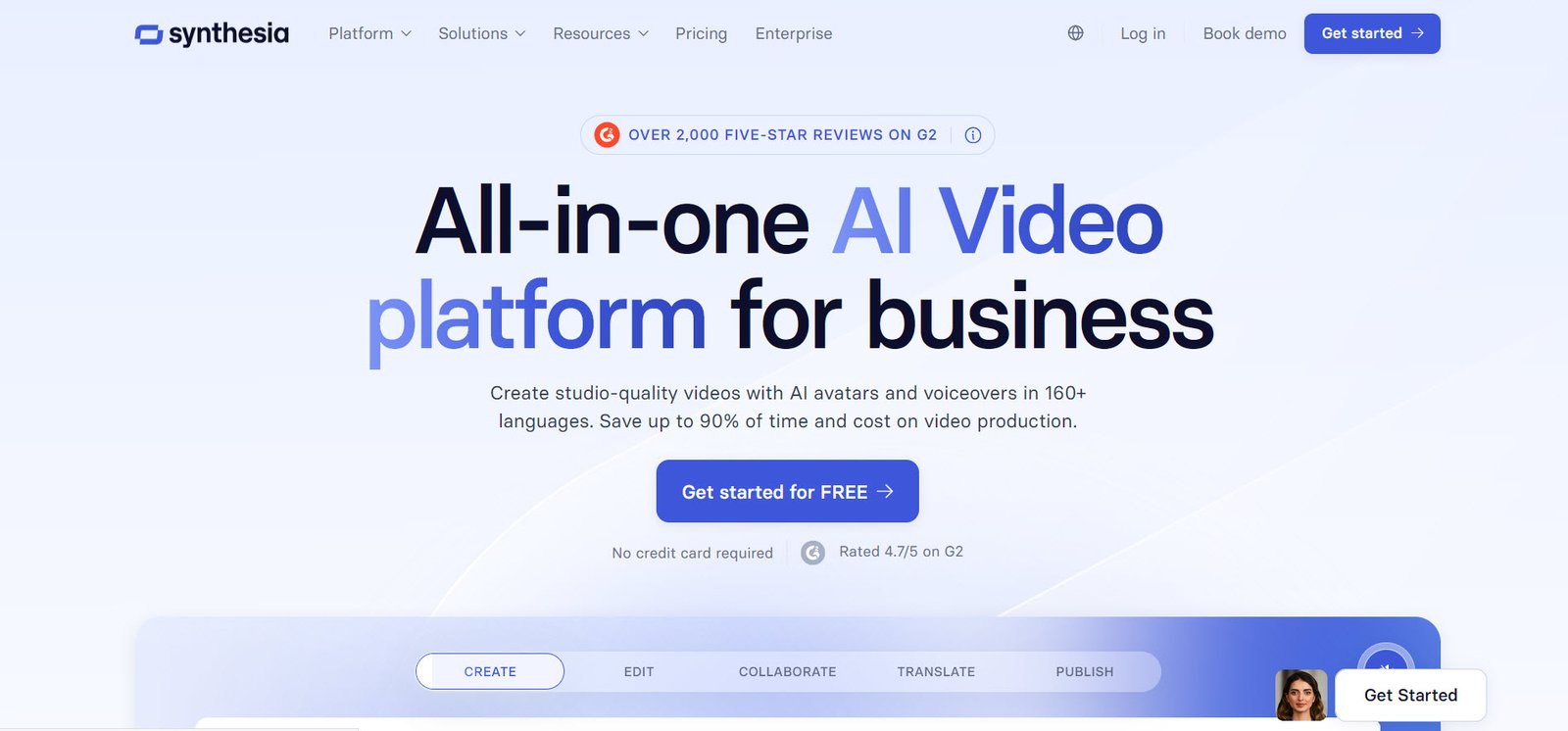
Synthesia enables users to create professional videos using AI avatars and synthetic voices—without needing cameras or studios.
It’s widely used for corporate training, educational content, and personalized messaging. The platform significantly reduces production time and cost while maintaining high-quality output.
Conclusion
As AI continues to evolve, video editing is becoming more intelligent, personalized, and efficient. Choosing the right tool today not only boosts productivity but also prepares creators and businesses for the future of video production.