
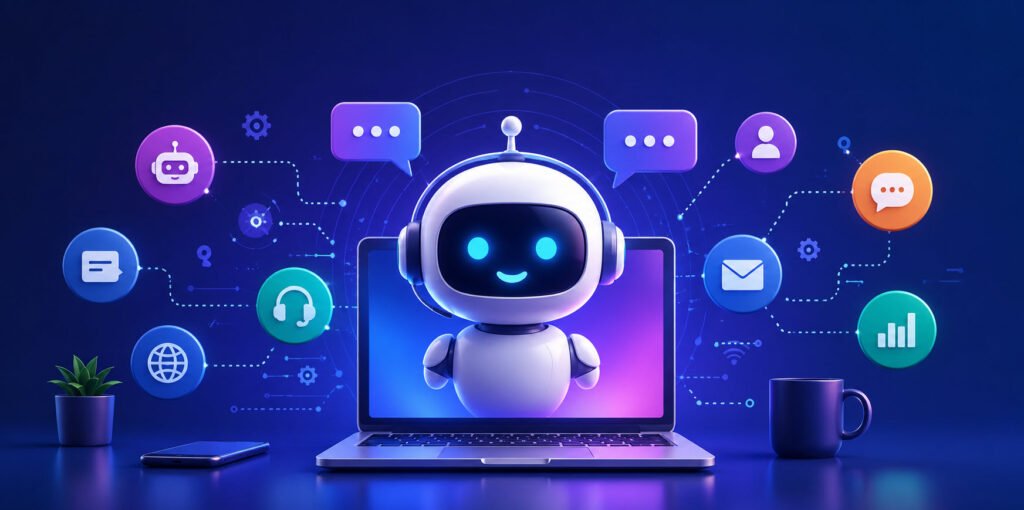

AI chatbots are transforming the way businesses communicate with customers. Unlike traditional bots that rely on fixed responses, AI chatbots use Natural Language Processing (NLP) and machine learning (ML) to understand conversations, respond intelligently, and improve over time.
Today, businesses use AI chatbot platforms for customer support, lead generation, sales automation, appointment scheduling, helpdesk and even internal team communication.
Here are the top 8 AI chatbot platforms for automation in 2026.
1. Dialogflow (Google Cloud)
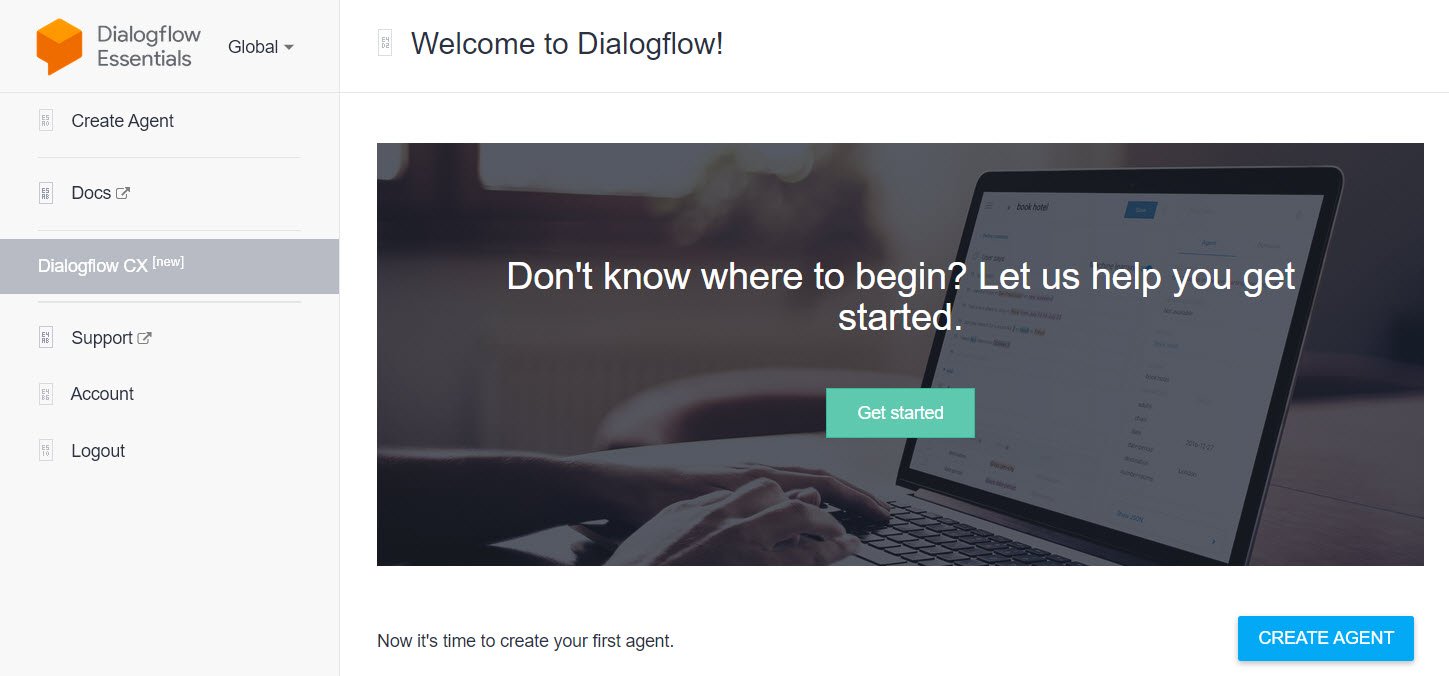
Google Cloud Dialogflow is one of the most popular conversational AI platforms available today in the market. Designed by Google, it allows developers and businesses to create intelligent chatbots and voice assistants for websites, mobile apps, messaging platforms, and smart devices.
The platform uses Google’s advanced AI and machine learning technology to understand user intent and deliver highly relevant responses. It also supports multilingual conversations, making it suitable for businesses serving global audiences.
One of its biggest strengths is its seamless integration with Google Cloud services, allowing businesses to connect chatbots with analytics, databases, and automation workflows easily.
2. Microsoft Bot Framework
Microsoft Bot Framework is an another powerful suite of tools and services for building intelligent conversational bots across multiple platforms.
It enables developers to create bots that communicate naturally with users using conversational dialogue. The framework also supports integration with popular communication channels such as Facebook Messenger, Skype, Microsoft Teams, and more.
One of the major advantages of Microsoft Bot Framework is its flexibility for enterprise-grade chatbot development. It also works well with Azure AI services, enabling advanced automation and analytics capabilities.
3. IBM Watson Assistant
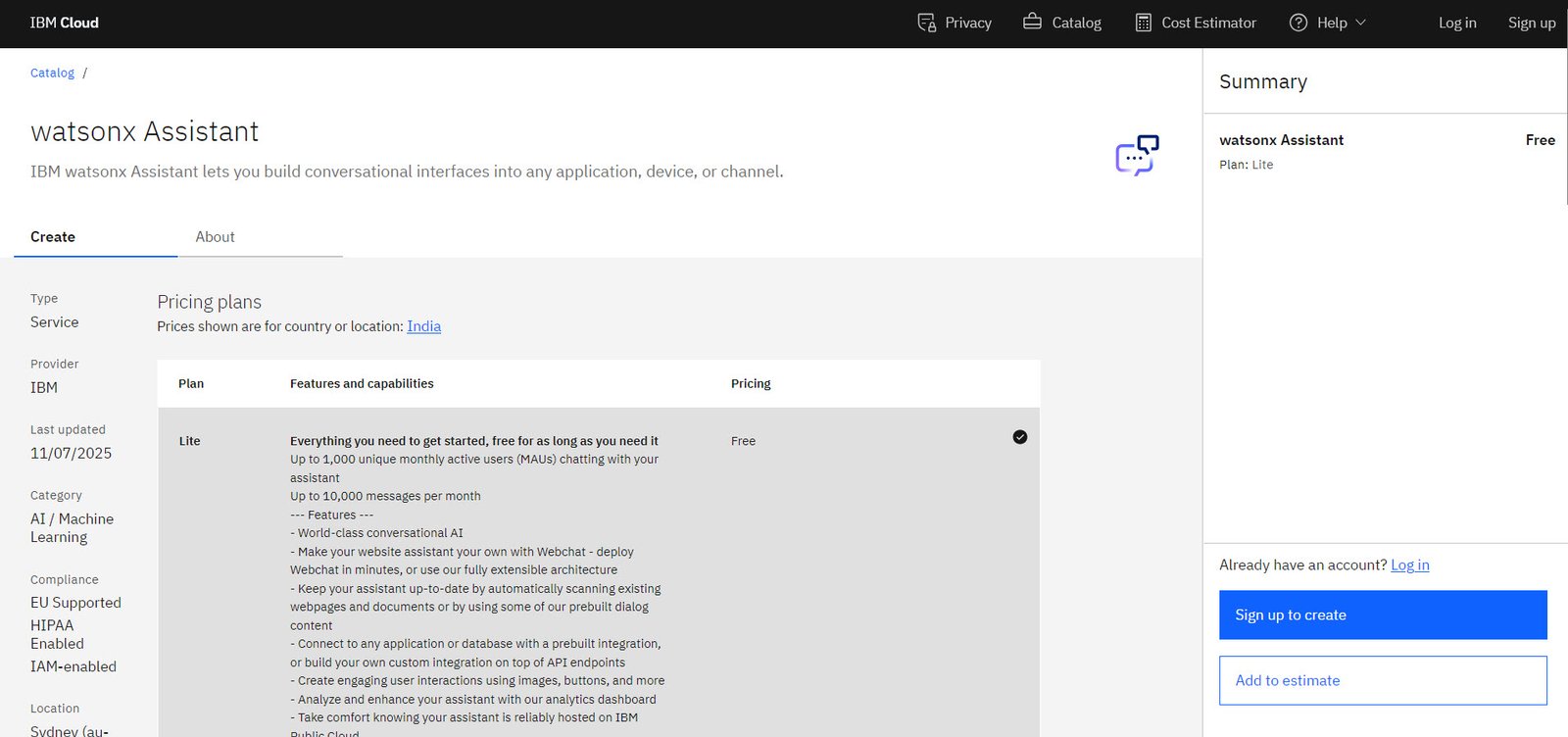
IBM Watson Assistant is a conversational AI platform designed to improve customer engagement through intelligent automation.
The platform uses artificial intelligence and NLP to understand customer queries, provide accurate responses, and learn continuously from interactions. Over time, it becomes more effective at resolving issues quickly and improving the customer experience.
IBM Watson Assistant is widely used in industries such as healthcare, banking, retail, and telecommunications due to its advanced AI capabilities and enterprise-level security.
4. Rasa
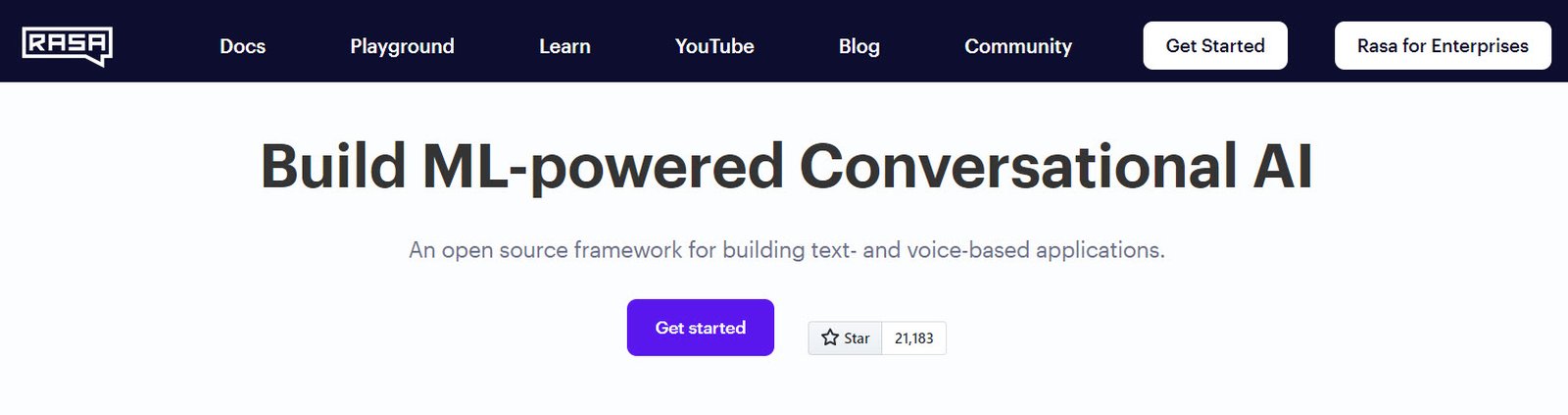
Rasa is an open-source conversational AI platform that gives developers complete control over chatbot development and deployment.
Unlike many drag-and-drop chatbot builders, Rasa focuses heavily on customization and flexibility. Developers can train their own models, create highly personalized conversational flows, and integrate bots with external systems using APIs.
Rasa supports deployment across multiple channels including Slack, Facebook Messenger, and Microsoft Bot Framework, making it a versatile choice for businesses with complex automation needs.
5. Tidio
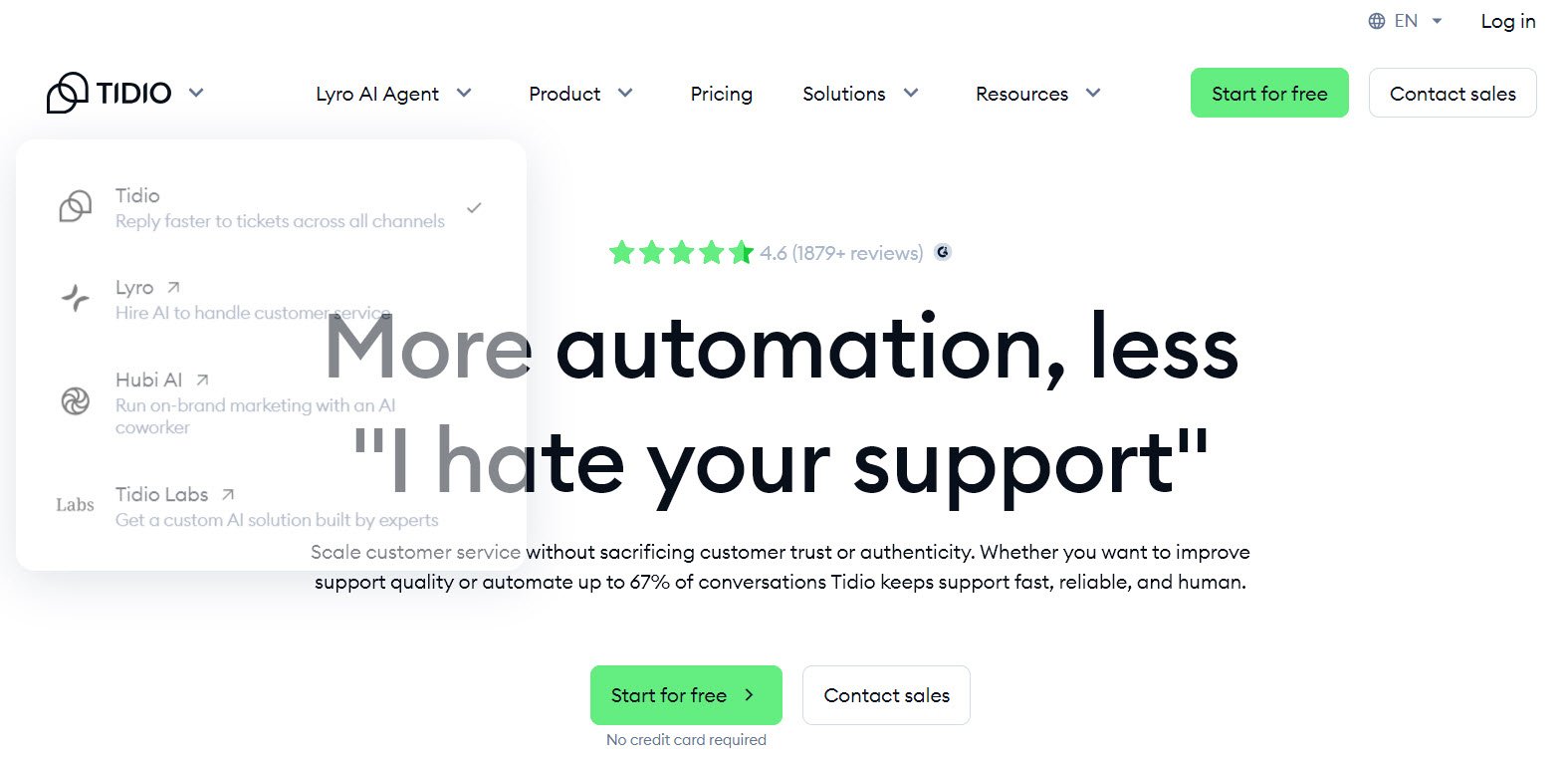
Tidio combines live chat functionality with AI-powered automation to help businesses communicate with customers in real-time.
The platform is known for its simplicity and fast setup process. Businesses can quickly integrate Tidio into websites and start managing conversations through chat, email, and social media channels from a shared inbox.
Tidio is particularly popular among small and medium-sized businesses because it balances affordability, ease of use, and automation capabilities.
6. ManyChat
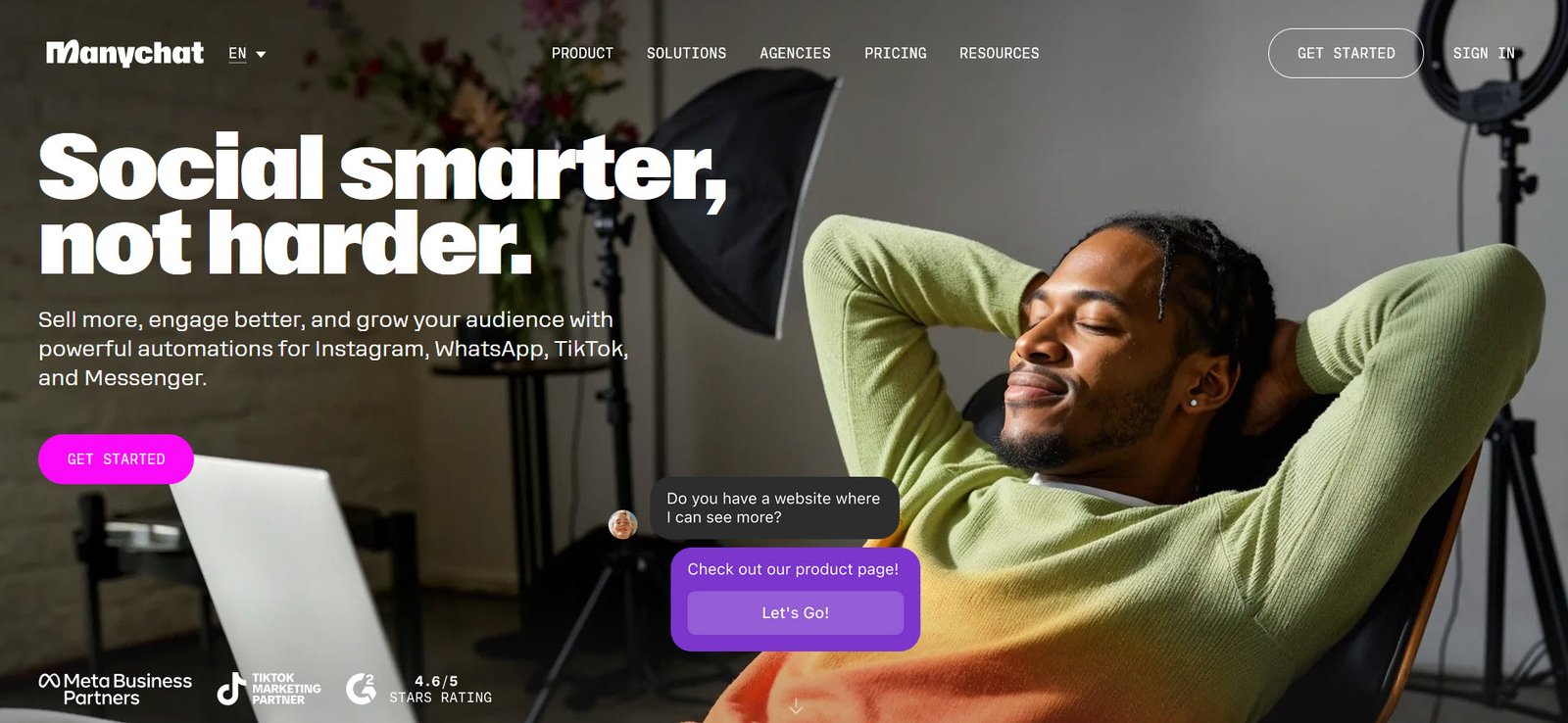
ManyChat is one of the most popular cloud-based chatbot platform focused on social media and messaging automation.
Businesses use ManyChat to engage audiences, generate leads, automate sales funnels, and improve customer communication through platforms like Instagram, Facebook Messenger, and SMS.
Its visual chatbot builder makes it easy for marketers and non-technical users to create automated workflows without coding knowledge.
7. Intercom
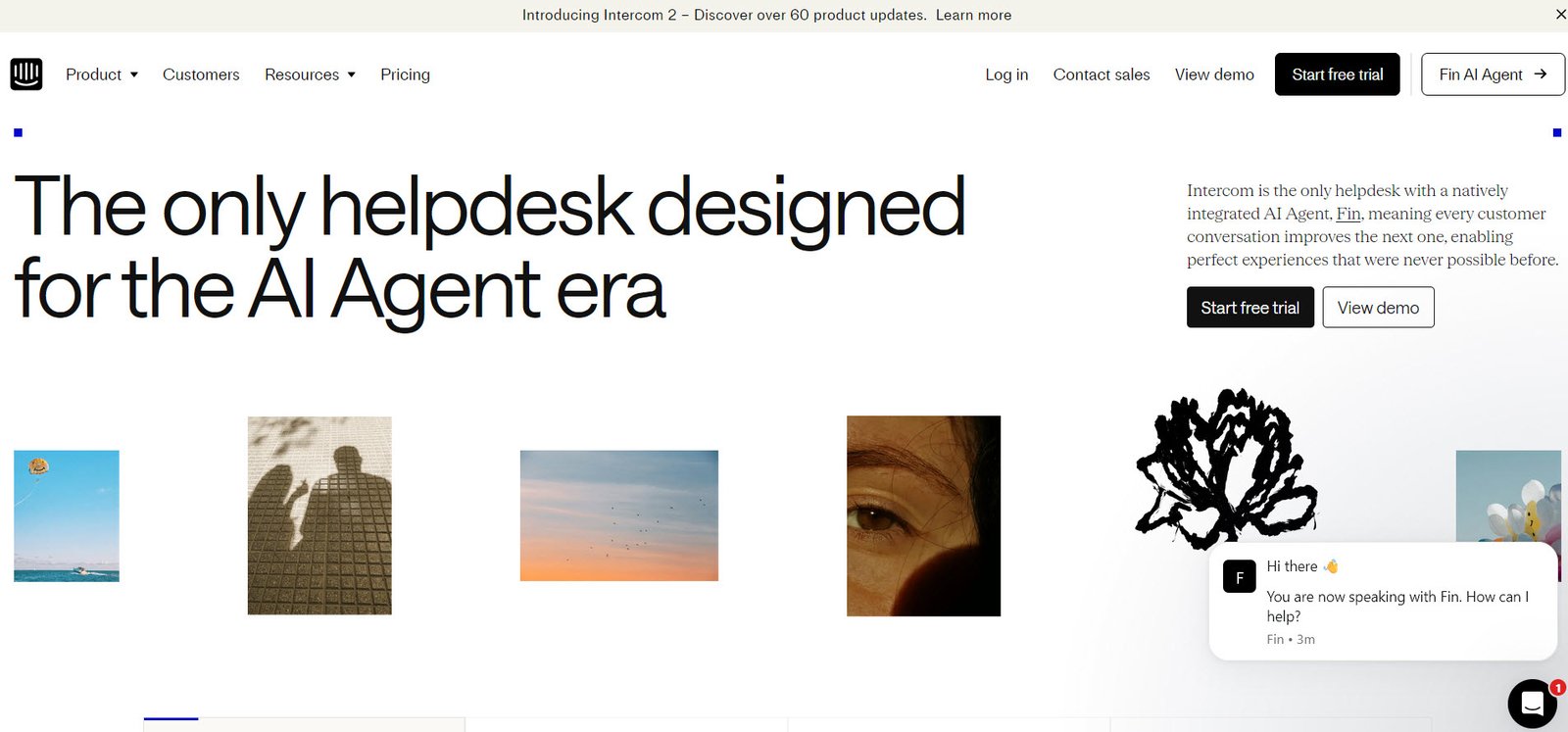
Intercom is an another customer communication platform that combines live chat, automation, and AI-driven customer support tools.
The platform enables businesses to deliver faster customer support through chatbots, automated messaging, and real-time communication. Intercom’s AI features help businesses answer customer questions instantly while improving the overall user experience.
It also provides advanced customer segmentation and analytics tools that help businesses understand user behavior and optimize support workflows.
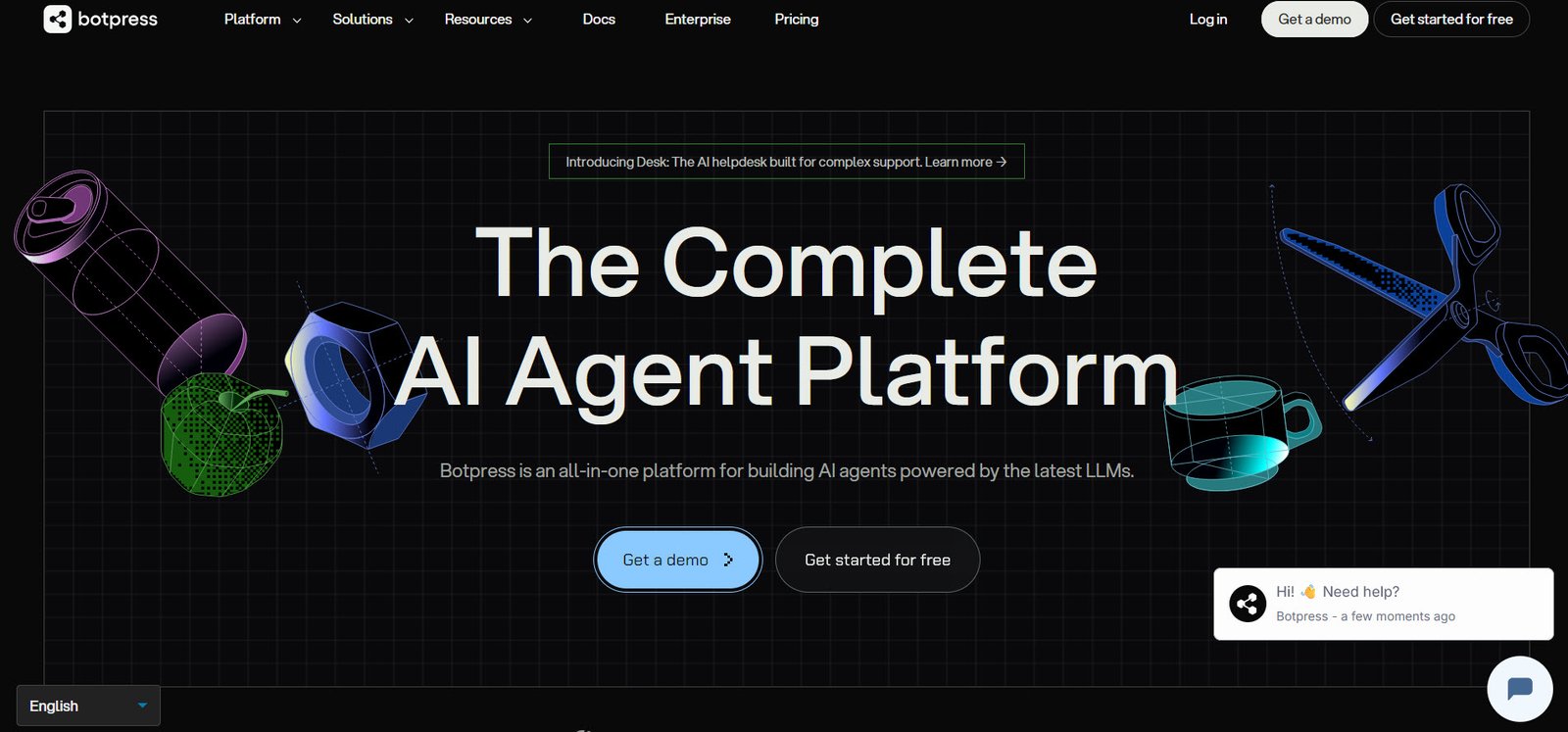
8. Botpress
Botpress is a modern conversational AI platform built for creating advanced customer service chatbots and virtual assistants.
The platform supports both structured conversations and generative AI experiences. It offers cloud and self-hosted deployment options, making it suitable for businesses with different infrastructure requirements.
Botpress also provides analytics, monitoring tools, and multi-channel deployment capabilities, helping organizations manage production-level chatbot systems effectively.
Conclusion
Choosing the right AI chatbot platform is not just about selecting the most advanced technology, it’s about finding a right solution that aligns with your business goals, workflows, and customer expectations.
As AI continues to evolve, chatbot platforms will become even more intelligent, personalized, and essential for modern business automation.



Pingback: 10 Best AI Tools for Students and Educators in 2026 – TopatTop.com