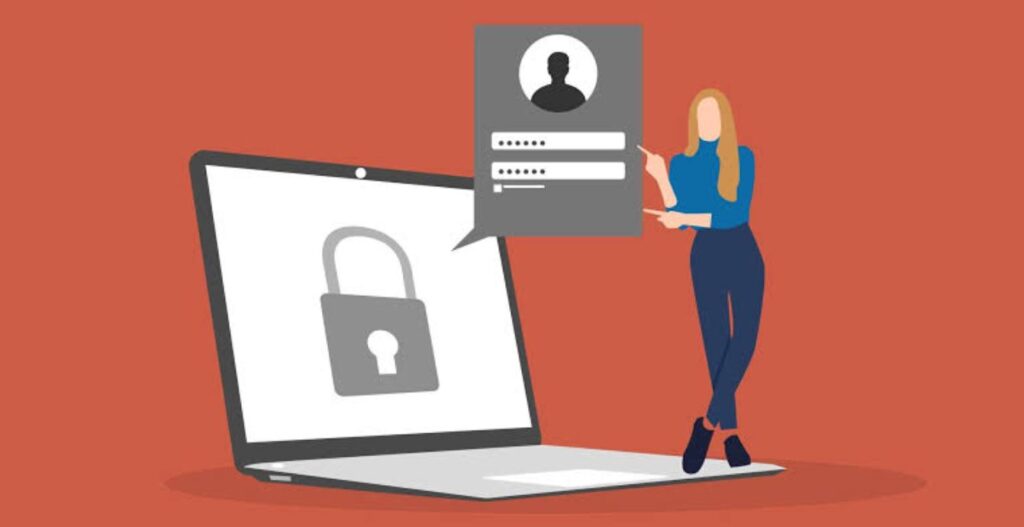

Data privacy is no longer just a compliance requirement. As regulations such as GDPR, CCPA, Brazil’s LGPD, and India’s DPDP Act continue to evolve, organizations face increasing pressure to manage personal and sensitive data responsibly.
At the same time, data volumes are growing rapidly across cloud platforms, SaaS applications, and internal systems. This makes it harder for privacy teams to maintain visibility and ensure compliance. Choosing the right data privacy tool can simplify this challenge by helping organizations discover sensitive information, automate privacy processes, and strengthen governance across the data lifecycle.
Below are nine leading data privacy tools that help businesses meet regulatory requirements while improving data management and security.
- OneTrust
- TrustArc
- BigID
- Securiti
- Collibra
- IBM Guardium
- Microsoft Purview
- Spirion
- Varonis
1. OneTrust
OneTrust provides a centralized platform for managing privacy, compliance, and risk-related activities across an organization.
Its capabilities include consent management, vendor risk tracking, privacy operations, AI governance, and regulatory compliance. OneTrust also integrates with existing business systems, allowing privacy preferences and policy changes to automatically sync across platforms such as CRM systems, marketing tools, and customer databases.
2. TrustArc
TrustArc offers a comprehensive privacy management platform built around its Arc Intelligence technology.
The platform brings together solutions such as PrivacyCentral, Assessment Manager, and Cookie Consent Manager into a unified workspace. Instead of relying on multiple interfaces, organizations can manage privacy programs through a single environment with real-time visibility into compliance status and risk exposure.

3. BigID
BigID focuses on data discovery and privacy intelligence powered by artificial intelligence.
The platform helps organizations identify, classify, and understand sensitive information wherever it resides. BigID supports structured, unstructured, and AI-related data environments, making it particularly useful for businesses seeking broader visibility into data risks beyond regulatory compliance.
4. Securiti
Securiti has expanded beyond traditional privacy management into AI security and governance.
Its platform combines privacy compliance features with tools designed to manage AI-related risks. Organizations can discover AI models, map organizational data and AI usage, evaluate risks, and apply privacy and security controls to support responsible AI adoption.
5. Collibra
Collibra is a data intelligence platform that helps organizations understand, govern, and manage information across the enterprise.
Its portfolio includes solutions for data governance, privacy management, data cataloging, data lineage, and data quality. Governance is a core strength of the platform, allowing organizations to establish policies, maintain standards, and automate compliance-related processes.
6. IBM Guardium
IBM Guardium is designed to protect sensitive information across databases, cloud environments, enterprise applications, and large-scale data ecosystems.
The platform delivers continuous monitoring, threat detection, and policy enforcement to help organizations detect suspicious activity and prevent unauthorized access. It also supports compliance efforts related to regulations such as GDPR, HIPAA, and SOX.
7. Microsoft Purview
Microsoft Purview combines data governance, security, and compliance capabilities into a unified platform.
Organizations can use Purview to discover, classify, label, and protect information across on-premises systems, multicloud deployments, SaaS applications, and AI environments. The platform also includes auditing, risk management, data loss prevention (DLP), and insider risk management features.

8. Spirion
Spirion specializes in discovering and protecting sensitive information across devices, systems, and storage environments.
The platform can identify confidential data such as Social Security numbers, payment card details, and other regulated information. It also helps organizations monitor how data moves throughout its lifecycle while generating security alerts when potential risks are detected.
9. Varonis
Varonis takes a data-centric approach to security, focusing on protecting sensitive information from insider threats and unauthorized access.
Its cloud-native Data Security Platform continuously discovers and classifies critical data, identifies exposures, and uses AI-powered automation to detect threats. The platform supports a wide range of security functions, including Data Security Posture Management (DSPM), Data Access Governance (DAG), Data Detection and Response (DDR), Data Loss Prevention (DLP), identity protection, and insider risk management.
The best solution depends on your organization’s priorities and regulatory requirements. Data privacy management has become a business-critical function as organizations handle increasing volumes of sensitive information across multiple environments.
Conclusion
As privacy regulations continue to expand worldwide, organizations need tools that provide visibility, governance, security, and compliance across the entire data lifecycle.
Selecting the right data privacy tool can help businesses manage sensitive information more effectively, reduce compliance risks, and maintain stronger control over how data is collected, stored, and used. By aligning privacy technology with business requirements, organizations can focus on growth while staying prepared for evolving regulatory demands.
FAQ
What is a data privacy tool?
A data privacy tool is software that helps organizations discover, manage, protect, and govern sensitive information while supporting compliance with privacy regulations.
Which regulations do data privacy tools commonly support?
Many leading platforms support requirements related to GDPR, CCPA, LGPD, DPDP, HIPAA, SOX, and other regional or industry-specific regulations.
Why is data discovery important for privacy compliance?
Data discovery helps organizations identify where sensitive information is stored, making it easier to apply security controls, enforce policies, and respond to regulatory requirements.
Are AI governance features becoming important in privacy platforms?
Yes. As organizations adopt artificial intelligence, many privacy vendors are adding AI governance, risk management, and security features to help manage emerging compliance and operational risks.
Can data privacy tools improve data governance?
Yes. Many modern platforms combine privacy, governance, security, and compliance capabilities, enabling organizations to manage data throughout its lifecycle more effectively.