
As organizations collect and manage growing volumes of data, maintaining control over that information becomes increasingly challenging. Effective governance is essential for ensuring data quality, security, compliance, and accessibility across the business.
Manual governance processes can be time-consuming and difficult to scale, especially in complex environments that span multiple systems and platforms. This is why many organizations invest in data governance tools that automate workflows, improve visibility, and support regulatory compliance. The right platform can help businesses manage data more efficiently, maintain trust in their information assets, and strengthen decision-making.
This guide highlights seven leading data governance tools that help enterprises establish stronger governance frameworks and meet compliance requirements.
Why Data Governance Tools Matter
Data governance tools provide organizations with the structure and automation needed to manage data consistently across different systems. They help teams:
- Improve data quality and reliability
- Strengthen data security and privacy controls
- Manage metadata and data lineage
- Support regulatory and compliance requirements
- Enhance collaboration between business and technical teams
- Streamline master data management initiatives
By creating a trusted data environment, these platforms help organizations reduce risk while making data more useful across the business.
1. Collibra Data Governance
Collibra is widely recognized for its comprehensive data governance features, particularly in areas such as data ownership and stewardship. The platform enables organizations to view, manage, and secure data assets while ensuring they remain accessible to authorized users.
One of Collibra’s key strengths is its data cataloging functionality. Using machine learning, the platform can scan data sources and automatically build a centralized catalog of organizational data assets. This makes it easier for teams to identify and use the most relevant data for projects and business initiatives.
2. Informatica Axon Data Governance
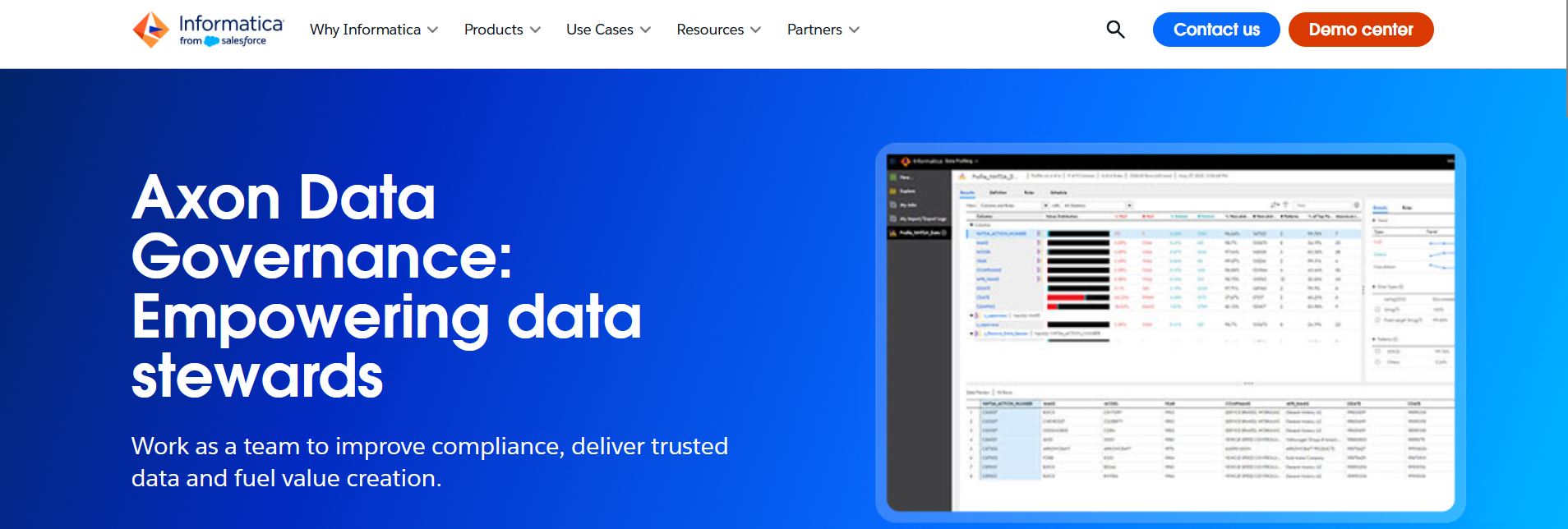
Informatica Axon Data Governance serves as a collaboration platform for business analysts, data stewards, and governance teams. It helps users discover, access, understand, and govern enterprise data while connecting business terminology with technical metadata.
The platform allows organizations to incorporate governance and privacy requirements into business processes from the beginning, helping support compliance efforts more effectively.
3. IBM Data Governance (IBM Cloud Pak for Data)
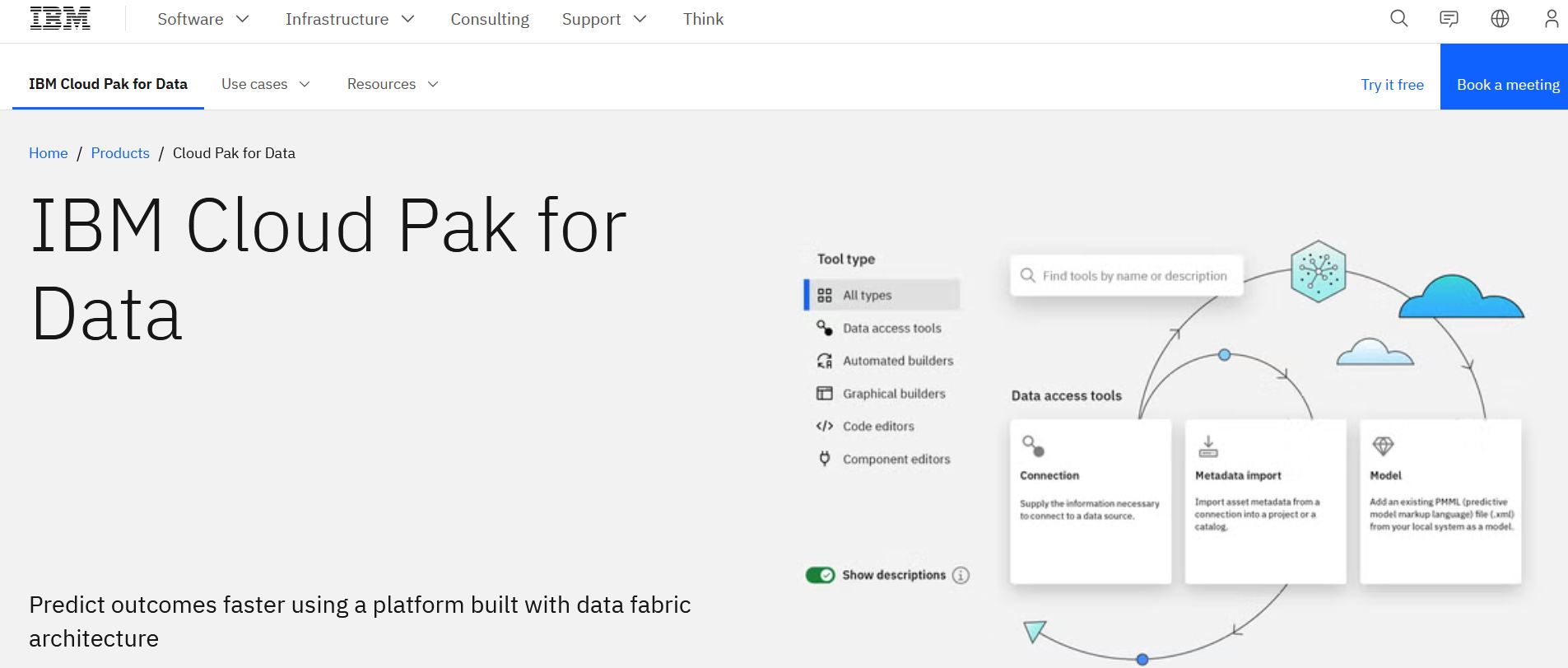
IBM Cloud Pak for Data combines governance, analytics, data engineering, and AI lifecycle management within a unified platform. Built around a data fabric approach, it helps organizations provide secure access to trusted data while automating governance and compliance processes.
The platform supports a wide range of users, including data engineers, quality analysts, governance teams, business analysts, and data scientists.
4. Microsoft Purview
Microsoft Purview is designed to help organizations discover, govern, and manage data across on-premises environments, cloud platforms, and Software as a Service (SaaS) applications.
By offering a centralized governance portal, Purview makes it easier for data producers and consumers to collaborate while maintaining control over enterprise data assets.
5. Alation Data Governance
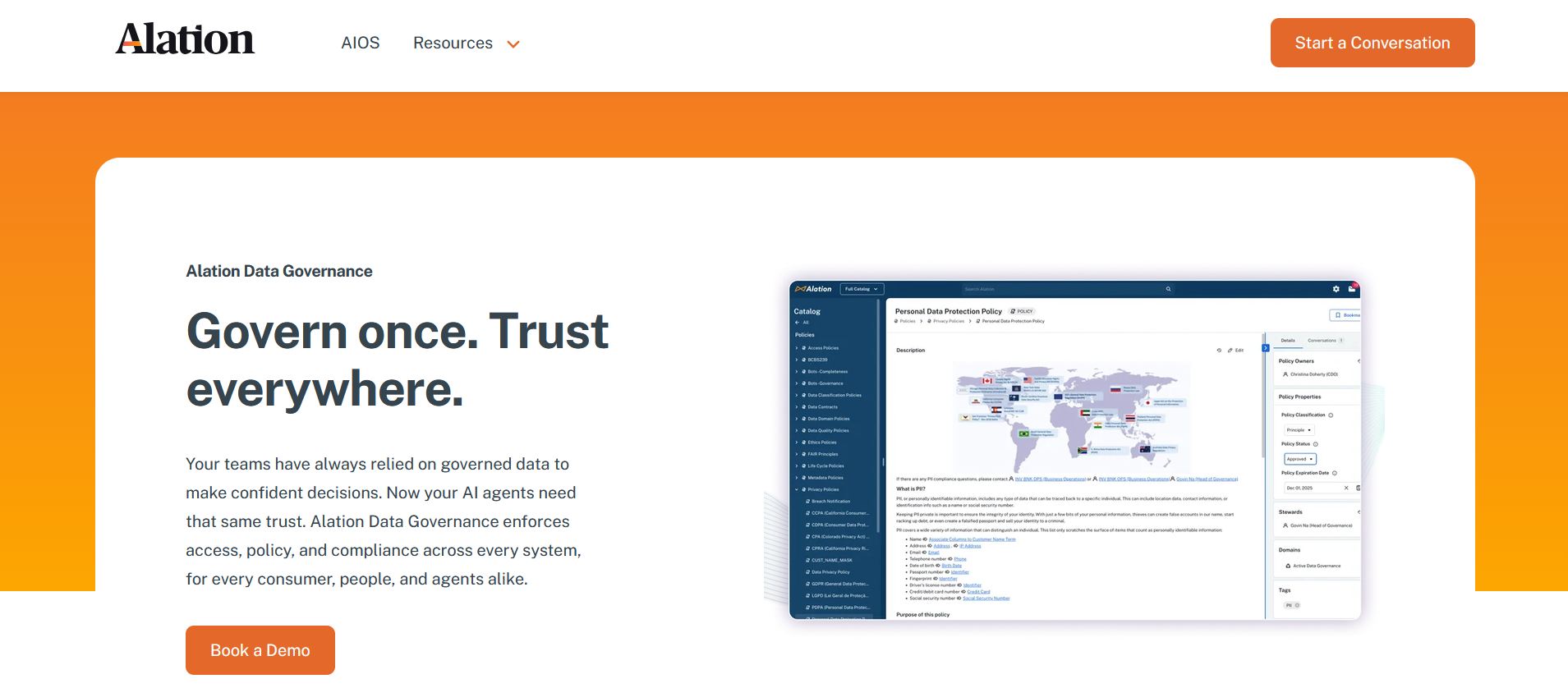
Alation focuses on helping organizations understand and manage their data through an intelligent data catalog. The platform captures both technical metadata and business knowledge, creating a more complete view of enterprise data assets.
Its governance capabilities improve visibility into data ownership, usage, structure, and quality while encouraging collaboration among business and technical stakeholders.
6. Talend Data Governance
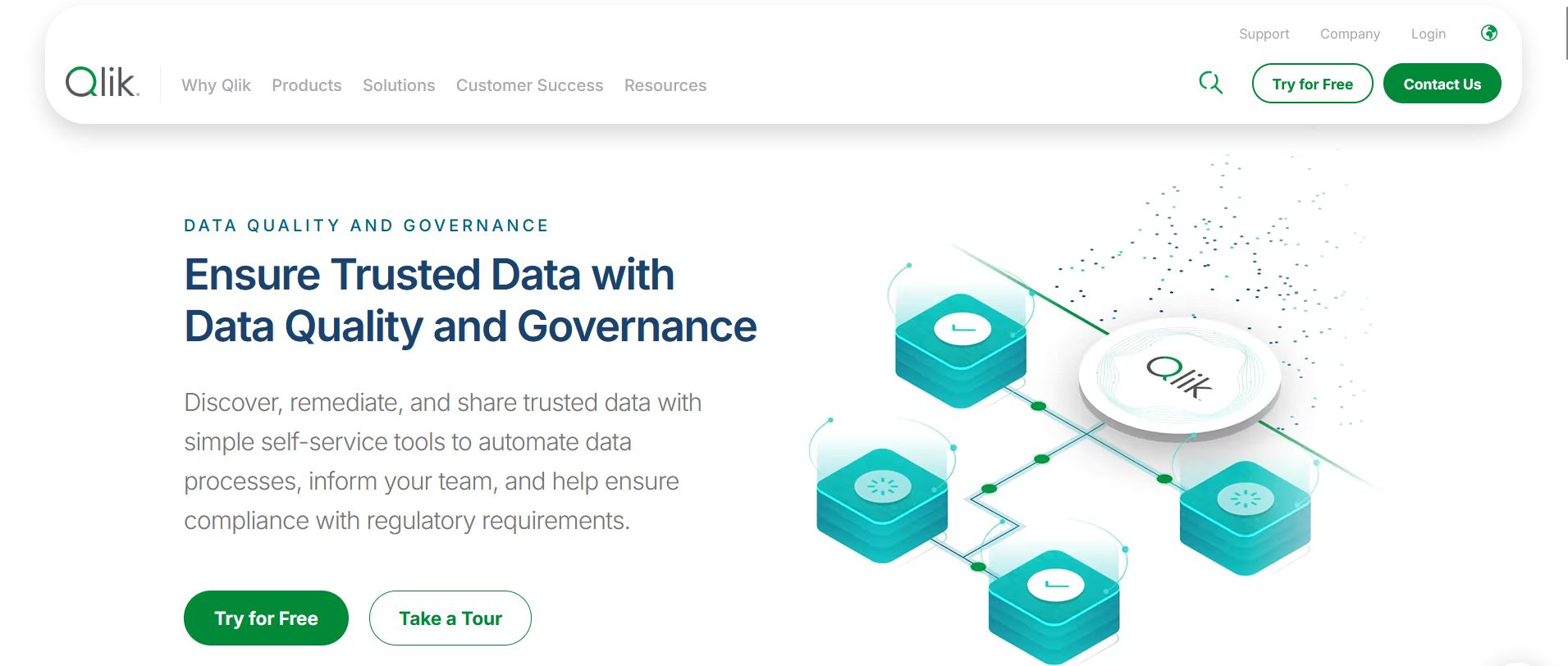
Talend offers a cloud-based platform that combines data governance with data quality management and self-service access. Its strong integration capabilities allow organizations to bring together data from multiple sources and create a trusted view of information across the enterprise.
The platform helps automate critical data processes, including extraction, cleansing, transformation, and loading, improving both efficiency and consistency.
7. OneTrust Data Governance
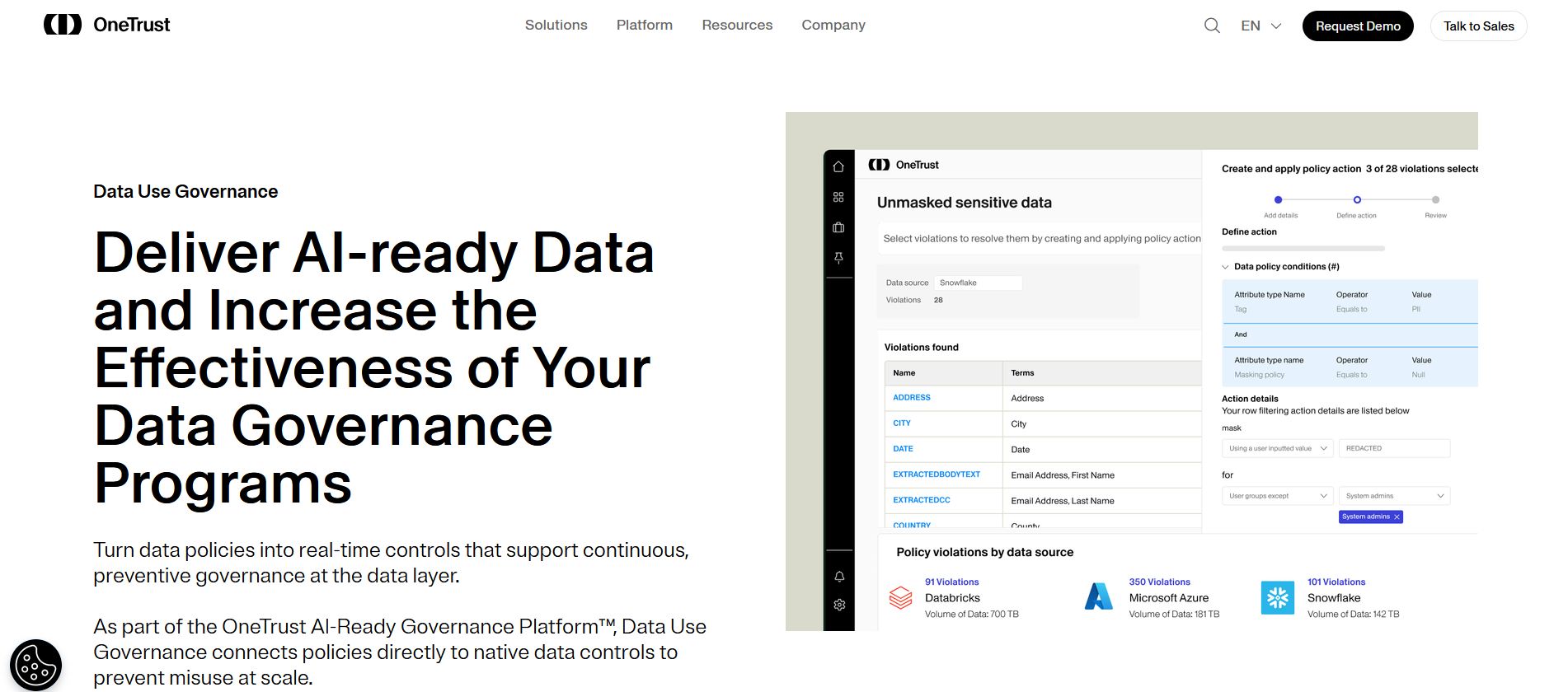
OneTrust provides organizations with a centralized platform for handling privacy, compliance, and governance activities. Businesses use it to manage customer consent records, track vendor data practices, and align internal policies with regulatory requirements.
The platform combines privacy management, risk monitoring, AI oversight, and consent tracking into a single solution. It also integrates with existing business applications, helping keep data preferences and compliance settings synchronized across systems.
Conclusion
Strong data governance is no longer optional for modern enterprises. As regulatory requirements and data volumes continue to increase, organizations need reliable tools to maintain data quality, security, accessibility, and compliance.
By selecting the right platform and implementing sound governance practices, organizations can build greater trust in their data, improve decision-making, and support long-term business growth.