

In marketing, landing pages are more than just simplified websites. They are single-page websites designed with a clear goal whether that’s promoting a product, collecting leads, or encouraging sign-ups. Think of them as interactive digital flyers or online business cards. Unlike full websites, landing pages can be built quickly and optimized easily, especially with the right tools.
Below are nine of the most effective landing page builders available today:
- Unbounce
- Leadpages
- Instapage
- ClickFunnels
- Landingi
- HubSpot Landing Page Builder
- ActiveCampaign
- Wix Landing Page Builder
- Elementor
1. Unbounce
Unbounce is a leading landing page builder focused on conversion rate optimization (CRO). Its drag-and-drop editor and extensive template library make it easy to design custom pages without any coding. With over 1,000 integrations, Unbounce connects seamlessly with marketing stacks, ensuring smooth data flow across platforms.
2. Leadpages
Leadpages is designed for marketers who want speed and simplicity. It offers customizable templates and a drag-and-drop builder, helping businesses turn traffic into leads and sales. With integrations into CRM systems like Salesforce and email platforms such as Mailchimp, Leadpages is a strong choice for managing campaigns end-to-end.
3. Instapage
Instapage is known for its Advertising Conversion Cloud, enabling personalized post-click experiences at scale. With over two million landing pages created and an average conversion rate of 16%, Instapage is trusted globally.
It provides hundreds of templates and advanced optimization features, making it ideal for advertisers seeking high performance.

4. ClickFunnels
ClickFunnels is more than a landing page builder – it’s a full funnel creation tool. It guides visitors step by step toward conversions, whether that’s a purchase, sign-up, or booking. With built-in email automation and analytics, ClickFunnels simplifies funnel building and offers extensive training resources for beginners.
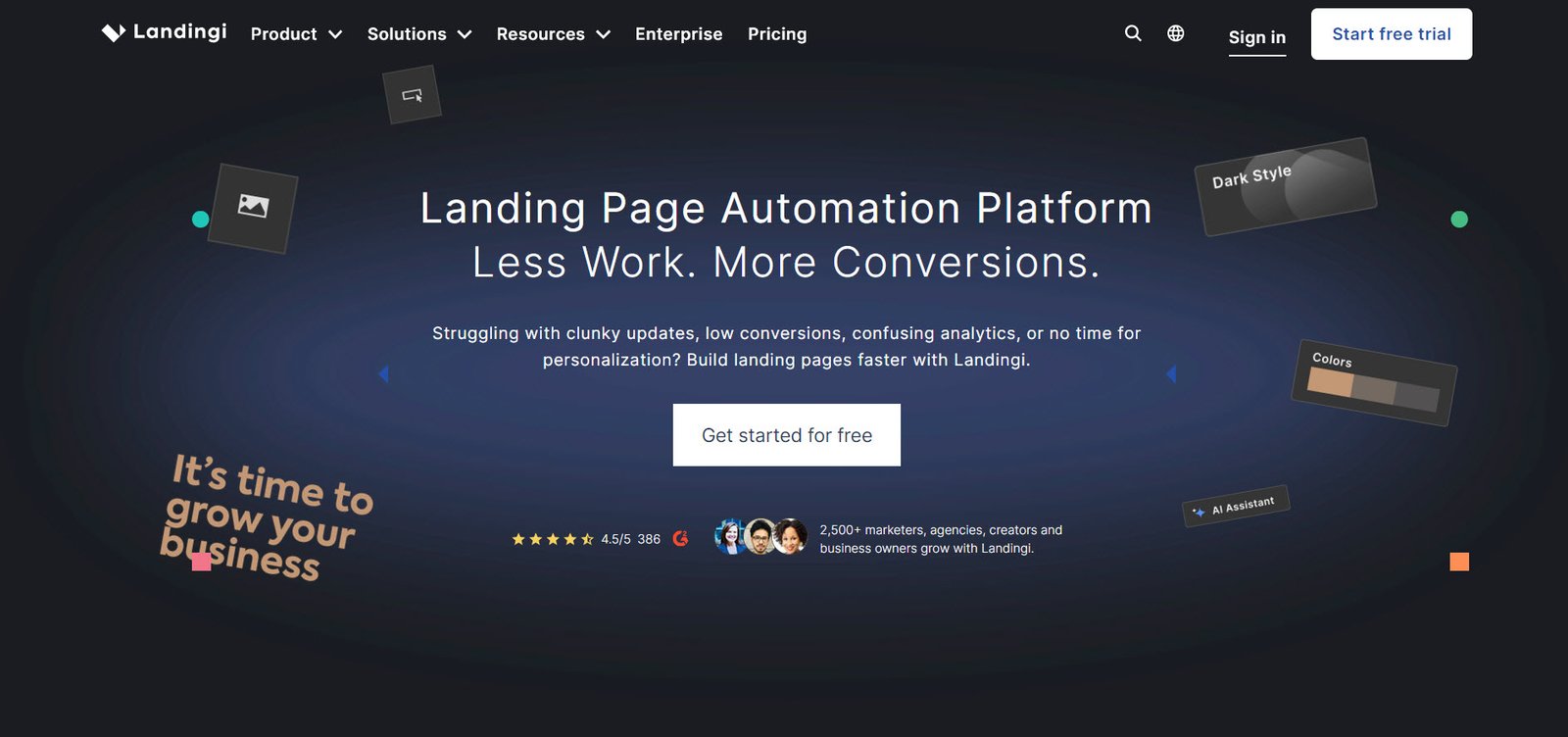
5. Landingi
Landingi offers a versatile platform for creating landing pages, microsites, pop-ups, and funnels. Its drag-and-drop interface is beginner-friendly, and pages can be published directly, downloaded as PHP files, or integrated with WordPress. Its wide integration options make it a central hub for marketing campaigns.
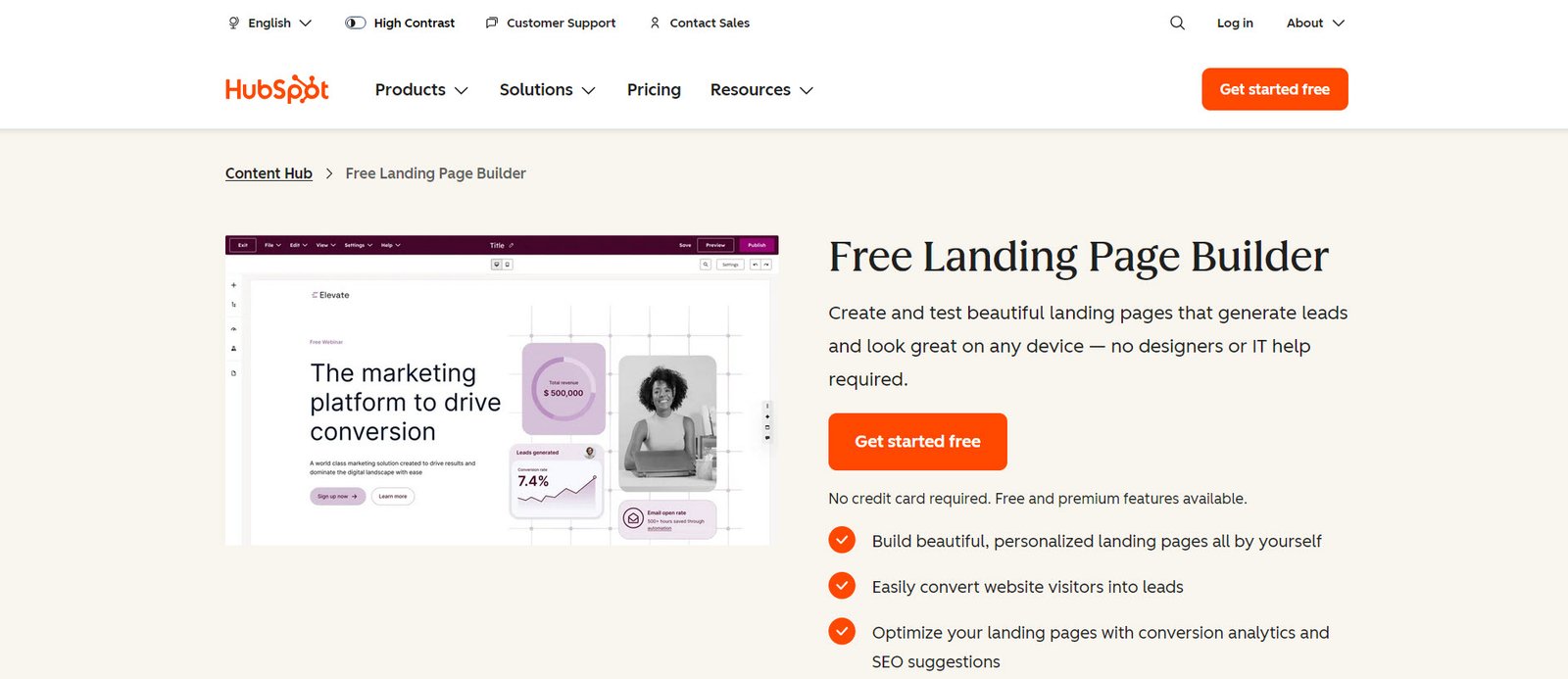
6. HubSpot Landing Page Builder
HubSpot’s landing page builder is part of its all-in-one Marketing Hub. Unlike standalone tools, it integrates directly with its CRM, email marketing, and analytics. Every form submission is automatically tracked, giving marketers valuable insights. Built-in SEO fields and optimization suggestions make it a smart choice for inbound marketing.
7. ActiveCampaign
ActiveCampaign focuses on customer experience automation. While best known for email marketing, it also supports landing page creation tied to automated workflows. Businesses can segment contacts, send personalized follow-ups, and track leads through its integrated CRM. It’s especially powerful for nurturing prospects and improving engagement.
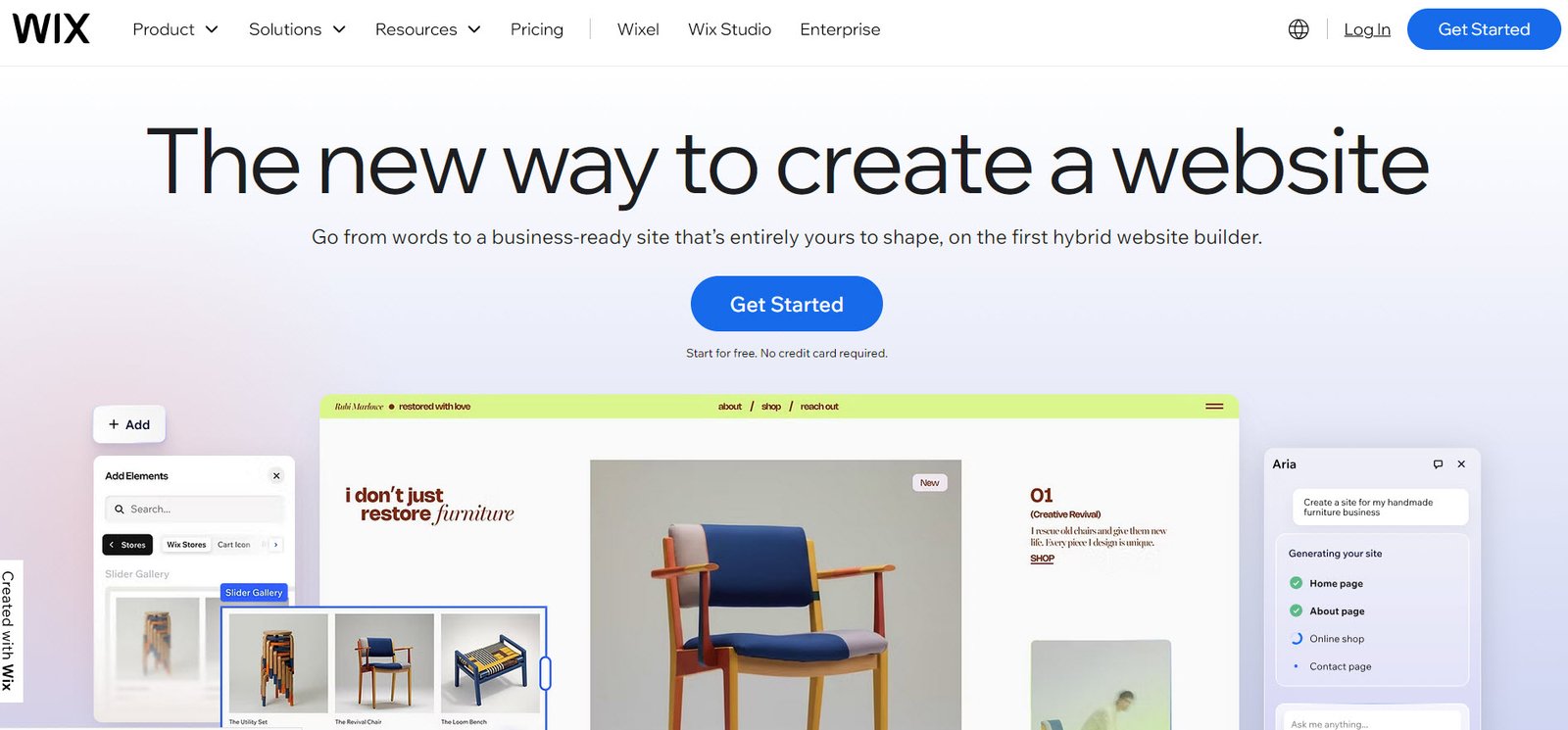
8. Wix Landing Page Builder
Wix offers a landing page builder within its website platform. Pages are distraction-free, designed to keep visitors focused on a single call-to-action. Wix’s drag-and-drop editor allows pixel-perfect design freedom, making it popular among creatives. Combined with hosting, CRM, and e-commerce tools, Wix provides an all-in-one ecosystem.
9. Elementor
Elementor is a WordPress plugin that empowers users to build responsive, high-converting landing pages without coding. It integrates with analytics and optimization tools like Google Analytics and Hotjar, enabling data-driven design.
Elementor is especially appealing to WordPress users who want flexibility and control.

Conclusion
Landing page builders have transformed digital marketing. Instead of relying on designers for every campaign, businesses can now launch pages quickly, test offers, and optimize results.
The key is choosing a builder that aligns with your goals whether that’s e-commerce, coaching, SaaS, or lead generation.
Start simple: pick a tool, launch a campaign, track performance, and refine. That’s how you discover what truly converts.