
Choosing the right Enterprise Resource Planning (ERP) system is one of the most important technology decisions any organization can make. In 2026, businesses are no longer just looking for basic functionality they need ERP platforms that offer rapid deployment, flexibility, scalability, and real-time visibility into operations.
Modern ERP solutions are expected to adapt to changing business needs without forcing companies into rigid processes or long, complex implementations.
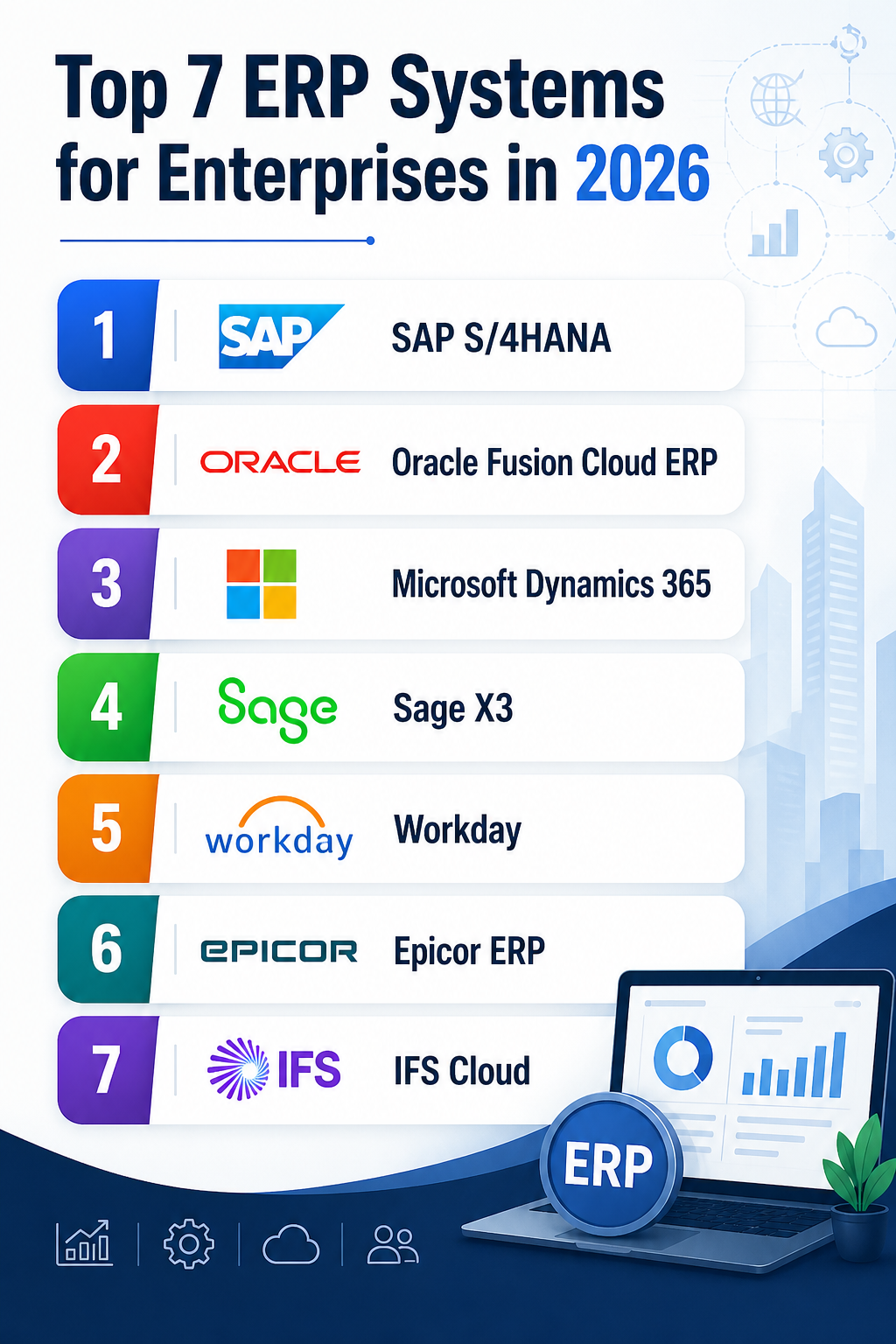
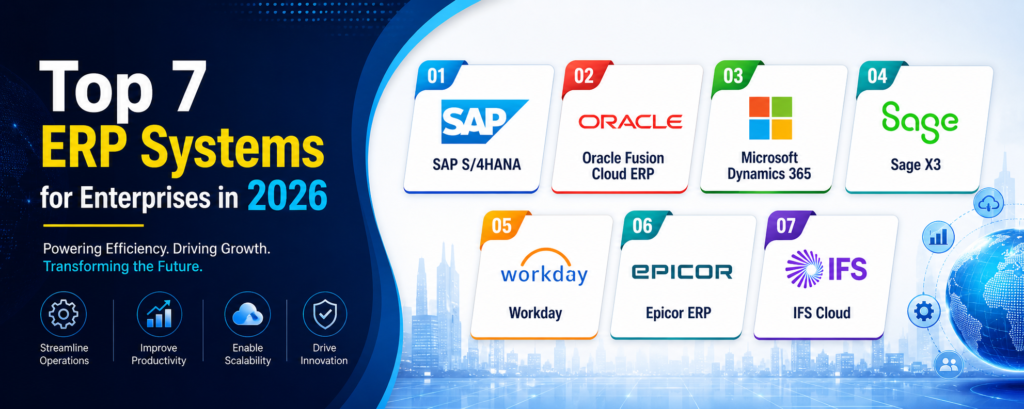
Here are the top 7 ERP systems for enterprises in 2026:
- SAP S/4HANA
- Oracle Fusion Cloud ERP
- Microsoft Dynamics 365
- Sage X3
- Workday
- Epicor ERP
- IFS Cloud
1. SAP S/4HANA
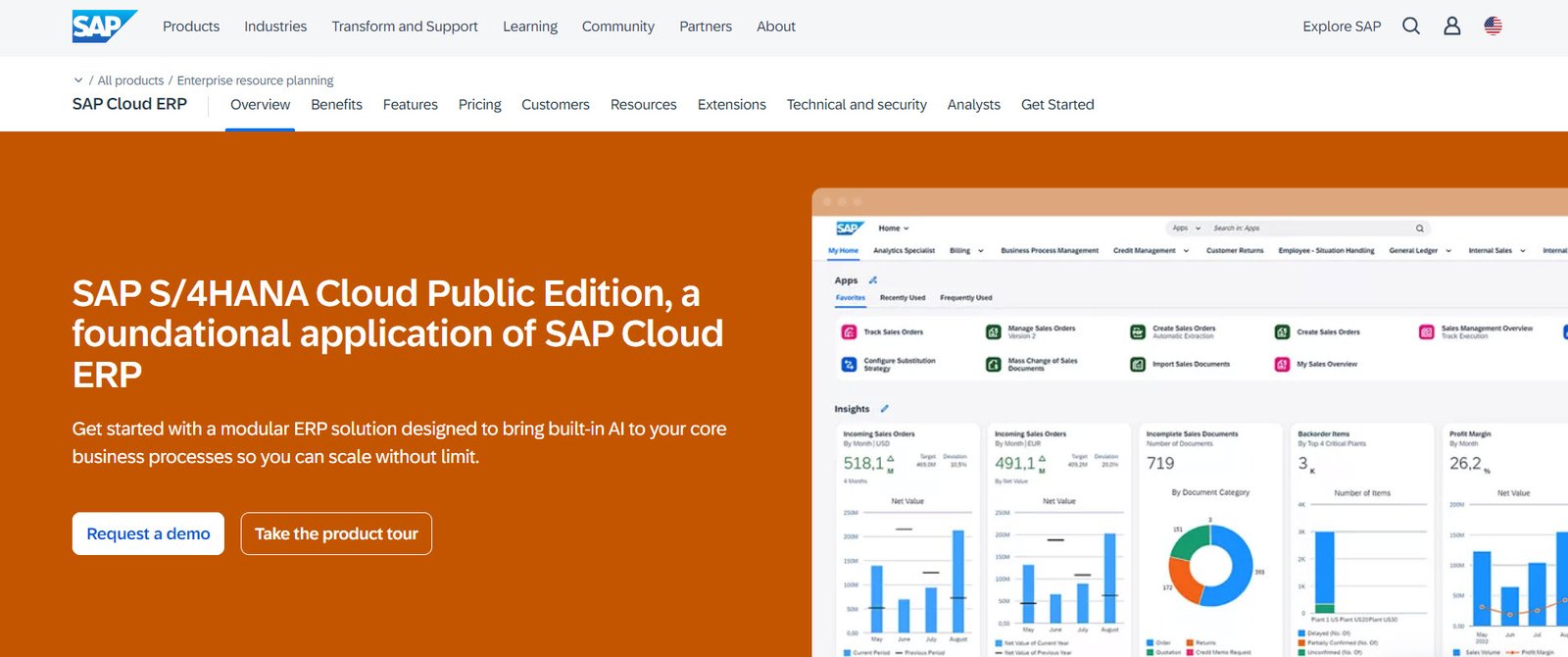
SAP S/4HANA is built on the powerful SAP HANA in-memory database (High-Performance Analytic Appliance), enabling real-time data processing and analytics.
It allows organizations to handle large volumes of data efficiently while combining transactional and analytical workloads in a single system. From financial accounting and procurement to production planning and quality management, SAP S/4HANA provides deep insights and operational control across the enterprise.
2. Oracle Fusion Cloud ERP
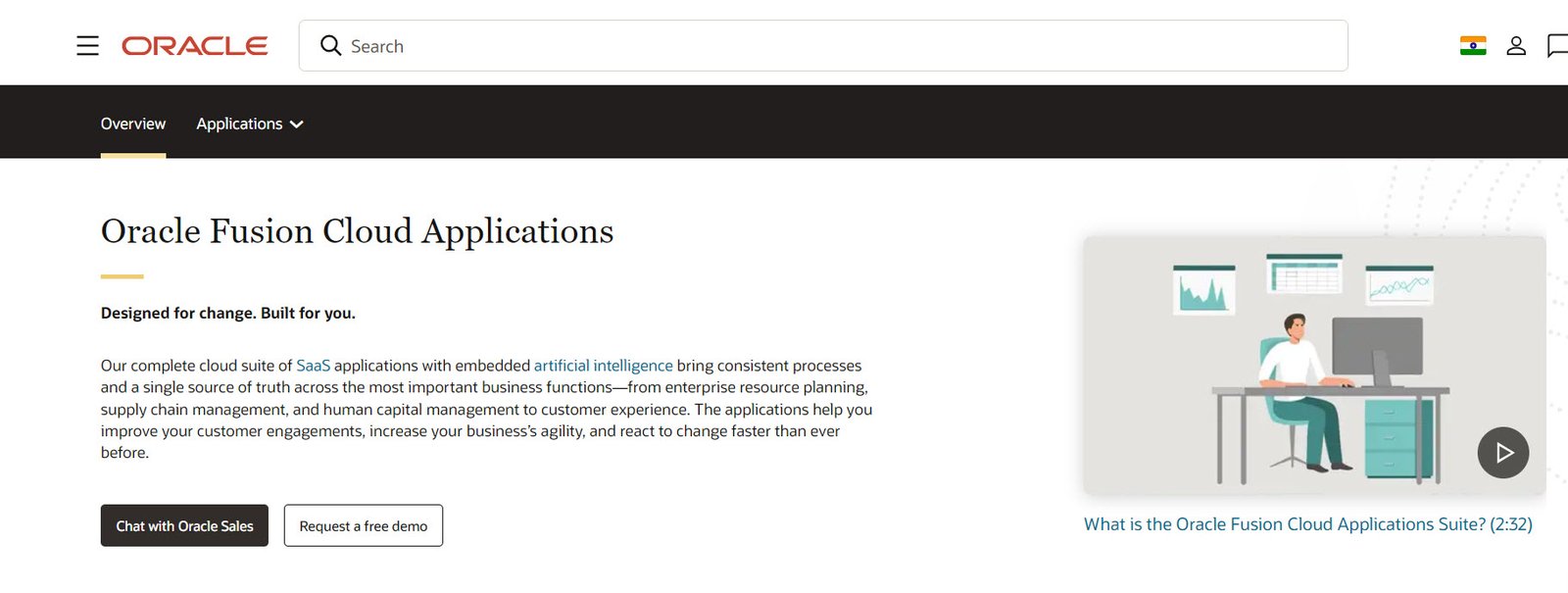
Oracle Fusion Cloud ERP is one of the most popular comprehensive cloud-based ERP solution designed for modern enterprises.
It brings together key business functions such as finance, procurement, project management, supply chain, and performance management into one unified platform. Built for mid-sized to large global organizations, it is especially effective for managing complex, multi-entity operations with ease and scalability.
3. Microsoft Dynamics 365
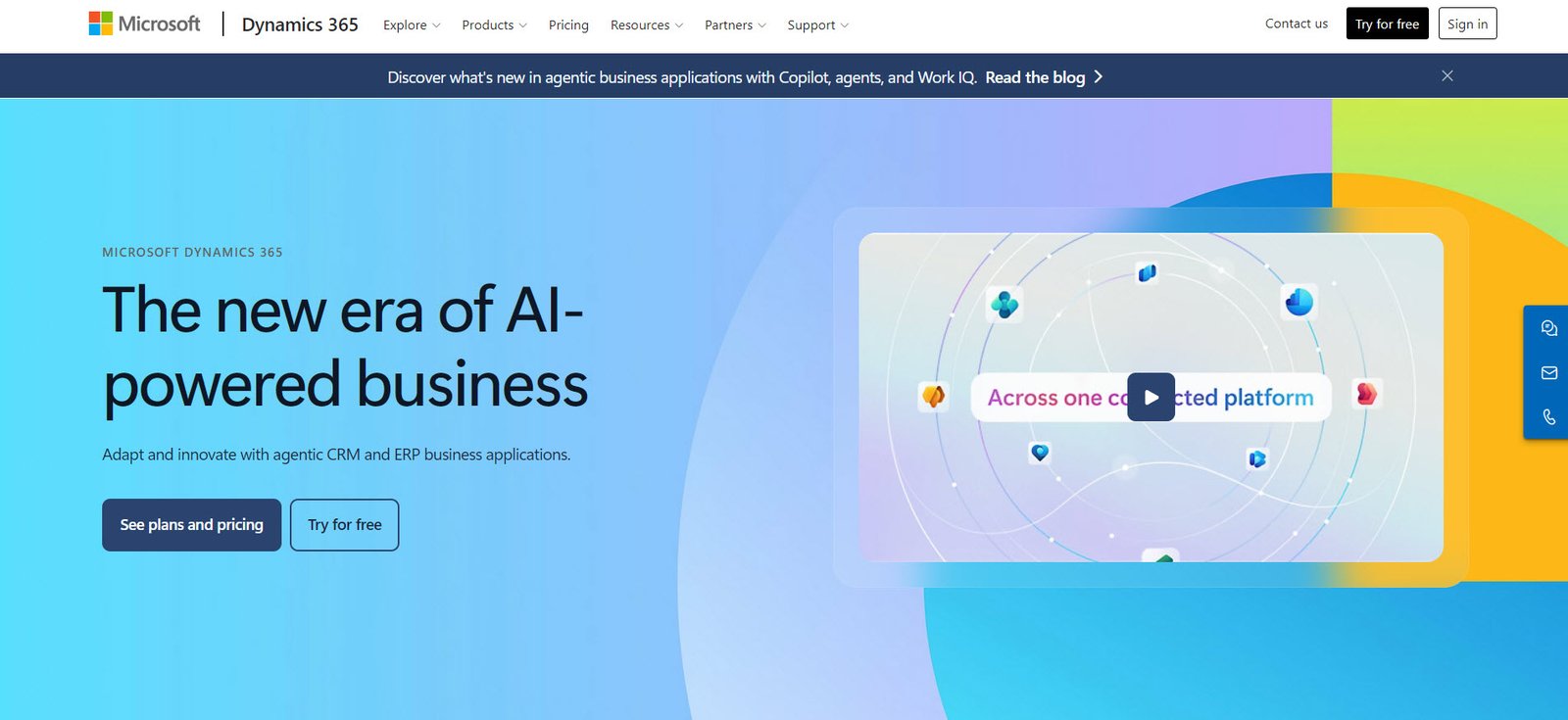
Microsoft Dynamics 365 combines ERP and CRM capabilities into a single cloud-based platform.
It integrates seamlessly with tools like Power BI for advanced analytics and works well with other Microsoft products such as Office 365 and Outlook. While Human Capital Management (HCM) is handled through separate modules like Dynamics 365 Human Resources, the platform remains highly flexible.
As a SaaS solution, it ensures automatic updates, easy accessibility via web browsers, and smooth integration with third-party applications—making it a strong choice for organizations already using Microsoft ecosystems.
4. Sage X3
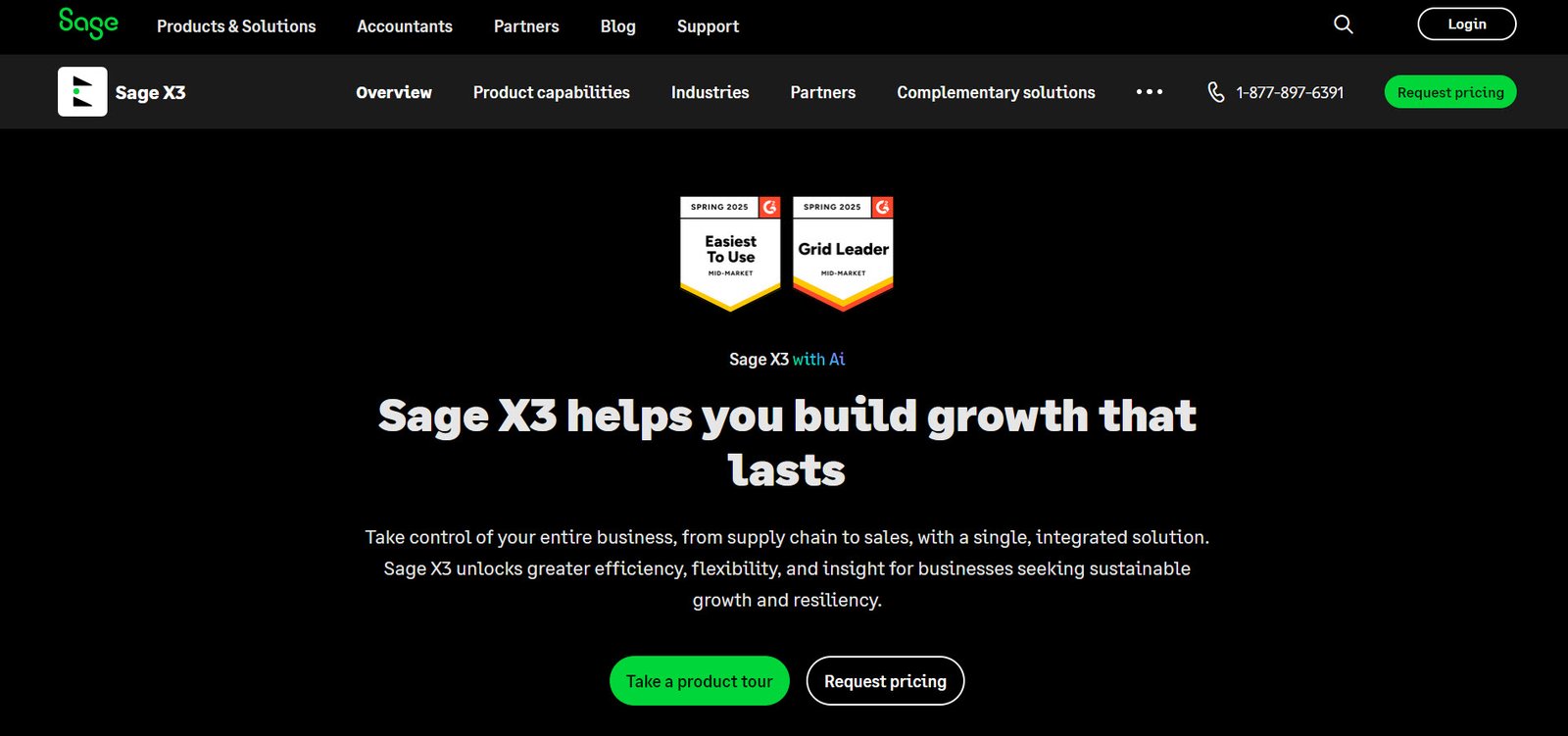
Sage X3 is a robust ERP solution widely used across industries to manage core business operations efficiently.
Known for its flexibility and speed, Sage X3 offers a more intuitive experience compared to traditional ERP systems. It is particularly well-suited for mid-sized to large enterprises looking for a cost-effective yet powerful solution.
With multiple cloud deployment options available, businesses can choose a setup that aligns best with their operational needs.
5. Workday
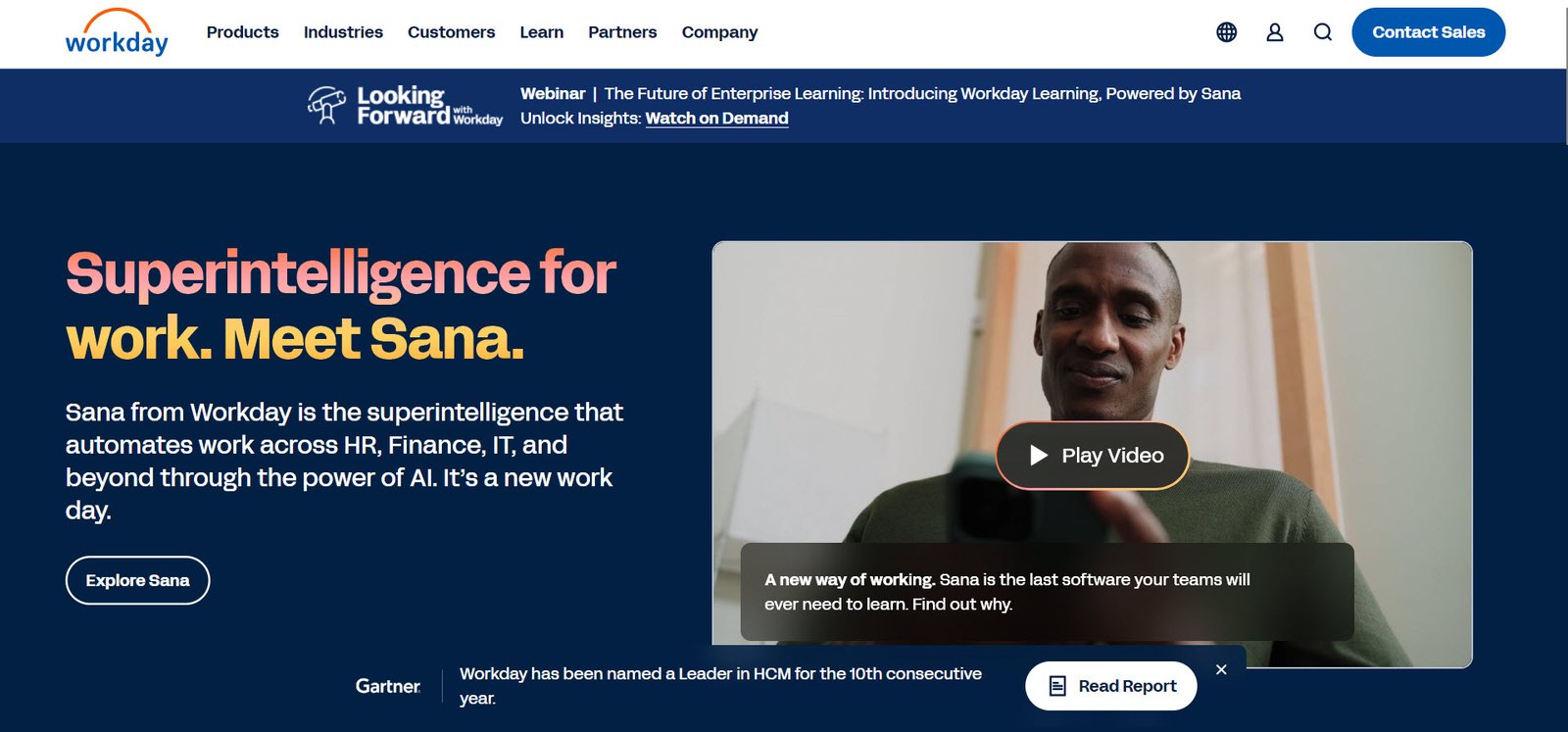
Workday is a leading cloud-based platform focused on Human Capital Management (HCM) and Financial Management.
It provides tools for HR, payroll, talent management, accounting, and financial planning through a SaaS model. Workday stands out for its clean user interface, faster deployment cycles, and continuous updates, making it ideal for organizations aiming to simplify complex workforce and financial processes.
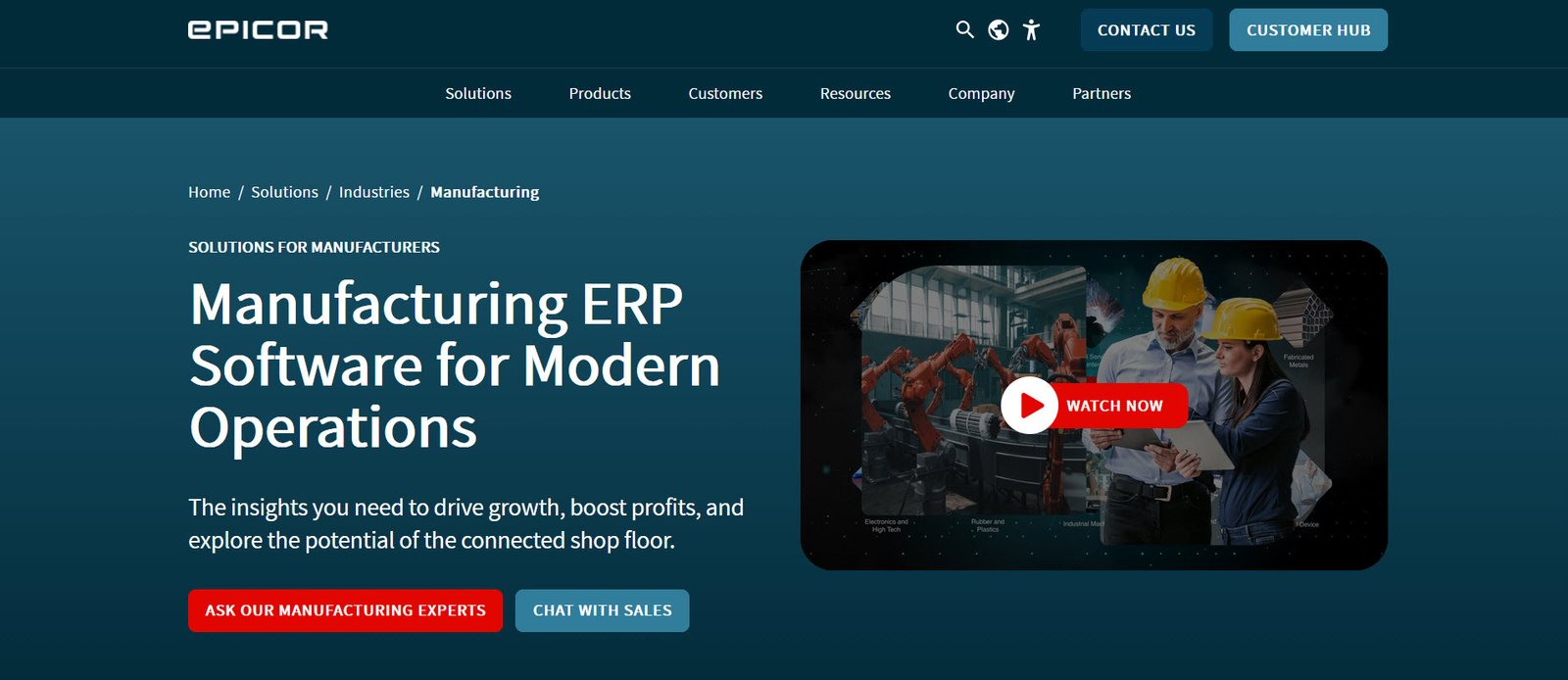
6. Epicor ERP
Epicor ERP is designed to support industries such as manufacturing, distribution, retail, and services.
Developed by Epicor Software Corporation, it offers a comprehensive set of features to optimize core business functions. The platform is known for its strong integration capabilities and ability to automate workflows, helping organizations improve efficiency and reduce manual effort.
7. IFS Cloud
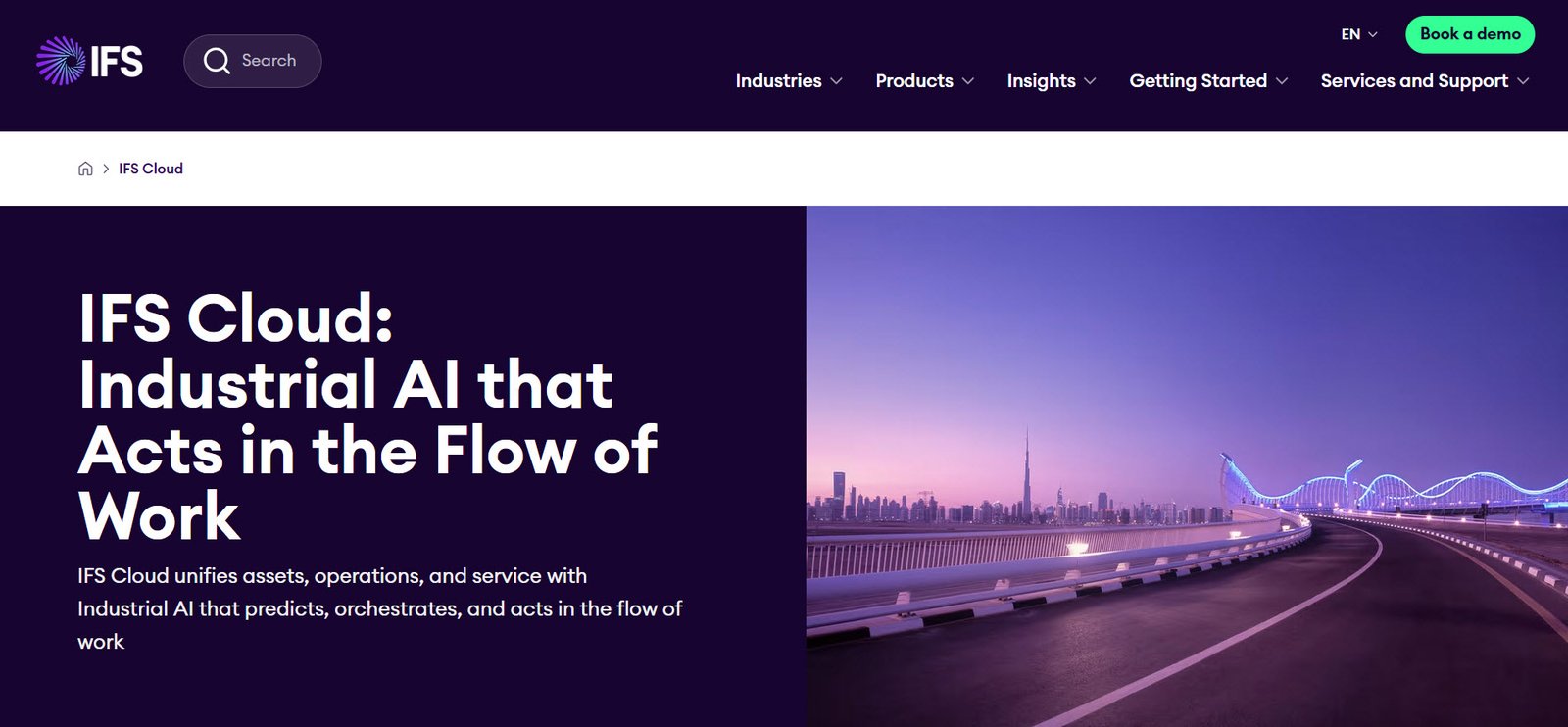
IFS Cloud is a flexible and scalable ERP platform tailored for industries like manufacturing, construction, energy, utilities, and services.
It combines ERP, Enterprise Asset Management (EAM), and Service Management capabilities into a single solution. Businesses can select only the modules they need, making it highly adaptable while improving asset performance, reducing risk, and increasing operational efficiency.
Conclusion
There are many ERP solutions available today, each with its own strengths and specializations. The right choice depends on your organization’s size, industry, and operational complexity.
However, one thing is clear that ERP systems alone are no longer enough. To truly maximize value, organizations should combine ERP platforms with automation and intelligent workflows to drive efficiency, reduce costs, and stay competitive in a rapidly evolving business landscape.