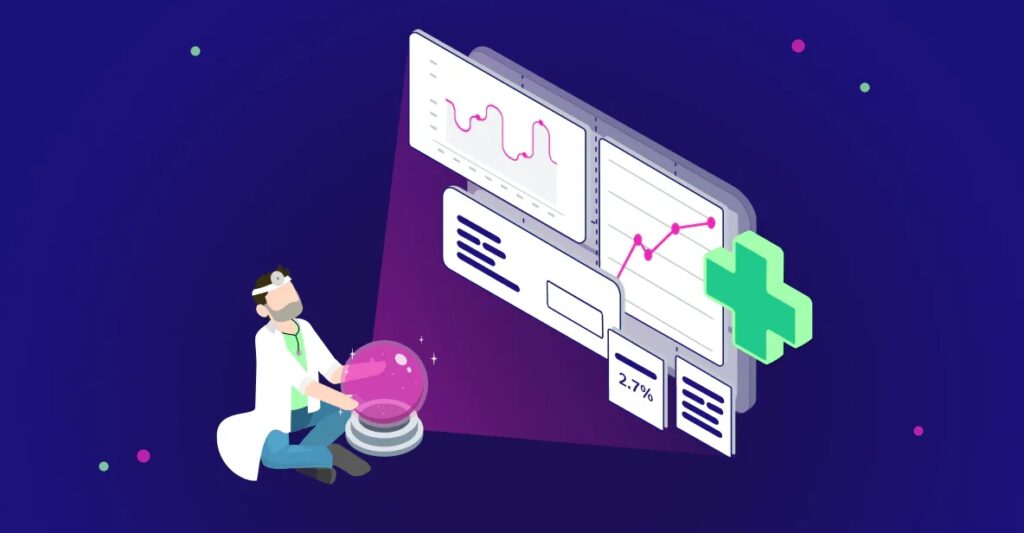

In today’s data-driven business environment, organizations generate massive amounts of information every day. While historical data helps explain what has happened, predictive analytics tools go a step further by helping businesses anticipate future outcomes.
From forecasting sales trends and reducing customer churn to identifying potential risks and fraud, these platforms enable teams to make more informed decisions with greater confidence.
- IBM SPSS Statistics
- SAS Advanced Analytics
- RapidMiner
- Microsoft Azure Machine Learning
- Google Cloud Vertex AI
- Alteryx
- Tableau (with Predictive Capabilities)
1. IBM SPSS Statistics
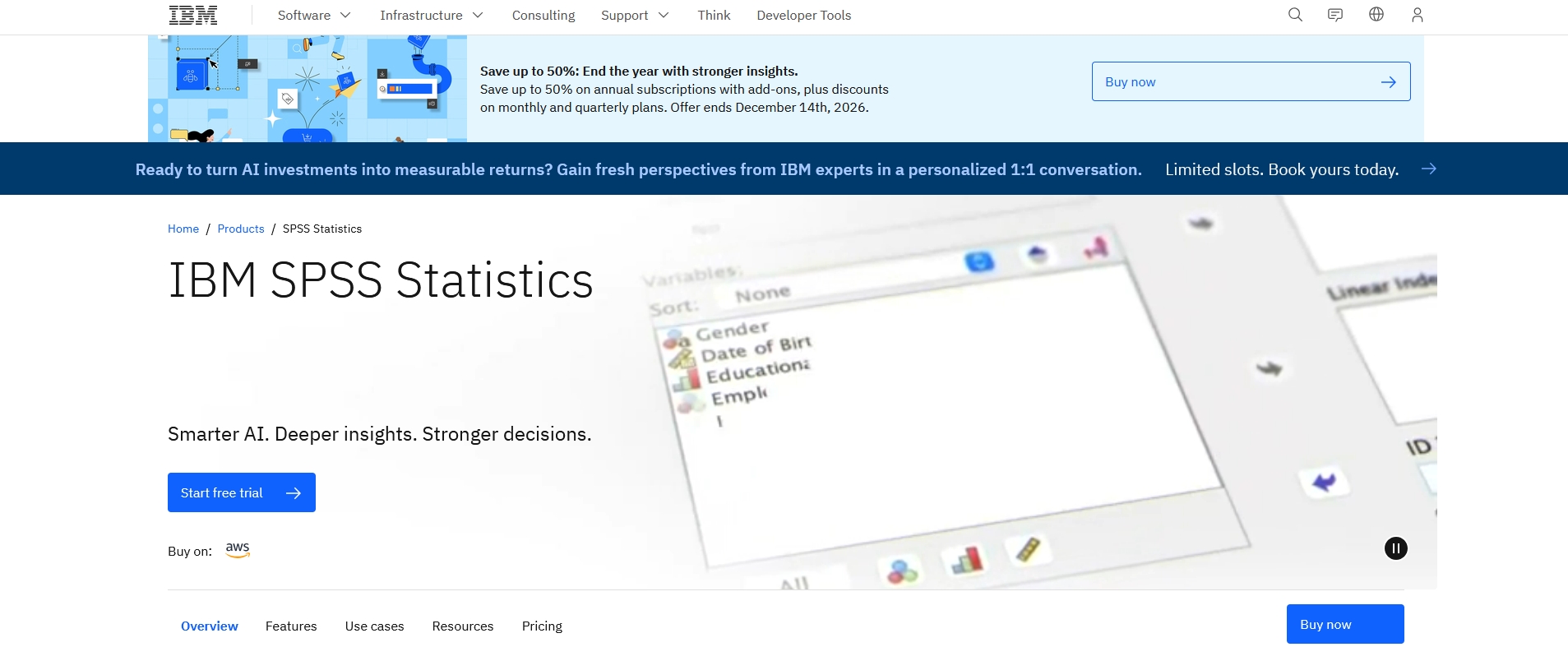
IBM SPSS Statistics is a widely used statistical analysis platform designed to help organizations uncover insights from complex data and support data-driven decision-making.
IBM SPSS Statistics allows businesses to analyze large datasets efficiently and identify patterns that may otherwise go unnoticed. Its broad range of statistical tools makes it suitable for organizations looking to strengthen decision-making through data.
2. SAS Advanced Analytics
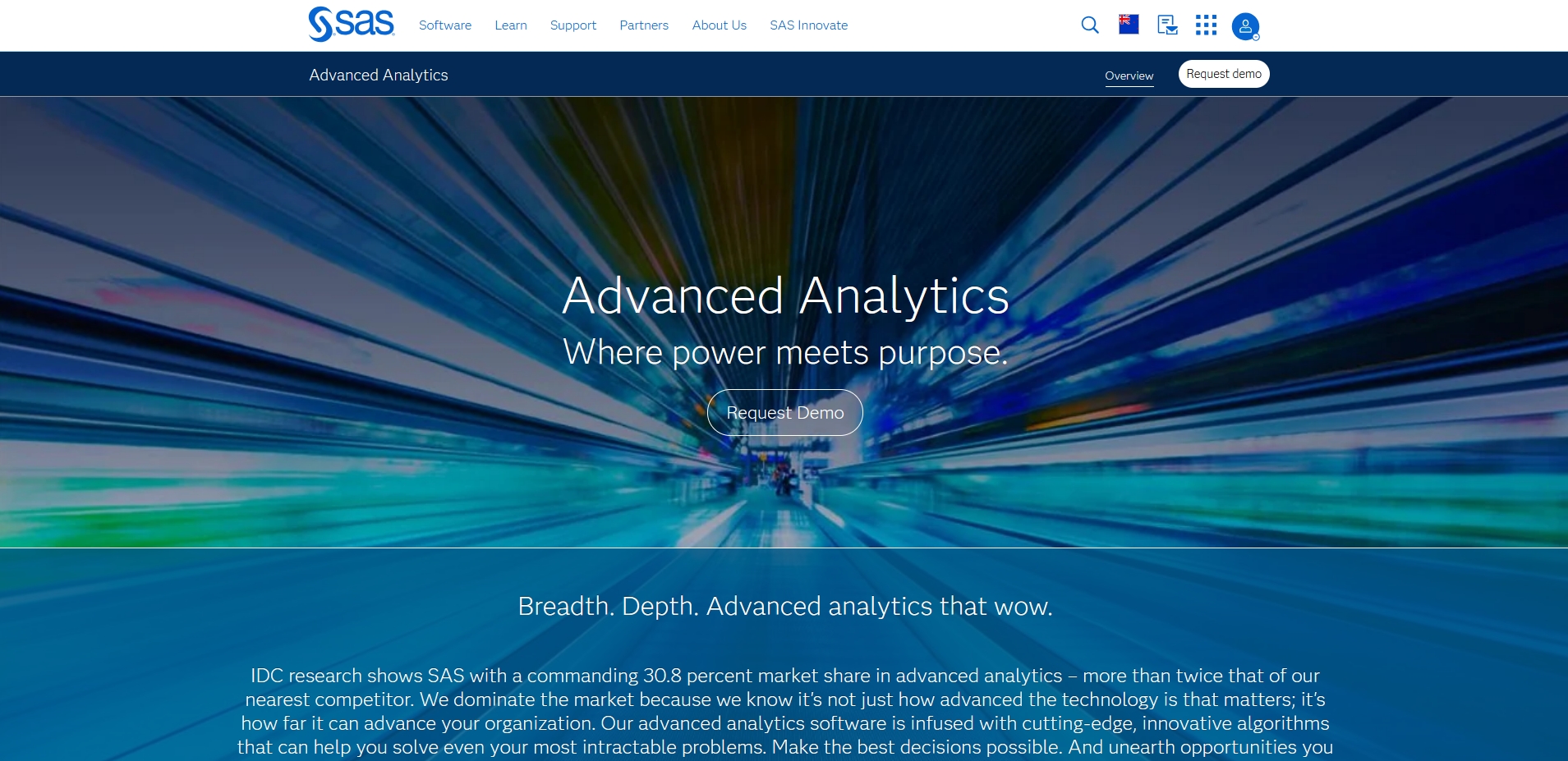
SAS Advanced Analytics is a comprehensive analytics and AI platform that helps organizations collect, manage, analyze, and model data from multiple sources.
SAS combines ease of use for non-technical users with powerful analytical capabilities for data professionals. Its ability to monitor and analyze complex datasets makes it a valuable solution for organizations that rely heavily on predictive insights.
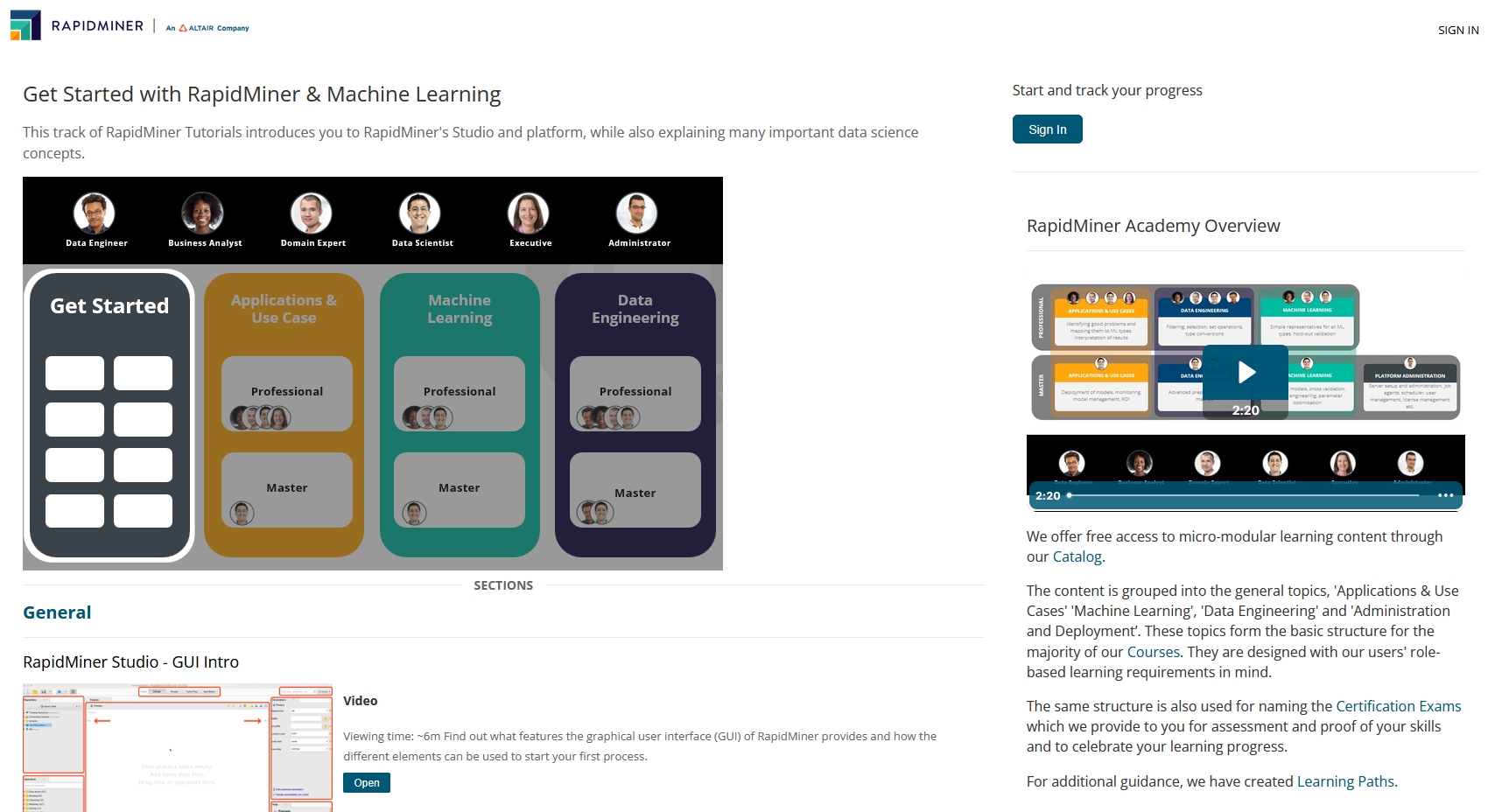
3. RapidMiner
RapidMiner is a predictive analytics and machine learning platform designed to make data science more accessible through a visual, code-friendly environment.
RapidMiner helps users build predictive models without requiring extensive coding expertise. Its visual workflow approach simplifies analytics projects while still offering enough flexibility for experienced analysts and data scientists.
4. Microsoft Azure Machine Learning
Microsoft Azure Machine Learning is a cloud-based platform that supports the complete machine learning lifecycle, from data preparation and model training to deployment and monitoring.
Azure Machine Learning provides a scalable environment for developing and managing machine learning solutions. Its flexible approach makes it suitable for both experienced data scientists and business users seeking low-code options.
5. Google Cloud Vertex AI
Google Cloud Vertex AI is a unified platform for building, deploying, and managing machine learning and AI applications at scale.
Vertex AI simplifies the process of developing and scaling AI solutions by bringing model development, deployment, and management into a single platform. It is particularly useful for organizations looking to streamline AI operations.
6. Alteryx
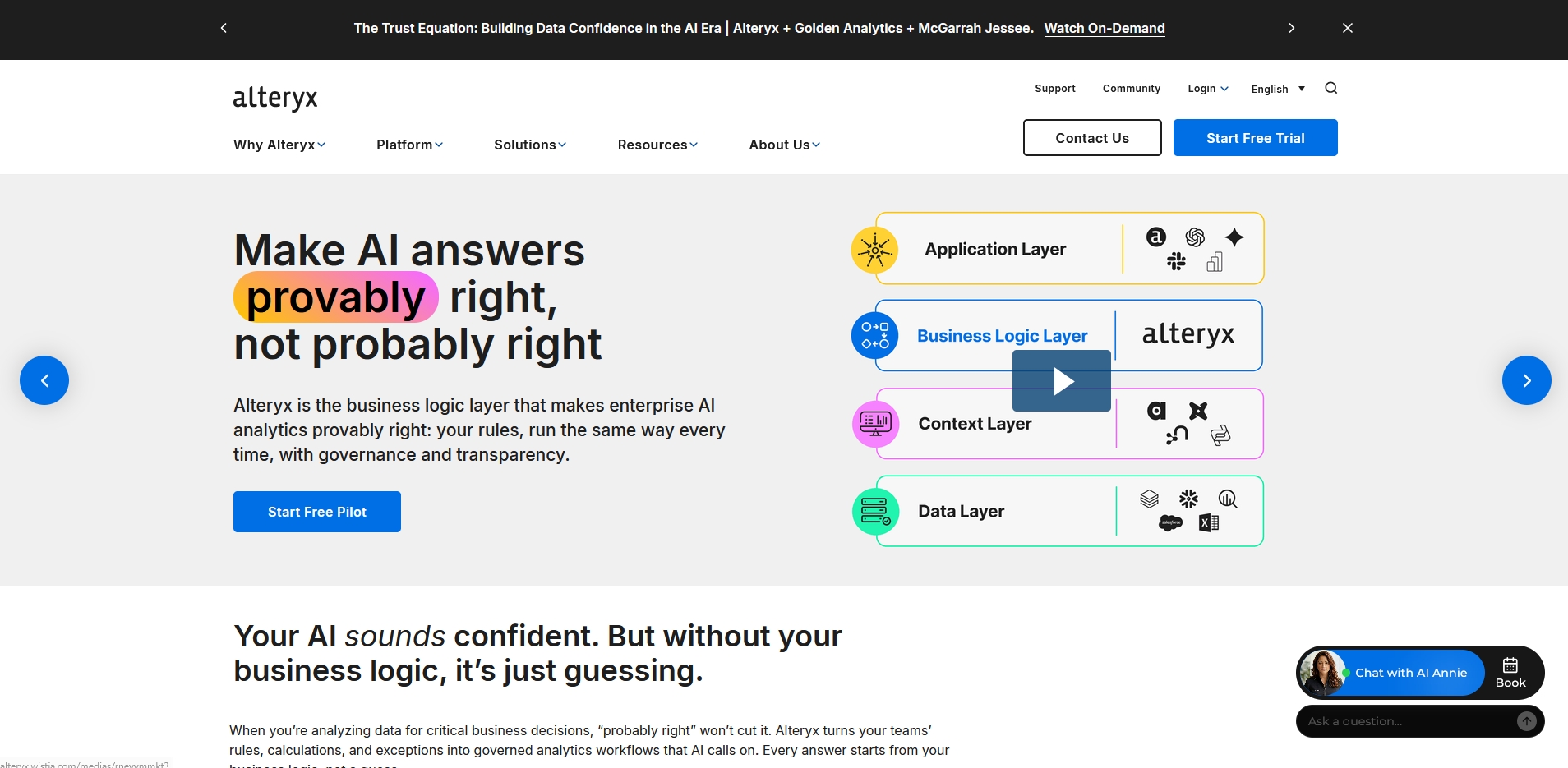
Alteryx is an analytics automation platform that helps users prepare, blend, and analyze data without extensive coding requirements.
Alteryx is known for its user-friendly design and ability to connect data from multiple sources. By simplifying complex data workflows, it enables teams to spend less time on preparation and more time generating insights.
7. Tableau (with Predictive Capabilities)
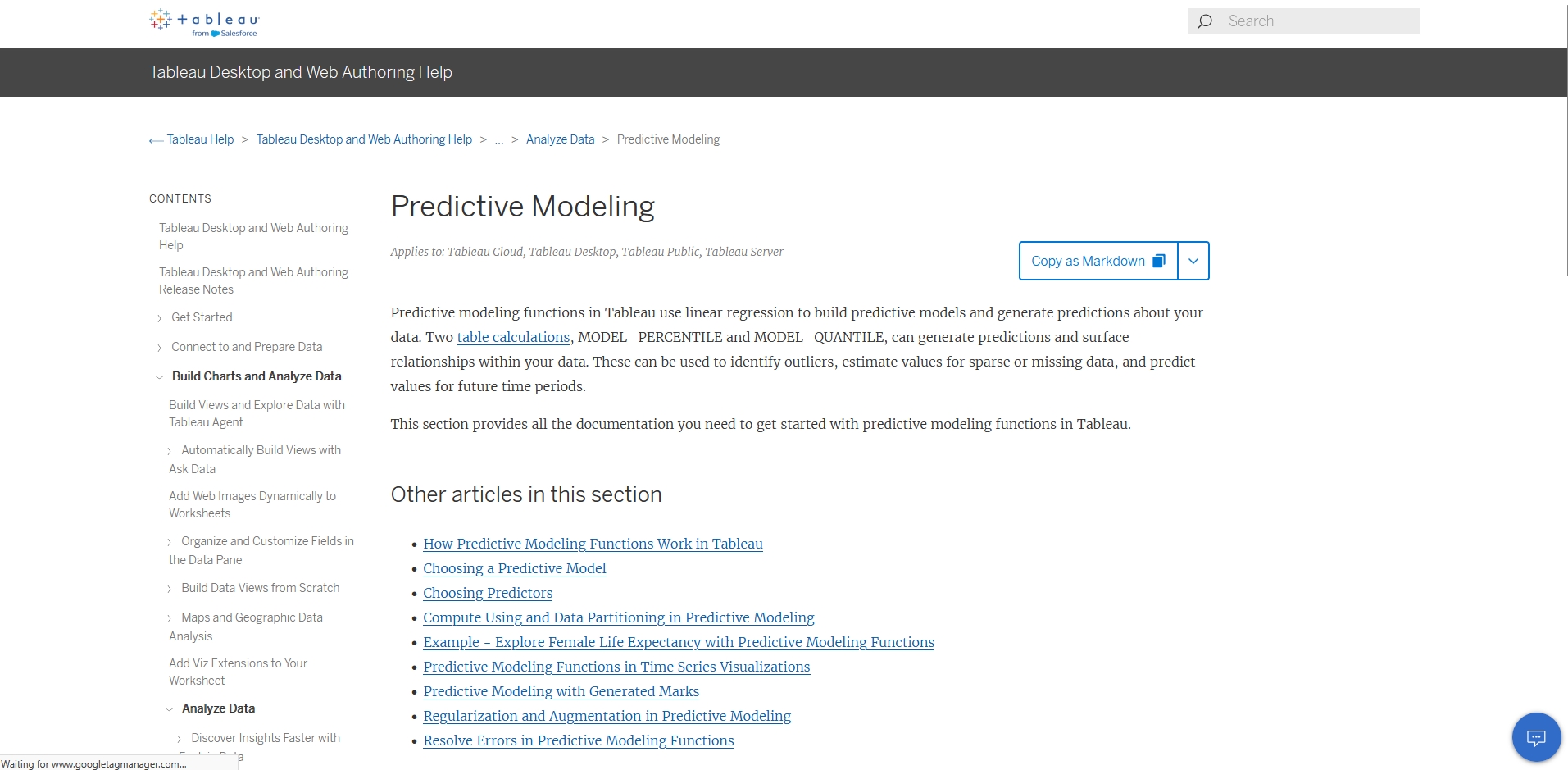
Tableau is a leading business intelligence and data visualization platform that helps organizations explore and understand data through interactive dashboards and visual reports.
Tableau makes complex datasets easier to understand through intuitive visualizations. By combining analytics with interactive reporting, it helps decision-makers identify trends and communicate insights more effectively.
Conclusion
Predictive analytics tools play a crucial role in helping organizations move beyond historical reporting and make forward-looking decisions.
When evaluating predictive analytics software, look for solutions that make data exploration straightforward, support collaboration across teams, and integrate with the tools your organization already uses. The best platforms not only generate insights but also help teams turn those insights into meaningful business outcomes.